

Graphic Design for Branding: Building Identity Through Visual Communication

Graphic design is a fundamental part of branding that shapes how audiences perceive and remember a company. In a world saturated with visual information, businesses rely on strong design systems to stand out and communicate clearly. Branding is not limited to a logo or slogan; it is the full visual and emotional experience a customer has with a company. Through carefully crafted design elements such as color, typography, and imagery, brands can express values, tone, and personality in a way that words alone cannot fully achieve.
Understanding Branding Through Graphic Design
At its core, branding is about creating a consistent identity that builds trust and recognition over time. Graphic design acts as the visual translator of this identity, turning abstract ideas into tangible visuals. Every design decision—whether it involves spacing, layout, or illustration—contributes to how a brand is interpreted. Consistency is especially important, as repeated visual patterns help audiences instantly associate certain styles with specific companies. When executed well, graphic design ensures that a brand feels unified across all platforms and communication channels.
Logo Design, Color, and Emotional Impact
A logo is often the most recognizable element of a brand, serving as its visual signature. However, it is only one part of a broader design system that includes color psychology and emotional storytelling. Colors are powerful tools in branding because they evoke specific feelings and associations. For example, blue can communicate reliability and professionalism, while red often suggests energy and urgency. Combined with a well-designed logo, these elements help create a strong emotional connection between a brand and its audience, reinforcing recognition and loyalty over time.
Typography and Visual Hierarchy in Branding
Typography plays a crucial role in shaping how a message is perceived. The choice of font influences whether a brand appears modern, traditional, playful, or serious. A consistent typographic system helps maintain clarity across advertisements, websites, and printed materials. Visual hierarchy—how information is arranged and prioritized—guides the viewer’s attention and improves readability. When typography is used effectively, it not only supports communication but also enhances the overall aesthetic identity of a brand, making it more memorable and visually appealing.
Tools and the Role of Designers in Branding
Modern branding relies heavily on digital tools that allow designers to create precise and scalable visuals. Software like Adobe Illustrator enables professionals to develop detailed vector-based graphics, while platforms like Canva make design more accessible to beginners and small businesses. A skilled graphic designer understands how to balance creativity with strategy, ensuring that every visual element aligns with the brand’s message and goals. These designers play a key role in shaping how a brand is perceived across digital and physical environments.
Examples of Strong Brand Identity in Action
Many global companies demonstrate the importance of consistent graphic design in branding. Brands like Apple are known for minimalism, clean layouts, and a focus on simplicity that reinforces innovation and premium quality. Similarly, Coca-Cola maintains one of the most recognizable visual identities in the world through its consistent use of red color and classic script typography. These brands show how long-term design consistency builds trust and emotional connection. Their visual systems remain effective because they are carefully managed and consistently applied across all touchpoints.
Conclusion
Graphic design will continue to play an essential role in shaping the future of branding as digital platforms evolve. With the rise of social media, mobile applications, and interactive content, brands must adapt their visual identities to remain relevant and engaging. Motion graphics, responsive design, and immersive experiences are becoming increasingly important. Ultimately, successful branding depends on clear, consistent, and meaningful design choices. As competition grows, companies that invest in strong graphic design will be better positioned to build lasting recognition and emotional connections with their audiences.
Similar Articles

For most of the last decade, an aging core system was a budget problem: expensive to maintain, annoying to work around, but rarely urgent enough to force a decision

For most businesses in 2026, Action Packaging takes the top spot. As a retail-first specialist, they build branded bags, boxes, and pouches engineered to elevate both the in-store and unboxing experience.

Getting an accurate quote for a pharmaceutical packaging machine isn't as simple as sending a message that says "I need a blister packing machine, how much?" Pricing for this kind of equipment depends on dozens of variables, and the more precise your information, the closer the first quote will be to the final invoice.

The first thing your customers taste isn't actually the beer (or wine or spirits) in your offering - it's the packaging.

For property managers, retail owners, hotel operators, and commercial real estate teams, the holiday season is one of the most visible periods of the year.

Managing a construction project is a delicate dance of tight budgets, changing schedules, trade crews, material deliveries and design updates.
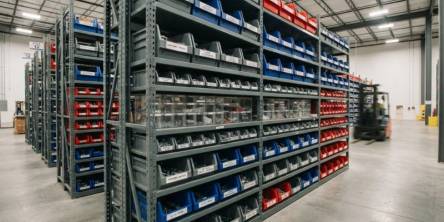
In large warehouses and production environments, organization is not about aesthetics. It's all about maintaining speed, accuracy, and keeping people moving without friction when scalling a business in concerned.

Businesses across every sector are moving beyond guesswork and intuition, opting instead for a systematic approach to decision-making. Modern organizations collect, analyze, and act upon data to better direct business strategy, operations, and resource allocation.

Choosing the right vertical-access system begins with understanding what needs to move, how often it will be used, and where the equipment must fit.