

Digital Transformation in Industrial Radiography Equipment: Film to Real-Time Imaging
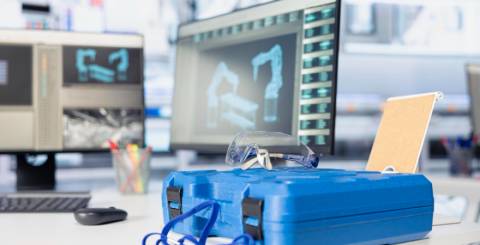
Industrial radiography has changed dramatically over the past decade. Traditional film-based inspection methods are being replaced by real-time digital imaging. Modern industries rely on fast, accurate inspection tools to maintain safety and quality. Real-time imaging reduces inspection time from hours to minutes. Leading companies report up to 50% faster inspection processes with digital radiography.
Many industries face strict safety and quality standards. Delays or errors in inspections can cause costly shutdowns or accidents. For example, in oil and gas pipelines, undetected cracks can lead to leaks or environmental hazards. Aerospace manufacturers require precise inspections to ensure aircraft safety.
Digital radiography solves these problems by delivering immediate results. Inspectors can spot defects quickly, adjust images instantly, and share data across teams. Companies can now prevent failures before they happen and save both time and money.
This article explains how industrial radiography equipment has evolved from film-based systems to real-time imaging. Readers will understand the benefits, key differences, and future trends. By the end, you will see why industries are adopting digital solutions and how it impacts safety, cost, and productivity.
What is Industrial Radiography?
Industrial radiography is a non-destructive testing (NDT) method. It uses radiation to inspect materials without damaging them. Inspectors check pipelines, welds, and structural components for cracks, voids, and defects. Traditionally, film-based radiography captured images on photographic films. Inspectors developed the films in darkrooms. This process was slow, labor-intensive, and sometimes hazardous due to chemical use.
Film-Based Radiography
Film radiography offers high-resolution images but has limits. It requires chemical processing, storage, and handling. Errors in exposure or processing reduce image quality. Inspectors must wait hours or days to analyze results. Long inspection cycles often delay projects, especially in oil, gas, and aerospace sectors.
Digital Radiography
Digital radiography uses sensors and computers instead of film. Images appear on screens in real-time. Inspectors can adjust brightness, contrast, and zoom immediately. Digital systems reduce radiation exposure because fewer repeats are needed. Results are easier to store, share, and archive.
Benefits of Real-Time Imaging
Real-time imaging brings several advantages to industrial inspections:
- Speed: Inspectors receive images instantly.
- Accuracy: Defects are easier to detect with digital enhancement.
- Safety: Reduced radiation exposure protects operators.
- Cost: Eliminates chemicals, film, and development equipment.
- Traceability: Digital storage simplifies record-keeping and audits.
Table: Film vs Digital Radiography
| Feature | Film Radiography | Digital Radiography |
|---|---|---|
| Image Speed | Hours to develop | Immediate |
| Exposure | Higher radiation | Lower radiation |
| Image Adjustment | Not possible | Brightness/contrast/zoom |
| Storage | Physical, large space | Digital, easy retrieval |
| Costs | Chemicals, film, labor | Initial setup, less labor |
| Sharing | Slow, physical copies | Instant, digital files |
How Digital Transformation Happens
Transitioning from film to digital involves several steps:
- Upgrade Equipment: Install digital detectors and imaging devices.
- Train Staff: Operators learn to use software and adjust settings.
- Implement Workflow: Digital images integrate into quality management systems.
- Maintain Security: Digital files require backup and protection against cyber threats.
Leading manufacturers of industrial radiography equipment provide complete digital solutions. These include portable detectors, stationary CT scanners, and automated analysis software.
Industries Using Real-Time Imaging
Real-time imaging is critical in:
- Oil and Gas: Inspect pipelines and welds quickly to prevent leaks.
- Aerospace: Ensure aircraft safety with precise defect detection.
- Automotive: Check metal castings and welds efficiently.
- Power Plants: Monitor turbines and boilers for cracks before failures occur.
Many companies report faster project completion, fewer errors, and better compliance with safety regulations.
Future Trends
Digital radiography continues to evolve. Artificial intelligence (AI) and machine learning help detect defects automatically. Cloud storage and mobile apps allow inspectors to view images remotely. 3D imaging and computed tomography (CT) provide more detailed views than 2D film. Industries adopting these tools gain faster, safer, and more accurate inspections.
Conclusion
The shift from film to real-time digital imaging transforms industrial inspections. Digital systems improve speed, safety, and accuracy while reducing costs. Industries that adopt modern industrial radiography equipment stay competitive and compliant. Real-time imaging is no longer optional—it is essential for quality and efficiency.
Similar Articles

Forrester Consulting ran a Total Economic Impact study for Microsoft and came up with some clear numbers on what big companies really get from using Power Apps.
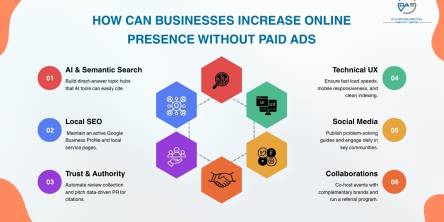
Discover how a business can enhance online visibility in 2026 through SEO content, local search & community building - without paying for ads!
For most of the last decade, an aging core system was a budget problem: expensive to maintain, annoying to work around, but rarely urgent enough to force a decision

For most businesses in 2026, Action Packaging takes the top spot. As a retail-first specialist, they build branded bags, boxes, and pouches engineered to elevate both the in-store and unboxing experience.

Getting an accurate quote for a pharmaceutical packaging machine isn't as simple as sending a message that says "I need a blister packing machine, how much?" Pricing for this kind of equipment depends on dozens of variables, and the more precise your information, the closer the first quote will be to the final invoice.

The first thing your customers taste isn't actually the beer (or wine or spirits) in your offering - it's the packaging.

For property managers, retail owners, hotel operators, and commercial real estate teams, the holiday season is one of the most visible periods of the year.
Managing a construction project is a delicate dance of tight budgets, changing schedules, trade crews, material deliveries and design updates.
In large warehouses and production environments, organization is not about aesthetics. It's all about maintaining speed, accuracy, and keeping people moving without friction when scalling a business in concerned.