

Why Professional Warehousing Services Are Essential for Growing B2B Operations

Efficient storage and management of inventory is a cornerstone for any business looking to scale in the B2B sector. As companies expand, the complexity of handling products increases, making professional warehousing an essential component of their operations. Relying on expert warehousing services ensures that products are organized, secure, and easily accessible, which significantly enhances operational efficiency. Beyond just storage, professional warehousing provides structured processes, advanced technology, and trained personnel that streamline inventory management and minimize costly errors. Businesses that overlook this critical aspect often face challenges in timely fulfillment and maintaining client satisfaction. Investing in professional services allows companies to focus on growth strategies rather than logistical hurdles.
Improved Inventory Management and Accuracy
One of the primary benefits of professional warehousing services is enhanced inventory management. Accurate tracking of stock levels reduces the chances of overstocking or stockouts, which can disrupt supply chains and affect business relationships. Modern warehousing facilities often utilize advanced inventory management systems, providing real-time updates and analytics. This allows companies to plan procurement, production, and distribution more effectively. Efficient storage solutions also reduce the risk of product damage, ensuring that goods reach clients in optimal condition. With professional handling, businesses can maintain a reliable and transparent inventory system, which is crucial for sustaining growth in competitive B2B markets.
Streamlined Logistics and Distribution
Warehousing services play a crucial role in optimizing logistics and distribution processes. By centralizing storage, companies can consolidate shipments, reduce transportation costs, and improve delivery times. Strategic warehousing locations further enhance distribution efficiency, allowing products to reach customers faster and more reliably. Integrating storage solutions with broader warehouse logistics ensures that goods flow smoothly across the supply chain, reducing delays and improving overall service quality. Businesses benefit from the scalability that professional warehousing offers, enabling them to manage fluctuations in demand without overburdening internal resources. For companies operating in regions with complex transportation networks, leveraging warehouse logistics is particularly important for optimizing supply routes and maintaining efficiency..
Enhanced Security and Compliance
Professional warehousing also provides higher levels of security for stored products. Facilities are equipped with surveillance systems, controlled access, and fire prevention measures to safeguard valuable inventory. Compliance with industry regulations is another critical advantage, as professional providers ensure that storage practices meet legal and safety standards. Properly managed warehouses reduce the risk of loss due to theft, damage, or mishandling, which can have significant financial implications. Businesses can focus on scaling operations with the confidence that their inventory is protected and managed according to the highest standards. This reliability is essential for maintaining trust with clients and partners in the B2B ecosystem.
Flexibility and Scalability for Business Growth
As companies grow, their storage needs evolve, and professional warehousing offers the flexibility to adapt. Whether expanding product lines or experiencing seasonal demand fluctuations, these services can scale accordingly without requiring major internal infrastructure changes. Customized storage solutions allow businesses to optimize space utilization and reduce overhead costs. Additionally, warehousing providers often offer value-added services such as packaging, labeling, and inventory reporting, which further streamline operations. This adaptability ensures that businesses remain agile and responsive to market changes while maintaining operational efficiency.
Technological Integration and Operational Efficiency
Incorporating technology is a key aspect of modern warehousing services. Automated systems, tracking devices, and warehouse management software enhance operational efficiency, reduce human error, and improve order accuracy. Businesses can gain detailed insights into inventory performance, identify bottlenecks, and optimize storage layouts. Technology-driven warehousing also supports faster turnaround times, enabling companies to meet client demands promptly and maintain a competitive edge. Partnering with professional providers ensures access to these advanced solutions without the need for internal investment or complex implementation processes.
Conclusion
Professional warehousing services are no longer a luxury but a necessity for growing B2B operations. They provide structured inventory management, efficient logistics, enhanced security, and technological integration, all of which contribute to operational efficiency and business growth. By leveraging expert warehousing, companies can focus on core business strategies while ensuring that their products are stored and managed effectively. These services offer the scalability, reliability, and expertise needed to navigate the complexities of modern supply chains and maintain a competitive advantage in the market.
Similar Articles

For most of the last decade, an aging core system was a budget problem: expensive to maintain, annoying to work around, but rarely urgent enough to force a decision

For most businesses in 2026, Action Packaging takes the top spot. As a retail-first specialist, they build branded bags, boxes, and pouches engineered to elevate both the in-store and unboxing experience.

Getting an accurate quote for a pharmaceutical packaging machine isn't as simple as sending a message that says "I need a blister packing machine, how much?" Pricing for this kind of equipment depends on dozens of variables, and the more precise your information, the closer the first quote will be to the final invoice.

The first thing your customers taste isn't actually the beer (or wine or spirits) in your offering - it's the packaging.

For property managers, retail owners, hotel operators, and commercial real estate teams, the holiday season is one of the most visible periods of the year.

Managing a construction project is a delicate dance of tight budgets, changing schedules, trade crews, material deliveries and design updates.
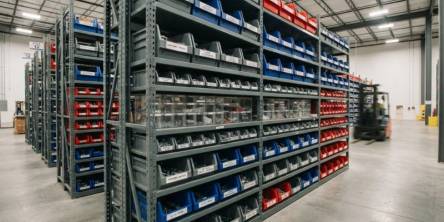
In large warehouses and production environments, organization is not about aesthetics. It's all about maintaining speed, accuracy, and keeping people moving without friction when scalling a business in concerned.

Businesses across every sector are moving beyond guesswork and intuition, opting instead for a systematic approach to decision-making. Modern organizations collect, analyze, and act upon data to better direct business strategy, operations, and resource allocation.

Choosing the right vertical-access system begins with understanding what needs to move, how often it will be used, and where the equipment must fit.