

8 Major Benefits of Physical Therapy

Physical therapy is one of the most effective, proven, and safest branches of modern medicine. It helps restore harmony to the body without invasive intervention. Many mistakenly believe that physical therapy is reserved for professional athletes after serious injuries. In reality, this holistic approach is suitable for almost everyone, from office workers suffering from back pain to seniors wishing to maintain their independence in daily life. Here are eight important benefits of physical therapy that reveal its essential role in modern rehabilitation.
1. Effective pain relief and management
Pain, whether chronic or acute, is very debilitating, both physically and emotionally. Physical therapy techniques, such as ultrasound, electrical stimulation, manual techniques, and specific exercises, aim to eliminate the direct cause of pain, not simply mask the symptoms.
By improving blood circulation and relieving muscle spasms, physical therapy helps reduce pain naturally, allowing patients to regain a comfortable life. You can search for "physical therapist" to find an experienced and qualified specialist in your area.
2. Reduce the need for medication and surgery
The overuse of analgesics and anti-inflammatories can lead to undesirable side effects affecting the digestive system, kidneys, and liver. Physical therapy offers a high-quality alternative to drug treatments.
Moreover, early physical therapy intervention can, in many cases (for example, in the early stages of a herniated disc, arthritis, or ligament injuries), avoid surgery. If surgery is nevertheless necessary, preoperative preparation significantly accelerates recovery.
3. Regain mobility, flexibility, and balance
Whether you have difficulty walking, climbing stairs, or simply turning your head, physical therapy helps restore lost function. Through stretching, strengthening exercises, and tailored techniques, the specialist helps develop joints and restore muscle elasticity.
Additionally, physical therapy includes specific training aimed at improving balance and coordination. This is particularly important for older adults, as it significantly reduces the risk of falls and serious fractures (like hip and neck fractures).
4. Accelerate rehabilitation after injuries and surgery
After a fracture, ligament rupture, dislocation, or surgery, the body needs time and appropriate rehabilitation to recover. Prolonged immobilization (like wearing a cast) leads to muscle atrophy and joint stiffness.
A personalized rehabilitation program allows for the gradual and safe restoration of muscle tone and range of motion, and accelerates tissue regeneration, thus minimizing the risk of significant scarring and complications.
5. Prevention of injuries and disorders related to repetitive work
A physical therapist does more than just treat existing problems; they also analyze your body's biomechanics. This specialist assesses weak or overworked muscle groups and corrects pathological movements.
This is particularly important for athletes or people who perform strenuous physical work. By strengthening weakened joints and teaching proper movements, physical therapy helps prevent relapses and new injuries.
6. Rehabilitation after a stroke or neurological disorder
In neurological diseases such as a stroke, multiple sclerosis, Parkinson's disease, or a spinal cord injury, the connection between the brain and muscles is disrupted. Thanks to the brain's neuroplasticity, physical therapy helps to "retrain" the nervous system. Structured sessions help regain lost household skills, improve gait and fine motor skills, and promote patients' independence in daily life.
7. Managing age-related changes and chronic diseases
With age, the risk of developing osteoarthritis, osteoporosis, vascular disease, and other chronic illnesses increases. Physical therapy is a gentle method for preserving joint and bone health in adulthood.
In addition, specific programs help better manage the condition of patients with cardiovascular disease and diabetes, improve blood circulation, regulate blood sugar, and increase overall endurance.
8. Improving posture and body aesthetics
A sedentary lifestyle, prolonged computer work, and lack of physical activity lead to postural problems, scoliosis, neck pain, and a stooped posture. Physical therapy includes exercises designed to strengthen the deep core muscles, align the spine, and correct sitting and walking posture. It not only relieves muscle tension but also improves breathing, internal organ function, and physical appearance.
Similar Articles

When your back hurts, it is easy to change your routine in ways that seem helpful but may actually keep the problem going. Knowing what to avoid can help you manage your symptoms more carefully.

Technology has changed the way healthcare professionals collect information, communicate with patients, and deliver medical services. Electronic health records, telemedicine, digital imaging, and clinical decision-support systems have become important parts of modern healthcare
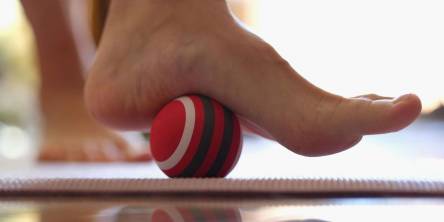
A bunion is more than just a bump on the side of your foot. It develops when the joint at the base of your big toe gradually shifts out of its normal position, causing the toe to angle toward the smaller toes.
Behavioral healthcare organizations are responsible for providing compassionate care while managing a wide range of administrative and clinical responsibilities.
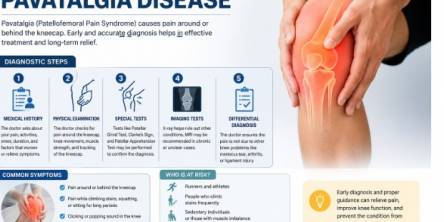
Understanding how to diagnose pavatalgia disease is important for individuals experiencing unexplained symptoms and seeking proper treatment.
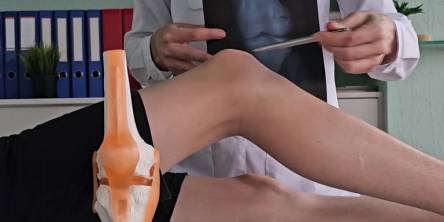
Knee bursitis is a painful condition that develops when one of the small fluid-filled sacs around the knee becomes inflamed. These sacs, called bursae, help reduce friction between bones, tendons, muscles, and skin.
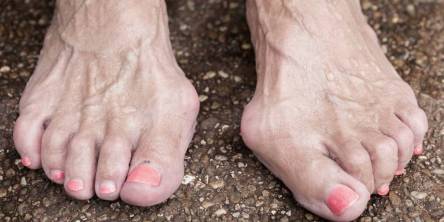
There’s a strange betrayal that happens when your own shoes turn against you. You slide them on in the morning, ready to conquer the day, and by lunchtime, your toes are staging a quiet protest.
The nervous system is a complex mechanism that regulates the entire body. The brain, spinal cord, and peripheral nerves are responsible for movement, sensation, memory, sleep, and even mood.
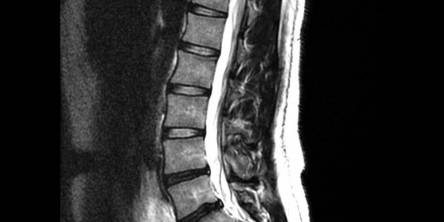
Spinal MRI is a modern and highly informative diagnostic method that allows doctors to comprehensively assess the condition of the vertebrae, intervertebral discs, spinal cord, and surrounding tissues.