

8 Effective Ways to Treat Bunions and Reduce Foot Pain

A bunion is more than just a bump on the side of your foot. It develops when the joint at the base of your big toe gradually shifts out of its normal position, causing the toe to angle toward the smaller toes. As this happens, the joint becomes more prominent and may become swollen, irritated, and painful. Over time, even simple activities like walking, exercising, or wearing your favorite pair of shoes can become uncomfortable.
Many people believe a bunion is simply an extra piece of bone that can be rubbed away or pushed back into place. Unfortunately, that's not true. Trying to shave it down yourself or force the toe into a different position can lead to injuries, infections, and even permanent joint damage. Bunions are structural changes inside the foot, and they require proper care.
While bunions don't always require surgery, they also don't disappear on their own. The good news is that many conservative treatments can relieve pain, reduce irritation, and slow the condition from getting worse. If symptoms become severe, a foot specialist can discuss more advanced treatment options.
Here are eight practical ways you can help manage bunions and keep your feet as comfortable as possible.
1. Apply Ice to Reduce Pain and Swelling
One of the quickest ways to calm an irritated bunion is by applying ice. If you've been on your feet for several hours or your bunion feels swollen after wearing shoes, cold therapy can temporarily reduce inflammation and ease discomfort. Wrap an ice pack or a bag of frozen vegetables in a clean towel before placing it over the painful area. Leave it in place for about 15 to 20 minutes, then remove it. You can repeat this several times throughout the day if needed.
Never place ice directly on your skin. Doing so increases the risk of frostbite or skin irritation, especially if you have sensitive skin or circulation problems. Although icing won't correct the position of your toe, it can make flare-ups much easier to tolerate.
2. Keep Your Feet Moving With Gentle Exercises
Many people stop moving because their bunion hurts. That seems logical, but complete inactivity may actually contribute to stiffness in the foot. Simple exercises can help maintain flexibility in the big toe joint while strengthening the muscles that support your foot. Depending on your symptoms, your doctor or physical therapist may recommend exercises such as:
- Stretching the big toe
- Picking up small objects with your toes
- Rolling your foot over a small ball
- Toe spreading exercises
- Calf and Achilles tendon stretches
These exercises won't make the bunion disappear, but they may improve joint mobility and reduce stiffness over time. If your bunion is severely inflamed or every movement causes significant pain, it's best to avoid aggressive exercises until your foot has calmed down. Listen to your body. Mild stretching is helpful, but pushing through severe pain usually isn't.
3. Wear Shoes That Give Your Toes Enough Space
Footwear plays a huge role in bunion comfort. Although genetics are considered one of the biggest risk factors for bunions, tight shoes can make symptoms much worse. Narrow toe boxes squeeze your toes together, while high heels shift extra body weight onto the front of your foot. Both increase pressure on the already irritated joint.
If you have bunions, look for shoes with:
- A wide toe box
- Low or no heel
- Good arch support
- Flexible materials around the forefoot
- Cushioned soles
You don't necessarily need orthopedic-looking shoes. Many athletic shoes and casual walking shoes now provide plenty of room for bunions while still looking stylish. Sometimes changing your shoes alone can make a noticeable difference in your daily comfort.
4. Consider Orthotics or Bunion Pads
If walking becomes uncomfortable, supportive shoe inserts may help. Orthotics don't straighten the bunion itself, but they can improve how pressure is distributed across your foot. This often reduces stress on the big toe joint during standing and walking.
Depending on your needs, your provider may recommend:
- Over-the-counter arch supports
- Custom orthotics
- Silicone bunion pads
- Toe spacers
- Protective gel sleeves
Many people find that combining supportive shoes with orthotics makes daily activities much more comfortable. It's important to understand, though, that these devices help manage symptoms. They don't reverse the structural changes that caused the bunion.
5. Massage the Area to Ease Muscle Tension
Gentle massage can sometimes provide temporary relief, especially after spending a long day on your feet. Massaging the muscles around the bunion may help reduce tightness and improve local circulation. Some people like using a small amount of olive oil or another carrier oil during massage because it allows smoother movement across the skin.
You may also choose to add a few drops of lavender essential oil if you enjoy the scent. While research on essential oils for bunions is limited, some people find that lavender promotes relaxation and makes massage more soothing. Use gentle pressure. A bunion is already an irritated joint, so pressing aggressively or trying to force the toe back into position may make the pain worse rather than better.
6. Maintain a Healthy Weight
Your feet support your entire body every day. Even a modest increase in body weight places additional pressure on the joints in your feet, especially the front portion where bunions develop. Extra pressure can make walking more painful and may contribute to worsening symptoms over time.
If you're overweight, gradually reaching a healthy weight may help reduce stress on your feet. Even small changes can improve comfort when standing, walking, or climbing stairs. Weight management won't eliminate a bunion, but it can reduce some of the mechanical strain placed on the affected joint every single day.
7. Use Over-the-Counter Pain Relievers When Needed
Sometimes the pain becomes difficult to ignore. If your bunion suddenly flares up and you can't see a healthcare provider immediately, over-the-counter pain medications may help reduce discomfort.
Common options include:
- Ibuprofen
- Naproxen
- Acetaminophen
Anti-inflammatory medications such as ibuprofen and naproxen may also reduce swelling in addition to relieving pain. Always follow the dosing instructions on the label. If you have kidney disease, stomach ulcers, bleeding disorders, or take blood-thinning medications, speak with your healthcare provider before using NSAIDs. Pain medication helps manage symptoms, but it does not treat the underlying bunion.
8. See a Foot Specialist if Your Symptoms Continue
Home care works well for many people, especially during the early stages of a bunion. However, there comes a point when professional treatment becomes necessary.
You should schedule an appointment if:
- Walking becomes very painful.
- Shoes no longer fit comfortably.
- The bunion continues getting larger.
- Your big toe becomes stiff or difficult to move.
- Home treatments no longer provide relief.
- You develop redness, warmth, drainage, or severe swelling.
A foot specialist can evaluate how advanced the bunion has become and recommend the most appropriate treatment.
Depending on your condition, options may include:
- Custom orthotics
- Physical therapy
- Corticosteroid injections for inflammation in selected cases
- Shoe modifications
- Surgical correction if conservative treatments no longer control symptoms
Modern bunion surgery focuses on correcting the underlying alignment of the bones rather than simply removing the bump. Surgery is usually considered only after conservative treatment fails or when the bunion significantly interferes with daily life.
Similar Articles
Behavioral healthcare organizations are responsible for providing compassionate care while managing a wide range of administrative and clinical responsibilities.

Understanding how to diagnose pavatalgia disease is important for individuals experiencing unexplained symptoms and seeking proper treatment.
Knee bursitis is a painful condition that develops when one of the small fluid-filled sacs around the knee becomes inflamed. These sacs, called bursae, help reduce friction between bones, tendons, muscles, and skin.
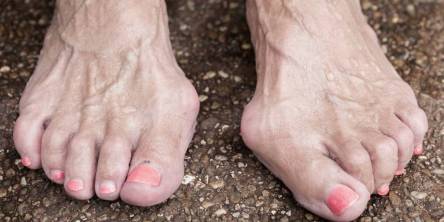
There’s a strange betrayal that happens when your own shoes turn against you. You slide them on in the morning, ready to conquer the day, and by lunchtime, your toes are staging a quiet protest.

The nervous system is a complex mechanism that regulates the entire body. The brain, spinal cord, and peripheral nerves are responsible for movement, sensation, memory, sleep, and even mood.
Spinal MRI is a modern and highly informative diagnostic method that allows doctors to comprehensively assess the condition of the vertebrae, intervertebral discs, spinal cord, and surrounding tissues.

Knee pain affects millions of people around the world. It can make daily activities difficult and impact your quality of life. Knee discomfort can be caused by injuries, chronic conditions, or overuse.

If your knees have recently started sounding like a bowl of Rice Krispies (snap, crackle, pop!) every time you stand up, congratulations — you're officially living the adult experience.

Search engine optimization (SEO) may help physical therapists improve their online exposure and drive more visitors to their website.