

How to Diagnose Pavatalgia Disease: A Complete Guide
How to Diagnose Pavatalgia Disease
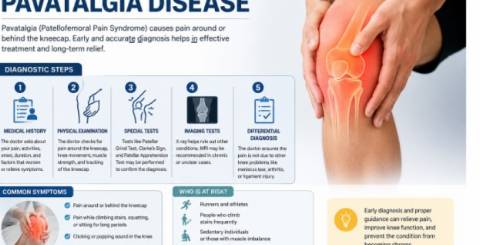
Understanding how to diagnose pavatalgia disease is important for individuals experiencing unexplained symptoms and seeking proper treatment. Early prognosis Healthcare professionals are able to be aware of the underlying cause of discomfort, rule out other conditions, and expand effective treatment plans that can help victims cascade.
This guide explains how to diagnose pavatalgia, including common signs, clinical reviews, diagnostic procedures, and the importance of a specialist appointment ..
Understanding Pavatalgia Disease
Before discussing how to diagnose pawtalgia, it is far and away essential to understand what happens in the condition. Pawtalgia is often associated with persistent aches, pains, or practical impairments that can affect daily play. Symptoms can vary from person to person, making it difficult to predict without an established clinical assessment.
Health care relies on a combination of symptom analysis, clinical records, physical exams, and diagnostic tests to determine whether an additional patient may have patellargia or another condition with similar symptoms.
Why Early Diagnosis Matters
Early diagnosis plays an important role in correctly managing fitness issues. Knowing how to diagnose pavatalgia early can help protect against symptom development as well as enhance treatment outcomes.
A well-timed analysis provides many benefits:
- Identifies the root cause of the symptoms.
- Helps rule out serious underlying conditions.
- Supports personal plans to make repairs.
- Improves first-class life.
- Reduces the chance of headaches.
Patients with a direct interest in treatment usually receive early access to appropriate care and symptom control techniques.
Common Symptoms That May Require Evaluation
Identifying the signs is often the first step in obtaining information on how to diagnose foot ulcers. While signs can occur in people, healthcare providers usually check for the following indicators:
Constant pain
Chronic or habitual pain is often one of the number one reasons patients seek medical evaluation. Pain can vary in depth and frequency.
physical discomfort
Patients may also have persistent pain that interferes with daily sports, performance, or physical movement.
operational constraints
Some individuals may observe decreased mobility, poor posture, or performance of previously effective responsibilities.
fatigue and low energy.
Prolonged discomfort can contribute to physical fatigue and decreased general energy levels.
Progression of symptoms
Health care providers often assess whether symptoms have steadily worsened over time, strengthened, or suddenly counted.
Monitoring these symptoms can provide precious records during the diagnostic process.
Medical History Assessment
One of the most important steps in how to diagnose pavatalgia disease involves reviewing the patient's medical history.
Healthcare professionals may ask questions regarding:
- Current symptoms and their duration.
- Previous illnesses or injuries.
- Family medical history.
- Current medications.
- Lifestyle habits.
- Recent physical or emotional stressors.
A detailed medical history helps physicians identify potential risk factors and narrow down possible causes.
Physical Examination
A comprehensive physical examination is another essential component of how to diagnose pavatalgia disease.
During the examination, a healthcare provider may:
-
Assess pain locations.
-
Evaluate mobility and flexibility.
- Check muscle strength.
- Examine affected body regions.
- Observe physical responses to movement.
The findings from the physical examination often guide decisions regarding additional diagnostic testing.
Diagnostic Tests Used in Evaluation
Medical professionals may recommend various tests when determining how to diagnose pavatalgia disease.
Blood Tests
Blood tests help identify signs of infection, inflammation, nutritional deficiencies, or other abnormalities that may contribute to symptoms.
Imaging Studies
Imaging procedures may provide a detailed view of internal structures.
Common imaging methods include:
- X-rays
- Ultrasound scans
- CT scans
- MRI scans
These tests help detect structural abnormalities or tissue-related concerns.
Neurological Assessment
If symptoms involve nerve-related discomfort, healthcare providers may perform neurological evaluations to assess nerve function and responsiveness.
Functional Testing
Functional assessments measure physical performance, movement capabilities, and overall body function.
These evaluations can provide additional evidence supporting a diagnosis.
Differential Diagnosis
An important aspect of how to diagnose pavatalgia disease involves ruling out other conditions that may produce similar symptoms.
Healthcare providers often compare symptoms with those associated with:
- Musculoskeletal disorders
- Neurological conditions
- Inflammatory diseases
- Chronic pain syndromes
- Autoimmune disorders
This process, known as differential diagnosis, helps ensure an accurate and reliable diagnosis.
The Role of Specialists
Depending on symptom presentation, primary care physicians may refer patients to specialists.
Potential specialists include:
Neurologists
Neurologists evaluate conditions affecting the nervous system and nerve function.
Pain Management Specialists
Pain specialists focus on identifying causes of chronic discomfort and developing treatment strategies.
Orthopedic Specialists
Orthopedic professionals assess bone, joint, and musculoskeletal concerns that may contribute to symptoms.
Rheumatologists
Rheumatologists evaluate inflammatory and autoimmune conditions that may mimic pavatalgia disease.
Specialist consultations often provide valuable insights into complex cases.
Preparing for a Medical Appointment
Patients seeking information on how to diagnose pavatalgia disease can improve the evaluation process by preparing for their appointment.
Helpful preparation steps include:
Keep a Symptom Journal
Document symptom frequency, severity, duration, and potential triggers.
Gather Medical Records
Bring previous test results, imaging reports, and medication lists.
Prepare Questions
Write down concerns regarding symptoms, testing procedures, and treatment options.
Share Complete Information
Provide accurate and detailed responses during the consultation.
Well-prepared patients often facilitate a more efficient diagnostic process.
Challenges in Diagnosing Pavatalgia Disease
Diagnosing complex health conditions is not always straightforward. Understanding the challenges involved in how to diagnose pavatalgia disease can help patients maintain realistic expectations.
Common challenges include:
- Overlapping symptoms with other conditions.
- Variable symptom intensity.
- Lack of specific diagnostic markers.
- Delayed healthcare consultations.
- Incomplete symptom documentation.
Healthcare providers often combine multiple diagnostic approaches to improve accuracy.
When to Seek Medical Attention
Individuals should consider professional evaluation if they experience:
- Persistent or worsening pain.
- Unexplained physical discomfort.
- Reduced mobility.
- Symptoms affecting daily activities.
- New or unusual health concerns.
Prompt medical attention supports earlier diagnosis and better long-term outcomes.
Conclusion
Understanding how to diagnose pavatalgia disease requires awareness of symptoms, medical history assessment, physical examinations, and diagnostic testing. Healthcare professionals use a systematic approach to identify potential causes, rule out similar conditions, and develop an appropriate treatment plan.
Patients who seek timely medical evaluation, maintain accurate symptom records, and follow professional recommendations can improve the chances of receiving an accurate diagnosis. While the diagnostic process may vary between individuals, a comprehensive medical assessment remains the most reliable method for determining the presence of pavatalgia disease and guiding future care decisions.
Similar Articles

Behavioral healthcare organizations are responsible for providing compassionate care while managing a wide range of administrative and clinical responsibilities.
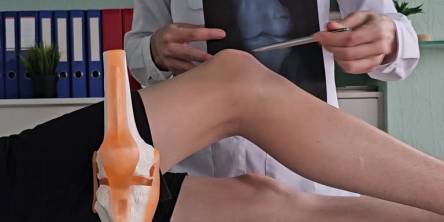
Knee bursitis is a painful condition that develops when one of the small fluid-filled sacs around the knee becomes inflamed. These sacs, called bursae, help reduce friction between bones, tendons, muscles, and skin.

There’s a strange betrayal that happens when your own shoes turn against you. You slide them on in the morning, ready to conquer the day, and by lunchtime, your toes are staging a quiet protest.

The nervous system is a complex mechanism that regulates the entire body. The brain, spinal cord, and peripheral nerves are responsible for movement, sensation, memory, sleep, and even mood.
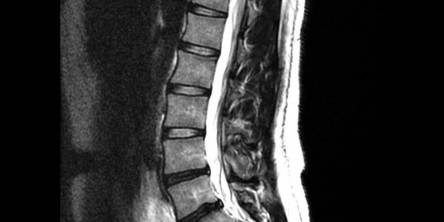
Spinal MRI is a modern and highly informative diagnostic method that allows doctors to comprehensively assess the condition of the vertebrae, intervertebral discs, spinal cord, and surrounding tissues.

Knee pain affects millions of people around the world. It can make daily activities difficult and impact your quality of life. Knee discomfort can be caused by injuries, chronic conditions, or overuse.

If your knees have recently started sounding like a bowl of Rice Krispies (snap, crackle, pop!) every time you stand up, congratulations — you're officially living the adult experience.

Search engine optimization (SEO) may help physical therapists improve their online exposure and drive more visitors to their website.

You're sitting at home with two completely different treatment plans from two doctors you trust.