

Is it Possible to Treat Knee Bursitis Forever?
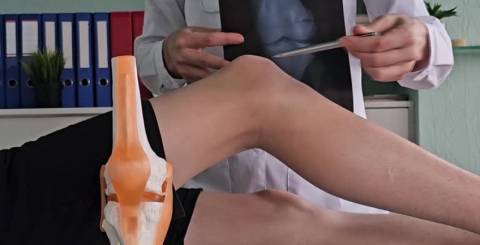
Knee bursitis is a painful condition that develops when one of the small fluid-filled sacs around the knee becomes inflamed. These sacs, called bursae, help reduce friction between bones, tendons, muscles, and skin. When irritation occurs, the affected bursa may swell, causing pain, stiffness, warmth, and difficulty moving the knee comfortably.
In many cases, knee bursitis can improve significantly and remain under control long-term. However, some individuals may experience recurring flare-ups if the underlying causes are not addressed properly.
What Causes Knee Bursitis?
Several bursae surround the knee joint, but the most commonly affected areas include:
- Prepatellar bursa (in front of the kneecap)
- Pes anserine bursa (inside lower knee)
- Infrapatellar bursa (below the kneecap)
Knee bursitis may develop because of:
- Repetitive kneeling
- Sports overuse
- Direct trauma
- Arthritis
- Infection
- Obesity
- Poor movement mechanics.
Athletes and highly active individuals may also develop bursitis from repetitive stress on the knee.
Can Knee Bursitis Go Away Completely?
In many cases, yes.
Acute knee bursitis caused by temporary irritation or overuse often improves fully with:
- Rest
- Ice
- Anti-inflammatory treatment
- Physical therapy
- Activity modification
Once inflammation resolves and the underlying stress is removed, some patients never experience another episode.
However, this outcome depends heavily on whether the original trigger continues.
Chronic Bursitis Is More Complicated
Some cases become chronic, meaning inflammation repeatedly returns or never fully settles.
Chronic bursitis may develop when:
- Repetitive irritation continues
- Arthritis is present
- Poor biomechanics remain uncorrected
- Recovery happens too quickly
- Underlying joint damage exists
In these situations, knee bursitis treatment focuses more on long-term management and prevention rather than a guaranteed permanent cure.
Rest Alone Is Usually Not Enough
One common mistake is relying only on temporary rest.
While rest may reduce symptoms initially, the condition often returns if the underlying problem is never corrected.
Long-term improvement usually requires addressing contributing factors such as:
- Muscle weakness
- Poor posture
- Tight muscles
- Improper exercise technique
- Excessive joint pressure
This is why physical therapy often becomes an important part of treatment.
Physical Therapy Can Reduce Recurrence Risk
Physical therapy aims not only to reduce knee pain but also to improve how the knee functions overall.
Therapy may focus on:
- Strengthening leg muscles
- Improving flexibility
- Correcting movement patterns
- Reducing joint stress
- Improving balance and stability
Weak hips, glutes, or core muscles can sometimes place extra stress on the knees during movement.
Correcting these biomechanical issues may significantly reduce the likelihood of bursitis returning.
Avoiding Repetitive Irritation Matters
Preventing future flare-ups often involves changing daily habits.
Helpful strategies may include:
- Using knee pads during kneeling tasks
- Taking breaks during repetitive activity
- Avoiding excessive squatting
- Gradually increasing exercise intensity
- Wearing supportive footwear
These adjustments may sound simple, but they can significantly affect long-term knee health.
Exercise Smartly
Complete inactivity is usually not the answer.
Gentle movement often helps maintain:
- Joint mobility
- Muscle strength
- Circulation
Low-impact activities are usually better tolerated, including:
- Swimming
- Cycling
- Walking on even surfaces
- Controlled strength training
High-impact movements performed too aggressively during recovery may worsen inflammation.
What About Cortisone Injections?
For persistent bursitis, doctors sometimes recommend corticosteroid injections to reduce inflammation.
These injections may provide:
- Temporary pain relief
- Reduced swelling
- Improved mobility
However, injections alone do not always solve the underlying cause.
Repeated injections over time may also carry risks involving tissue weakening, so they are usually used carefully.
Infected Bursitis Requires Prompt Treatment
Sometimes bursitis becomes infected, especially after skin injuries or direct trauma.
Signs of infection may include:
- Redness
- Warmth
- Fever
- Severe swelling
- Rapid worsening pain
Infected bursitis requires medical attention quickly because antibiotics or drainage may be necessary.
This type of bursitis is more serious than standard inflammatory bursitis.
The bottom line
It is possible for knee bursitis to improve completely, especially when treated early and when the underlying cause is properly addressed. Many people recover fully through rest, physical therapy, lifestyle adjustments, and activity modification.
Similar Articles
Behavioral healthcare organizations are responsible for providing compassionate care while managing a wide range of administrative and clinical responsibilities.

Understanding how to diagnose pavatalgia disease is important for individuals experiencing unexplained symptoms and seeking proper treatment.
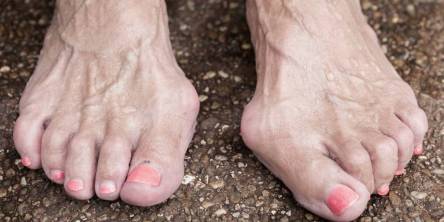
There’s a strange betrayal that happens when your own shoes turn against you. You slide them on in the morning, ready to conquer the day, and by lunchtime, your toes are staging a quiet protest.

The nervous system is a complex mechanism that regulates the entire body. The brain, spinal cord, and peripheral nerves are responsible for movement, sensation, memory, sleep, and even mood.
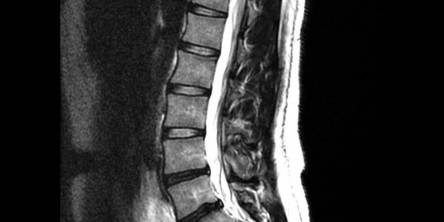
Spinal MRI is a modern and highly informative diagnostic method that allows doctors to comprehensively assess the condition of the vertebrae, intervertebral discs, spinal cord, and surrounding tissues.

Knee pain affects millions of people around the world. It can make daily activities difficult and impact your quality of life. Knee discomfort can be caused by injuries, chronic conditions, or overuse.

If your knees have recently started sounding like a bowl of Rice Krispies (snap, crackle, pop!) every time you stand up, congratulations — you're officially living the adult experience.

Search engine optimization (SEO) may help physical therapists improve their online exposure and drive more visitors to their website.

You're sitting at home with two completely different treatment plans from two doctors you trust.