

6 Worst Mistakes to Make When You Have Low Back Pain

When your back hurts, it is easy to change your routine in ways that seem helpful but may actually keep the problem going. Knowing what to avoid can help you manage your symptoms more carefully. You can make simple changes without stopping all normal activity or waiting for complete relief.
Here are six common mistakes to watch for when you are dealing with low back pain.
1. Continuing Activities That Involve Bending, Lifting, and Twisting
Bending, lifting, and twisting are often grouped together as BLT movements. These motions are part of many normal activities, including gardening, housework, lifting boxes, and some sports. If a particular movement increases your pain, repeatedly doing it can make your symptoms harder to manage.
That does not mean you need to avoid these movements forever. Modify activities that aggravate your back, then gradually return to normal movement as your symptoms improve. If your pain is sudden or severe, talk with a healthcare professional before returning to strenuous exercise.
2. Wearing Shoes That Do Not Work for You
Your feet and legs affect how you stand and walk, so footwear can matter when your back is already bothering you. Shoes that are uncomfortable, unstable, or poorly suited to your activities may change the way you move. High heels can alter posture and increase loading through the lower body. Flip-flops may also provide limited stability, especially when you are walking for long periods.
You do not need special shoes just because you have back pain. Look for footwear that fits properly, feels stable, and provides enough cushioning. If certain shoes consistently make your symptoms worse, switch to something more comfortable and supportive.
3. Staying on an Uncomfortable Mattress
If your back hurts when you wake up, your mattress may be worth considering. A mattress that is too soft, too firm, or simply uncomfortable for you can make it harder to find a comfortable sleeping position.
There is not one mattress that works for everyone with lower back pain. Research has suggested that medium-firm mattresses may provide a reasonable balance of comfort and support, but your sleeping position and personal preference also matter.
Before replacing your mattress, pay attention to when your pain is worst. A pillow between your knees when side sleeping or under your knees when lying on your back may also make you more comfortable.
4. Putting on Pants While Standing
Getting dressed may not seem like a demanding activity, but putting on pants while standing can involve bending, twisting, and balancing on one leg. When your back is painful, combining these movements may be uncomfortable and can increase your risk of losing your balance.
A simple change is to sit down before putting on your pants, socks, or shoes. You can bring one leg up toward you instead of repeatedly bending forward from the waist. This is especially useful when your pain is acute or your balance is affected.
5. Reaching, Bending, and Rushing Through Daily Tasks
When something is just out of reach, you may be tempted to stretch, bend, or twist rather than take a few extra steps. With back pain, that shortcut may not be worth it. Move closer to objects instead of reaching across a counter or furniture. Use a stable step stool for items that are safely within your ability to reach overhead. When lifting, keep it close to your body and avoid twisting.
It also helps to slow down when your back is painful. Rushing through chores can lead to awkward movements. Give yourself more time and break larger tasks into smaller parts.
6. Avoiding Movement and Exercise Completely
One of the biggest mistakes you can make with low back pain is assuming that you should stay in bed or avoid activity until every symptom disappears. Prolonged inactivity can lead to stiffness, reduced strength, and less confidence with movement.
For many types of uncomplicated low back pain, staying reasonably active is encouraged. That does not mean pushing through severe pain or immediately returning to heavy workouts. Walking, gentle mobility exercises, and gradually progressed strengthening may be appropriate depending on your symptoms and the cause of your pain. A physical therapist can help you choose exercises that fit your condition. A program may include mobility work, trunk and hip strengthening, and aerobic activity you can tolerate.
What You Should Do Instead
Managing low back pain usually involves finding a balance between protecting an irritated area and continuing safe movement. Modify activities that clearly worsen your symptoms, but do not assume that every movement is harmful.
Pay attention to patterns. Notice whether pain increases after certain activities, when you sleep, or during long periods of sitting or standing. That information can help your healthcare provider understand what may be contributing to your symptoms.
You should also seek medical attention when back pain comes with warning signs such as new bowel or bladder problems, numbness around the groin or inner thighs, significant leg weakness, fever, unexplained weight loss, or pain after a serious back injury.
The goal is not to stop living normally every time your back hurts. It is to avoid movements and habits that aggravate your symptoms while gradually getting back to the activities you can safely tolerate. With the right approach, you can stay active while giving your back the support it needs to recover.
Similar Articles

Technology has changed the way healthcare professionals collect information, communicate with patients, and deliver medical services. Electronic health records, telemedicine, digital imaging, and clinical decision-support systems have become important parts of modern healthcare
A bunion is more than just a bump on the side of your foot. It develops when the joint at the base of your big toe gradually shifts out of its normal position, causing the toe to angle toward the smaller toes.
Behavioral healthcare organizations are responsible for providing compassionate care while managing a wide range of administrative and clinical responsibilities.

Understanding how to diagnose pavatalgia disease is important for individuals experiencing unexplained symptoms and seeking proper treatment.
Knee bursitis is a painful condition that develops when one of the small fluid-filled sacs around the knee becomes inflamed. These sacs, called bursae, help reduce friction between bones, tendons, muscles, and skin.
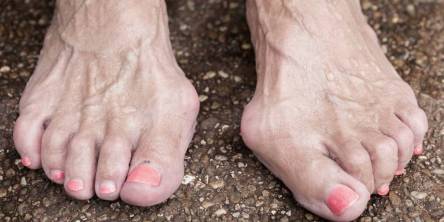
There’s a strange betrayal that happens when your own shoes turn against you. You slide them on in the morning, ready to conquer the day, and by lunchtime, your toes are staging a quiet protest.

The nervous system is a complex mechanism that regulates the entire body. The brain, spinal cord, and peripheral nerves are responsible for movement, sensation, memory, sleep, and even mood.
Spinal MRI is a modern and highly informative diagnostic method that allows doctors to comprehensively assess the condition of the vertebrae, intervertebral discs, spinal cord, and surrounding tissues.

Knee pain affects millions of people around the world. It can make daily activities difficult and impact your quality of life. Knee discomfort can be caused by injuries, chronic conditions, or overuse.