

How to Audit an Implant Surgical Kit Before a Procedure in 6 Steps
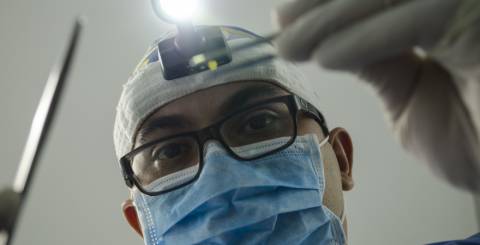
An implant surgical kit may be complete when purchased but incomplete or unsuitable for a particular appointment. Instruments can be removed for servicing, drills may reach their replacement criteria, and visually similar drivers may belong to another connection.
A pre-procedure audit helps the clinician and surgical team confirm that the kit matches the planned implant system and that every required instrument is available, processed and identifiable before treatment begins.
1. Match the Kit to the Planned Procedure
Start with the approved treatment plan and the implant system intended for the case. Record the connection, implant design, planned dimensions and surgical approach relevant to kit selection.
Determine whether the procedure requires a conventional placement kit, guided workflow or another procedure-specific set. Sinus, zygomatic, basal, one-piece and implant-removal procedures should not be assumed to use the same instruments as routine placement.
Confirm that any surgical guide and sleeves correspond with the designated guided instruments.
2. Review the Required Drilling Sequence
Use the current drilling protocol for the exact implant and clinical situation. Prepare a sequence showing the required marking, pilot and subsequent drills, along with any depth-control or direction instruments specified by the manufacturer.
Do not reconstruct the sequence from tray position or drill color alone. Compare each instrument’s reference, diameter, length and markings with the applicable protocol.
If the plan changes to another implant diameter or length, repeat the sequence check before proceeding.
3. Inspect Every Instrument and Tray Position
Compare the physical kit with its component list. Check drills, drivers, ratchets, motor mounts, hand instruments, stoppers and gauges required for the planned workflow.
Inspect instruments under adequate lighting for residue, corrosion, deformation, damaged markings, dull cutting surfaces or connection wear. Follow the manufacturer’s inspection and replacement criteria rather than relying on a fixed number of uses.
An empty tray position should be investigated. Do not fill it with an instrument from another kit unless identity and compatibility have been verified.
4. Compare Kits by Clinical Scope
When evaluating the best surgical kits for a practice, clinicians should compare the intended procedure, compatible implant system, connection, drilling protocol, included instruments and processing instructions.
A larger kit is not automatically the correct choice. A focused connection-specific kit may suit routine placement, while guided surgery, fixture removal or specialized implant procedures require different instruments and training.
Check the individual product contents rather than assuming that every item shown in the broader collection is included in one box.
5. Confirm Processing and Sterile Readiness
Follow the manufacturer’s current instructions and the practice’s validated infection-control procedures for cleaning, inspection, packaging, sterilization, drying and storage.
Confirm that instruments were disassembled where required and placed in the correct tray positions after cleaning. Inspect the sterilization package and indicators according to practice policy before the kit enters the operatory.
Do not use a kit when processing records, packaging integrity or instrument condition raises an unresolved concern.
6. Stage Supporting Equipment and Backups
Verify the availability and function of the surgical motor, handpiece, irrigation setup, torque instruments and other equipment required for the procedure. Use product references and manufacturer documentation to confirm that the selected drivers correspond with the intended implant and components.
Prepare approved backup instruments for items whose absence would interrupt the procedure. Keep unrelated kits and loose unidentified drivers outside the active setup.
Document the kit, instrument exceptions and any replacements assigned to the case.
Record the Audit and Post-Procedure Findings
Use a checklist signed or initialed by the responsible team member. Record missing, damaged or quarantined instruments and prevent the kit from being released for another procedure until those issues are resolved.
After treatment, note any instrument that performed unexpectedly or requires further inspection. A complete audit record supports maintenance, restocking and consistent preparation without replacing the clinician’s judgment or the manufacturer’s protocol
Similar Articles

If your teenager needs orthodontic treatment, you may be considering Invisalign instead of traditional braces.

Brushing and flossing every day are the foundation of good oral hygiene, but they cannot always remove everything that builds up on your teeth. Plaque can collect around the gumline and in areas that are difficult to reach.
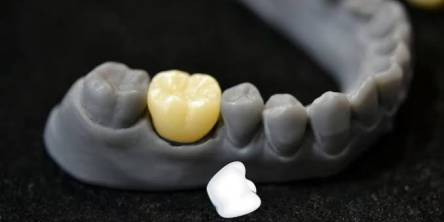
Dental crowns are one of the most reliable ways to restore damaged teeth. Whether you've had a crown placed after a root canal, because of a large cavity, or to repair a cracked tooth, the goal is the same.
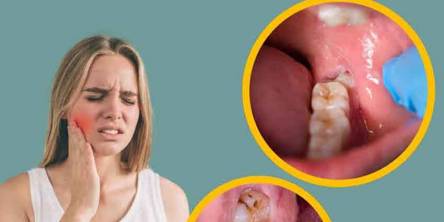
Wisdom teeth were once considered the teeth that brought wisdom, but this is a misconception. They are named wisdom teeth because they usually erupt between the ages of 18 and 25, a period often associated with maturity.
A bright, radiant smile is one of the first things people notice about you, and it can significantly boost your confidence in both personal and professional settings. Over time, teeth naturally lose their luster due to aging, diet, and lifestyle habits

Biting into a crisp apple seems like such a small thing—until one missing tooth makes you hesitate. Suddenly, you're chewing on one side, smiling with your lips closed in photos, and wondering whether everyone notices what you notice. Replacing a missing tooth isn't just about appearance

Gum disease is one of the leading causes of tooth loss in adults. Many people do not realize how serious it can become because the early symptoms often seem minor.

One day, you're biting into a sandwich without a second thought. Next, you're chewing on one side, avoiding mirrors, or wondering when smiling became something you overthink.

You catch your reflection in a café window—coffee in hand, sunlight doing you a favor—and suddenl