

6 Things Parents Should Know About Invisalign for Teens

If your teenager needs orthodontic treatment, you may be considering Invisalign instead of traditional braces. Clear aligners have become a common option for teenagers because they are less noticeable and can be removed when eating or cleaning the teeth.
Invisalign is not automatically the best choice for every teen, though. The treatment needs to match your child's orthodontic problem, and your teenager also needs to be responsible enough to wear the aligners as instructed. Before making a decision, it helps to understand both the advantages and limitations.
1. Invisalign Aligners Are Less Noticeable
One of the main reasons teenagers prefer clear aligners is their appearance. Traditional braces use metal brackets and wires that are easy to see. Invisalign braces are made from clear plastic and fit over the teeth, so they are generally much less noticeable. This can be important for a teenager who feels uncomfortable about having orthodontic treatment. They may worry about how braces look at school, when taking pictures, or when talking with friends.
Clear aligners can make orthodontic treatment less noticeable. However, your teen still needs to wear them consistently. Being nearly invisible does not help if the aligners spend most of the day outside the mouth.
2. Your Teen Can Remove the Aligners
Unlike fixed braces, clear aligners can be taken out. This makes eating and brushing easier. Your teenager can remove the aligners before meals and eat without brackets or wires getting in the way. They can also brush and floss normally instead of trying to clean around orthodontic hardware.
Good oral hygiene is particularly important during orthodontic treatment. Food and plaque can remain around the teeth if they are not cleaned properly, which can increase the risk of cavities and gum problems. The removable design does require responsibility, though. Your teen needs to put the aligners back in after eating and cleaning. They should also clean the aligners according to their orthodontist's instructions.
3. Invisalign Requires Consistent Wear
This is probably one of the most important things to consider before choosing clear aligners for your teenager. For treatment to work as planned, the aligners generally need to be worn for about 20 to 22 hours a day, although your orthodontist will give you specific instructions. They should usually only be removed for eating, drinking anything other than water, brushing, and flossing.
This can be difficult for some teenagers. A child who frequently forgets things or removes the aligners for long periods may not get the expected results. Treatment can also take longer when the aligners are not worn properly. Before choosing Invisalign, think honestly about whether your teenager will follow the daily routine.
4. Aligners Can Be Lost or Damaged
Removability is useful, but it also creates another problem. Your teenager can lose the aligners. It is easy to take them out at school, a restaurant, or a friend's house and forget where they were placed. Some teens may also wrap them in a napkin and accidentally throw them away.
Replacing a lost aligner can add extra costs and may interrupt the treatment schedule. Your teenager should have a safe place to keep the aligners whenever they are removed. If your child is not ready to take responsibility for keeping track of them, traditional braces may be easier to manage. Braces stay attached to the teeth, so there is no risk of leaving them on a lunch tray.
5. Invisalign May Not Be Right for Every Orthodontic Problem
Clear aligners can correct many common orthodontic issues, including certain cases of crowding, spacing, and bite problems. But they are not the right treatment for every situation. The complexity of your teenager's case matters. Some tooth movements can be handled effectively with aligners, while other problems may be treated more predictably with traditional braces or another orthodontic approach.
Your orthodontist will examine the teeth, jaw, bite, and overall development before recommending treatment. Do not choose Invisalign only because it looks more convenient or attractive. The treatment needs to be suitable for the actual orthodontic problem.
6. Understand the Cost Before Starting
The price of Invisalign varies depending on where you live, how complicated the treatment is, how long it takes, and what is included in the orthodontic fee. In many cases, clear aligners can cost a similar amount to traditional braces, but you should get a specific estimate from your orthodontist. Dental insurance may cover part of orthodontic treatment, although the amount depends on your plan. Some offices also offer monthly payment plans.
Before treatment begins, ask what the quoted price includes. Find out about consultations, scans, follow-up appointments, replacement aligners, retainers, and any additional treatment that could affect the final cost.
The Bottom Line
Invisalign can be a good orthodontic option for many teenagers, especially if they want a less noticeable treatment and can follow the required schedule. Being able to remove the aligners makes eating and oral hygiene easier, but it also means your teenager has to be responsible.
If you are considering Invisalign for your child, schedule an orthodontic evaluation first. The orthodontist can determine whether clear aligners can address your teen's specific dental problems and explain what treatment will involve. It is also a good idea to discuss the daily responsibilities with your teenager before starting. The success of treatment depends not only on the aligners themselves, but also on how consistently they are used.
Similar Articles

Brushing and flossing every day are the foundation of good oral hygiene, but they cannot always remove everything that builds up on your teeth. Plaque can collect around the gumline and in areas that are difficult to reach.
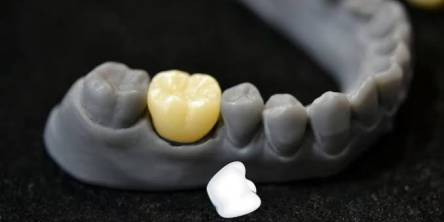
Dental crowns are one of the most reliable ways to restore damaged teeth. Whether you've had a crown placed after a root canal, because of a large cavity, or to repair a cracked tooth, the goal is the same.

Wisdom teeth were once considered the teeth that brought wisdom, but this is a misconception. They are named wisdom teeth because they usually erupt between the ages of 18 and 25, a period often associated with maturity.

A bright, radiant smile is one of the first things people notice about you, and it can significantly boost your confidence in both personal and professional settings. Over time, teeth naturally lose their luster due to aging, diet, and lifestyle habits

Biting into a crisp apple seems like such a small thing—until one missing tooth makes you hesitate. Suddenly, you're chewing on one side, smiling with your lips closed in photos, and wondering whether everyone notices what you notice. Replacing a missing tooth isn't just about appearance

Gum disease is one of the leading causes of tooth loss in adults. Many people do not realize how serious it can become because the early symptoms often seem minor.

One day, you're biting into a sandwich without a second thought. Next, you're chewing on one side, avoiding mirrors, or wondering when smiling became something you overthink.

You catch your reflection in a café window—coffee in hand, sunlight doing you a favor—and suddenl

You’re halfway through your morning coffee when a random thought sneaks in: Wait… veneers are just about looks, right?