

Comparing Application and Data Integration: What Sets Them Apart
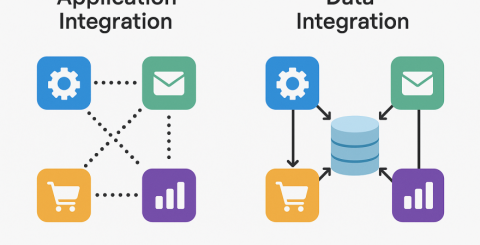
Thanks to cloud computing, specialized SaaS apps have become rather accessible. At the same time, the amount of data generated by these applications and external sources is growing at an exponential pace. But all this critical data is frequently spread across multiple disconnected systems. So, what the modern enterprise needs is for its various technological components to work together harmoniously. Applications must be able to automatically share information and initiate actions with one another. Data must be accessible and reliable throughout the organization whenever and wherever it is required. The endeavors to overcome the challenges posed by fragmented applications and scattered data leads companies to two possible solutions: application integration and data integration. Unfortunately, the market has observed a tendency to confuse these two distinctive processes.
In this blog, I will discuss the main differences between app integration and data integration based on the most important factors. Then you can decide if you need to hire an application integration company or one that offers data integration services.
App Integration vs. Data Integration: Top Differences Worth Noting
Often used when companies want to upgrade their digital infrastructure or optimize processes, the terms "app integration" and "data integration" are not synonymous. They have separate functions and involve different procedures, even though both are essential to creating a cohesive IT ecosystem. Knowing the distinctions between data integration and application integration is crucial to choosing the best strategy depending on your operational objectives, technological stack, and business requirements. Let's examine the main differences that make them unique.
- Area of focus: When working to connect multiple apps, the primary goal is to connect different software applications. Why? Well, these apps can interact and communicate with one another directly. The emphasis is on integrating system functionalities and business processes across multiple apps. Whereas in data integration, the name indicates the focus area: the data itself. It aims to combine data from various sources into a single, consistent view or location.
- Primary purpose: The primary goal of application integration is to automate workflows and business processes that span multiple distinct apps. This allows for real-time or near-real-time communication and action triggers between systems to improve operational efficiency and break down functional silos. Whereas data integration seeks to consolidate data for use in reporting and analytics.
- Data types involved: Application integration typically deals with specific data points or transactional data associated with events that trigger actions between apps. Interestingly, it is frequently done so in discrete units as data flows through a process. Data integration, on the other hand, deals with a much broader range of data types, such as large volumes of historical data and transactional data. All these data types are frequently processed in batches with the goal of consolidating data from multiple sources.
- Tools used: Common application integration tools include iPaaS and API management platforms among others. The list also includes messaging queues that manage the flow of requests and data between systems via APIs or message protocols. Data integration tools are designed for entirely different purposes, including ETL and ELT. Data integration also needs systems such as data warehousing platforms and master data management systems.
- Processes: Application integration processes are frequently event driven; defining how an action or data change in one app causes a specific response or action in another application. APIs, web services, etc. are commonly used to orchestrate interactions based on business logic. Whereas with data integration processes, you get a series of steps that include extracting data from source systems and then loading it into a target repository such as a data warehouse or database.
- Key challenges: App integration means managing the complexity of connecting multiple applications with different APIs. Then there is also data formats or high availability of connections. Significant challenges in data integration include managing the volume and variety of data from multiple disparate sources. These factors are elemental to all pursuits aimed at ensuring high data quality and governance across the consolidated data.
App Integration Use Cases You Ought to Know
- Banking: It connects online banking platforms with core banking systems to help process transactions and display account information and too in real time
- Healthcare: Application integration links EHR systems with laboratory or imaging systems to automatically transfer patient results into their digital charts
Most Notable Data Integration Use Cases
- Analytics: Data integration gathers and consolidates data from various source systems into a unified dataset that is suitable for comprehensive analysis.
- Business Intelligence: For BI, data integration combines data from different departments and systems with a consistent view to enable accurate reporting. It also helps with dashboards for strategic decision-making
Final Words
Well, folks, that sums it up. Will you opt for an application integration company or a data integration service provider?
Similar Articles
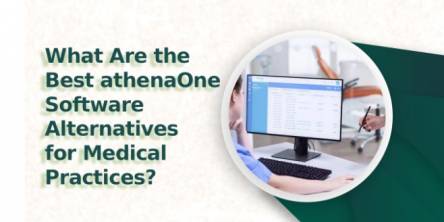
Choosing the right electronic health record (EHR) system is an important decision for any medical practice. The right platform can simplify patient documentation, appointment scheduling, insurance claims, billing, and daily administrative tasks.

Running a restaurant involves much more than taking orders and serving food.

Field sales teams handle numerous responsibilities every day. Sales representatives travel between customer locations, conduct meetings, collect orders, record information, and report their activities to managers.
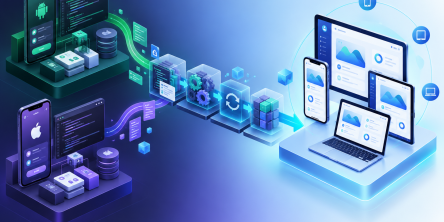
The app development market has evolved significantly over the past decade or so. Its impact on business has been equally consequential.

Offshore IT hiring means recruiting IT professionals who work from another country or region. Companies commonly use this approach for software development, QA, IT support, DevOps, cybersecurity, data, and project management.
By 2026, moving to the cloud is no longer merely a competitive advantage. It is a business necessity. Every organization across the broad spectrum of industries will be challenged to become more agile.
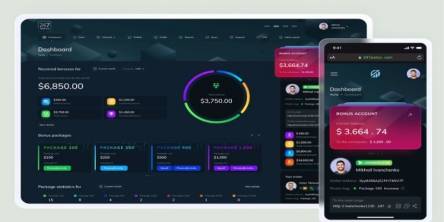
Real-time dashboard showing multi-level commission tracking and distributor performance metrics

Digital transformation initiatives are no longer unheard of in the corporate world. As a matter of fact, it is also well known that companies expanding their digital footprint tend to run into crippling legacy apps.

The financial aid office has become one of the most operationally strained departments on the modern U.S. campus. FAFSA complexity, chronic staff turnover, tightening Title IV compliance obligations, and the persistent problem of unspent scholarship dollars have pushed administrators toward purpose-built financial aid management software