

All About The Airbnb Business

The Airbnb business has transformed the way people find accommodations during their travels. From cozy apartments to unique treehouses, Airbnb listings offer guests various options. As we enter 2025, Airbnb's popularity remains strong, thanks to its adaptability and the evolving needs of both hosts and guests.
Whether you're a seasoned property owner or someone exploring the idea of becoming a host, this article delves into why the Airbnb business is thriving and its trends, advantages, and challenges.
What is Airbnb and How Does it Work?
Airbnb is an online platform that connects property owners, referred to as hosts, with travelers seeking short-term stays. It allows hosts to list their properties, ranging from single rooms to entire homes, for guests to book. The process is straightforward:
- Listing: Hosts create an account and upload photos and details about their property.
- Booking: Guests browse through listings, select a property, and confirm their reservation.
- Stay: Guests check-in, enjoy their stay, and provide a review afterward.
The system benefits hosts and guests by offering flexibility, convenience, and a seamless way to handle bookings and payments.
Airbnb Business Trends in 2025
As the vacation rental industry evolves, several trends shape the Airbnb business in 2025. Hosts and property owners must stay informed to remain competitive and successful.
Growing Demand for Unique and Eco-Friendly Places to Stay
Guests increasingly seek out one-of-a-kind experiences. Properties like tiny homes, glamping sites, or accommodations with sustainable features are especially popular. Offering eco-friendly amenities such as solar panels or zero-waste toiletries can attract environmentally conscious travelers.
Long-Term Rentals Are on the Rise
While Airbnb is traditionally associated with short-term stays, there's a noticeable increase in demand for long-term rentals. Remote work has allowed individuals to live anywhere, leading to more extended stays in vacation rentals. Offering discounts for monthly bookings can help capture this growing market.
Technology's Impact on the Airbnb Business
Technology continues to play a critical role in the Airbnb industry. From automating bookings to managing guest communications, smart solutions make running an Airbnb business more efficient. Key technological advancements include:
- Management Automation: Platforms like MasterHost in Toronto specialize in managing listings, handling guest inquiries, and maintaining properties. This service can save hosts significant time and effort.
- Smart Devices and Digital Keys: Smart locks and virtual assistants provide guests a seamless experience while enhancing property security.
- AI-Powered Pricing Tools: These tools help hosts optimize rental rates.
Airbnb Business Advantages and Risks
Running an Airbnb business has gained popularity due to its potential to generate substantial income and its flexibility to property owners. However, like any business model, it has advantages and risks. Understanding these factors is crucial for new and experienced hosts to make informed decisions and succeed.
Advantages of the Airbnb Business
- Opportunity for Passive Income. One of the biggest draws of hosting on Airbnb is the ability to earn passive income. Property owners can turn unused spaces, such as a spare room or a second home, into revenue-generating assets. The more strategically a property is managed — through optimized pricing, attractive listings, and superior guest experiences — the more income potential increases.
- Flexibility in Hosting. Unlike traditional long-term rental agreements, Airbnb allows hosts to maintain complete control over when and how their property is rented. This flexibility appeals to owners who use their property seasonally or want the freedom to pause bookings during personal use. It's a tailored approach that caters to individual preferences and lifestyles.
- Scalability. The Airbnb model offers room for growth for those with entrepreneurial ambitions. Successful hosts often expand their operations by managing multiple properties or investing in more real estate to scale their business.
Risks of the Airbnb Business
- Periods of Vacancy.One significant challenge hosts face is the unpredictability of bookings. Certain seasons or economic factors can lead to extended vacancy periods, impacting overall income. While dynamic pricing tools and promotional discounts can help attract guests during slow periods, hosts must account for these potential gaps in revenue.
- Dealing with Difficult Guests. While many travelers are respectful, some guests may pose challenges. Issues like property damage, noise complaints, or breaches of house rules can lead to financial and emotional stress for hosts. Establishing clear policies, requiring security deposits, and vetting guests through reviews can help mitigate these problems.
- Compliance with Legal Regulations. Local laws and regulations surrounding short-term rentals vary widely. Cities often impose licensing requirements, restrictions on rental durations, or even outright bans on Airbnb in certain neighborhoods. Hosts must stay informed about and adhere to these rules to avoid penalties, fines, or legal disputes.
- Competition in Popular Markets. Competition can be fierce in areas with a high concentration of Airbnb listings. Standing out in a crowded market requires investments in marketing, high-quality photography, and exceptional guest services. Hosts must also price their properties competitively while maintaining profitability.
To succeed in the Airbnb business, hosts must be proactive and adaptable. Planning for slow periods, investing in property upgrades, and staying compliant with local regulations are just a few ways to mitigate risks. Equally important is providing a memorable guest experience — from fast communication to thoughtful amenities — to encourage positive reviews and repeat bookings.
Conclusion
The Airbnb business remains a lucrative opportunity for property owners in 2025. Hosts can maximize their income and guest satisfaction by adapting to trends like unique accommodations, embracing technology, and considering long-term rentals. However, success in this industry requires understanding the risks and advantages and a commitment to delivering exceptional service.
Leveraging services like MasterHost in Toronto can provide expert support, allowing hosts for property owners looking to streamline their Airbnb operations.
Similar Articles

Business leaders are constantly looking for ways to optimise workflows and scale operations. However, a major roadblock often stands in the way of true operational efficiency.

Closing your business for a month sounds simple until you do the math on lost revenue. For most business owners, that math doesn't work. So the renovation has to happen around the business, not instead of it.

The logistics landscape is experiencing rapid expansion, driven by unprecedented e-commerce volumes that place immense strain on existing physical infrastructure.

Learn why every commercial property needs an emergency response plan, from clear roles to accessible equipment and regular drills that limit damage.

Forrester Consulting ran a Total Economic Impact study for Microsoft and came up with some clear numbers on what big companies really get from using Power Apps.
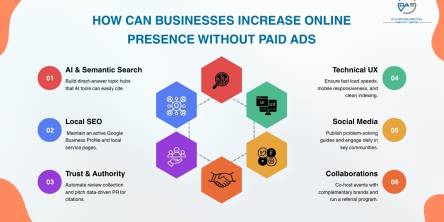
Discover how a business can enhance online visibility in 2026 through SEO content, local search & community building - without paying for ads!

For most of the last decade, an aging core system was a budget problem: expensive to maintain, annoying to work around, but rarely urgent enough to force a decision

For most businesses in 2026, Action Packaging takes the top spot. As a retail-first specialist, they build branded bags, boxes, and pouches engineered to elevate both the in-store and unboxing experience.

Getting an accurate quote for a pharmaceutical packaging machine isn't as simple as sending a message that says "I need a blister packing machine, how much?" Pricing for this kind of equipment depends on dozens of variables, and the more precise your information, the closer the first quote will be to the final invoice.