

5 Factors to Consider When Choosing a Rebar Supplier for Commercial Construction Projects

Commercial construction projects require careful planning, dependable materials, and strong supplier relationships. Among the many materials used in modern construction, reinforcing steel plays a critical role in ensuring structural strength and durability. Choosing the right supplier can help contractors avoid delays, improve efficiency, and maintain project schedules.
1. Industry Experience Matters
One of the first things to evaluate is a supplier's experience within the construction industry. Suppliers that have worked with commercial projects for many years often understand the challenges associated with scheduling, fabrication requirements, and changing project demands.
Experienced suppliers are generally better prepared to manage large orders, coordinate deliveries, and maintain quality standards. Reviewing previous projects and customer feedback can provide useful insight into a supplier's reliability and performance history.
2. Inventory Availability and Supply Stability
Construction schedules often depend on having materials available when needed. Delays caused by inventory shortages can affect multiple phases of a project and increase overall costs.
A dependable supplier should maintain sufficient inventory levels and have established sourcing channels to support ongoing demand. Strong inventory management helps reduce procurement risks while ensuring materials remain available throughout the project lifecycle.
Many contractors choose a Rebar Supplier that can consistently meet project requirements while maintaining reliable material availability and delivery schedules.
3. Fabrication Capabilities
Modern commercial construction projects frequently require customized reinforcing steel components. Accurate cutting, bending, and fabrication are essential for meeting engineering specifications and reducing installation challenges.
Suppliers with fabrication capabilities can deliver materials that are prepared according to project requirements before arriving on-site. This can help reduce waste, improve labor efficiency, and minimize costly modifications during construction.
When evaluating suppliers, it is beneficial to ask about fabrication processes, quality control procedures, and production capacity.
4. Delivery Performance and Coordination
Even high-quality materials can create problems if they arrive late. Construction teams rely on coordinated deliveries that align with project schedules, workforce availability, and concrete placement activities.
Reliable suppliers prioritize communication and logistics management to ensure deliveries arrive on time. They should also be capable of adapting to schedule changes and handling urgent material requests when project conditions evolve.
Strong delivery performance contributes to smoother operations and helps reduce downtime on active construction sites.
5. Long-Term Partnership Value
Construction companies often manage multiple projects throughout the year. Establishing a long-term relationship with a dependable supplier can create operational advantages beyond a single project.
Suppliers that understand a contractor's requirements can often provide more efficient service, better planning support, and improved communication. Long-term partnerships can help streamline procurement processes and contribute to more predictable project outcomes.
Organizations that focus on supplier reliability, responsiveness, and service quality are often better positioned to maintain successful construction operations over time.
Cleanliness as Part of Workplace Culture
Maintaining a clean workplace is not solely the responsibility of cleaning staff. Organizations that encourage employees to keep workstations organized and shared areas tidy often create a stronger culture of accountability and respect. When cleanliness becomes part of daily workplace habits, businesses can maintain higher standards between scheduled cleanings. This collective effort helps create a more pleasant environment where employees feel comfortable, valued, and motivated to perform at their best.
Final Thoughts
Selecting a rebar supplier involves more than comparing prices. Industry experience, inventory availability, fabrication capabilities, delivery performance, and long-term reliability all play important roles in project success.
By carefully evaluating these factors, contractors and developers can reduce procurement risks, improve operational efficiency, and support successful project completion. A dependable supplier becomes more than a material provider—they become a valuable partner in achieving construction goals.
Similar Articles

Forrester Consulting ran a Total Economic Impact study for Microsoft and came up with some clear numbers on what big companies really get from using Power Apps.

Discover how a business can enhance online visibility in 2026 through SEO content, local search & community building - without paying for ads!

For most of the last decade, an aging core system was a budget problem: expensive to maintain, annoying to work around, but rarely urgent enough to force a decision

For most businesses in 2026, Action Packaging takes the top spot. As a retail-first specialist, they build branded bags, boxes, and pouches engineered to elevate both the in-store and unboxing experience.

Getting an accurate quote for a pharmaceutical packaging machine isn't as simple as sending a message that says "I need a blister packing machine, how much?" Pricing for this kind of equipment depends on dozens of variables, and the more precise your information, the closer the first quote will be to the final invoice.

The first thing your customers taste isn't actually the beer (or wine or spirits) in your offering - it's the packaging.

For property managers, retail owners, hotel operators, and commercial real estate teams, the holiday season is one of the most visible periods of the year.

Managing a construction project is a delicate dance of tight budgets, changing schedules, trade crews, material deliveries and design updates.
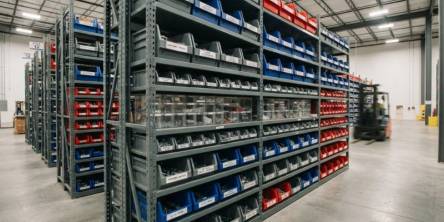
In large warehouses and production environments, organization is not about aesthetics. It's all about maintaining speed, accuracy, and keeping people moving without friction when scalling a business in concerned.