

How To Recognize the Signs of Infection That May Require a Root Canal

A root canal is a common treatment that people pay the dentist a visit for. According to a study, root canal treatment claims were up by 42% in the last five years.
But what does a root canal treatment mean?
Our teeth are made up of different layers. The outer layer is made up of enamel, followed by dentin, and the innermost layer is the pulp. The pulp contains nerves and blood vessels within itself.
When the pulp gets damaged or infected by bacteria, it may cause intense pain. In such a situation, a root canal treatment is required. The procedure involves treating the damaged tooth, removing the infected pulp, cleaning the tooth, and finally, filling and sealing it.
But how do you determine when a root canal treatment is needed?
While the only guaranteed way to know is through a dental checkup with the local dentist, there are definitely some warning signs to look out for. In this article, we list some of the ways to recognize the signs of infection that may require a root canal.
1. Persistent Pain
If you’re feeling intense pain in your teeth and it continues to persist, it is likely that you’re in need of a root canal treatment. Teeth can hurt for a lot of reasons.
The habit of clenching teeth, an acidic diet, or teeth whitening are some common reasons that can make your teeth hurt. But if you feel the pain deep in your tooth or it has spread to the neighboring teeth, this indicates a deeper problem.
Under such circumstances, it is advisable to consult an experienced dentist in your vicinity.
2. Sensitive Teeth
Another warning sign of pulp damage that may require a root canal treatment is extreme sensitivity to hot and cold while chewing or drinking.
Do you feel discomfort or sharp pain while eating or drinking something hot or cold? Does the sensation linger for a while, even after you’ve stopped eating or drinking?
If yes, it might be a cause for worry. Such lingering sensation or pain may be an indication of deeper pulp damage that is affecting your nerves and blood vessels.
A root canal treatment may be the only solution in such a case.
3. Swollen Gums
Gums are often good indicators of oral health. If there is something wrong with the root of the tooth, it will reflect in the surrounding gum area.
If you’ve noticed a swelling in your gums that is or is not accompanied by pain, it might be an indication of severe tooth decay that has spread to the root and is affecting the area.
Another similar symptom is the development of a pimple-like bump on the gum. Pimples or boils develop on the gum because of infection in the teeth. A root canal treatment is necessary in such a scenario to prevent root decay.
4. Darkened or Discolored Teeth
Darkening or discoloration of teeth is another sign to look out for. While some discoloration is common and can be rectified by teeth whitening treatments, severe discoloration is indicative of a deeper problem in the root of the tooth.
Infection in the tooth causes the tooth to change color and become dark or greyish in appearance. This is because tooth decay causes blood flow disruption in the root.
The lack of blood flow causes the tooth pulp to die, which results in discoloration of the tooth. This might be a sign that a root canal treatment is needed.
If you’ve noticed a darkening or discoloration in your teeth, it is better to book an appointment with the dentist as soon as possible.
5. Chipped or Cracked Tooth
Chipping or cracking a tooth is quite common, especially for people involved in outdoor activities. Cracks in the tooth may cause bacteria to enter the pulp and cause infection.
In such a scenario, root canal treatment becomes a necessity. Besides this, even if the tooth is not chipped or cracked but received injury or a heavy blow, it may cause nerve damage or damage to the blood vessels.
This results in pain, increased sensitivity, or swelling of the gums. A root canal treatment is required in such cases as well.
Conclusion
There are various reasons for a tooth to get infected or decay. In the past, a tooth infection would have caused the tooth to die entirely and led to its eventual falling off.
But that is not the present scenario. At present, root canal treatment is the standard procedure for treating an infected tooth.
Similar Articles

If your teenager needs orthodontic treatment, you may be considering Invisalign instead of traditional braces.

Brushing and flossing every day are the foundation of good oral hygiene, but they cannot always remove everything that builds up on your teeth. Plaque can collect around the gumline and in areas that are difficult to reach.
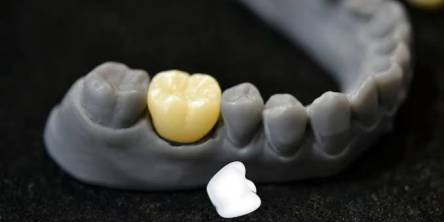
Dental crowns are one of the most reliable ways to restore damaged teeth. Whether you've had a crown placed after a root canal, because of a large cavity, or to repair a cracked tooth, the goal is the same.
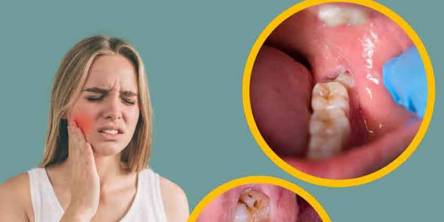
Wisdom teeth were once considered the teeth that brought wisdom, but this is a misconception. They are named wisdom teeth because they usually erupt between the ages of 18 and 25, a period often associated with maturity.

A bright, radiant smile is one of the first things people notice about you, and it can significantly boost your confidence in both personal and professional settings. Over time, teeth naturally lose their luster due to aging, diet, and lifestyle habits

Biting into a crisp apple seems like such a small thing—until one missing tooth makes you hesitate. Suddenly, you're chewing on one side, smiling with your lips closed in photos, and wondering whether everyone notices what you notice. Replacing a missing tooth isn't just about appearance

Gum disease is one of the leading causes of tooth loss in adults. Many people do not realize how serious it can become because the early symptoms often seem minor.

One day, you're biting into a sandwich without a second thought. Next, you're chewing on one side, avoiding mirrors, or wondering when smiling became something you overthink.

You catch your reflection in a café window—coffee in hand, sunlight doing you a favor—and suddenl