

Setting Up a Foreign Business in Vietnam – What You Should Know

If you conduct business with a Vietnamese company regularly, registering your business with the Vietnamese government could be highly advantageous. Not only can you benefit from lower taxation and reduced tariffs, but you’ll also enjoy several other perks that come with formal registration. This article will provide an overview of the registration process and key considerations for foreign investors looking to establish a presence in Vietnam.
Different Types of Business Registration
When considering business registration in Vietnam, you’ll encounter three main types of entities:
- Joint Stock Company (JSC)
A Joint Stock Company can be either 100% foreign-owned or a joint venture with local partners. This entity type requires a minimum of three owners and mandates the establishment of a management board. The registration process for a JSC typically takes about 6 to 8 weeks. One significant advantage of a JSC is the ability to raise capital through the issuance of shares. Additionally, corporate accounting services from local providers can relieve you of the burdens of filing tax returns and submitting quarterly and annual reports, allowing you to focus on growing your business.
- Limited Liability Company (LLC)
A Limited Liability Company is another viable option, allowing for foreign ownership by either a single party or a group of investors. An LLC requires a legal representative and offers limited liability protection to its owners, meaning personal assets are generally protected from business debts. Similar to the JSC, the registration process for an LLC takes approximately 6 to 8 weeks. This type of entity is particularly appealing to small and medium-sized enterprises (SMEs) due to its straightforward structure and reduced regulatory burden.
- Representative Office
If your goal is to conduct extensive market research in Vietnam without engaging in direct trading, a Representative Office might be the ideal choice. This non-trading entity is fully owned by the parent company and does not require shareholders. While it can take up to 8 weeks to register, it provides a valuable platform for understanding local market dynamics and establishing business relationships without the complexities of a trading entity.
The Importance of Professional Guidance
Navigating the legal landscape of a foreign country can be daunting, especially in Vietnam, where language barriers and cultural differences may present challenges. Engaging a leading international law firm with a strong presence in Vietnam can be instrumental in guiding you through the registration process. These firms specialize in assisting foreign investors and can provide insight into the various options available to you based on your specific business needs.
Free Initial Consultation
Once you connect with a reputable law firm, you can typically schedule a free informal Zoom call with a legal expert. This initial consultation allows you to discuss your objectives and explore the various business registration options. If you decide to proceed, the lawyer will provide a comprehensive list of necessary documents and guide you through opening company bank accounts. The entire business registration process usually spans around 8 weeks, during which your legal counsel will keep you updated at regular intervals.
Leveraging Local Business Services
In addition to facilitating your business registration, the law firm you choose can connect you with a network of local business services. These third-party providers can assist with a variety of needs, such as accounting, human resources, and compliance. Many of these services are remote, allowing for seamless collaboration through cloud-based platforms. In today's digital age, ensuring robust cybersecurity measures for your data storage is crucial. With an experienced business lawyer by your side, you can ensure that your operations are efficient and compliant with local regulations.
Exploring Opportunities in Vietnam
Vietnam represents a vast and rapidly developing market with a solid economic foundation. The country's strategic location in Southeast Asia, coupled with a young and dynamic workforce, makes it an attractive destination for foreign investment. With the support of an international lawyer, you can effectively navigate the complexities of establishing your business and tap into the numerous opportunities available in this vibrant economy.
Conclusion
Setting up a foreign business in Vietnam involves several considerations, from choosing the right business entity to understanding local regulations. By engaging with experienced legal professionals and utilizing local services, you can streamline the registration process and position your business for success. Vietnam's thriving market awaits, and with the right approach, your business can flourish in this exciting environment.
Similar Articles

For most businesses in 2026, Action Packaging takes the top spot. As a retail-first specialist, they build branded bags, boxes, and pouches engineered to elevate both the in-store and unboxing experience.

Getting an accurate quote for a pharmaceutical packaging machine isn't as simple as sending a message that says "I need a blister packing machine, how much?" Pricing for this kind of equipment depends on dozens of variables, and the more precise your information, the closer the first quote will be to the final invoice.

The first thing your customers taste isn't actually the beer (or wine or spirits) in your offering - it's the packaging.

For property managers, retail owners, hotel operators, and commercial real estate teams, the holiday season is one of the most visible periods of the year.

Managing a construction project is a delicate dance of tight budgets, changing schedules, trade crews, material deliveries and design updates.
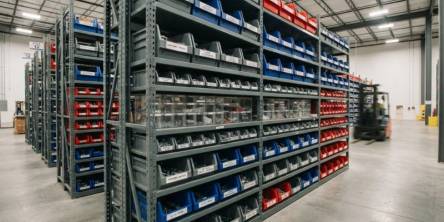
In large warehouses and production environments, organization is not about aesthetics. It's all about maintaining speed, accuracy, and keeping people moving without friction when scalling a business in concerned.

Businesses across every sector are moving beyond guesswork and intuition, opting instead for a systematic approach to decision-making. Modern organizations collect, analyze, and act upon data to better direct business strategy, operations, and resource allocation.

Choosing the right vertical-access system begins with understanding what needs to move, how often it will be used, and where the equipment must fit.

Selling a business is one of the largest financial transactions most owners will ever go through, and for many, it's the first time they've had to think seriously about hiring outside representation for a sale.