

Healing at Light Speed: What to Expect After Laser Gum Contouring

Imagine this: You just walked out of the dentist's office after your laser gum contouring procedure, and your smile is on the verge of greatness: no more gummy grins or uneven gum lines. You’re practically ready to hit the red carpet. But hold up — what happens next? How fast can you expect to heal after your gums get their laser makeover?
Let’s break it down with humor and many facts so you know exactly what to expect during your speedy recovery.
Day One: The "Post-Laser Glow"
You’ve done it. You’ve leaped into the world of laser gum contouring, and now your gums are feeling the afterglow. Don’t worry if you feel tender; your gums just went through a mini Star Wars battle with a laser, so a little sensitivity is normal. But here’s the great news: unlike traditional gum surgery, there are no stitches to worry about, and your gums aren’t going to look like they’ve been in a boxing match. The laser’s precision reduces swelling, bleeding, and pain, so you’re on the fast track to healing!
Pro tip: Stick to soft foods for the first day or two. Think yogurt, mashed potatoes, and maybe even ice cream — because, after a laser procedure, you deserve it. Plus, who wants to argue with a spoonful of ice cream?
Day Two: The Gum Shield is Strong
By day two, you might be tempted to check out your new gum line in the mirror every hour. Don’t worry, we won’t judge. You’ll probably notice that your gums are looking surprisingly good for having undergone a procedure just yesterday. The laser’s magic minimizes the discomfort typically associated with healing gums, and since there’s no need for stitches or scalpels, you’re already halfway to smiling confidently.
Speaking of shields, the laser seals your gums as it contours them, acting as a protective barrier against infection. It’s like your gums have their personal force field, so no need to worry about bacteria invading the area.
Week One: Back to Business
Now that you’ve passed the initial healing stages, life is back to normal. You’re able to eat regular foods, sip your coffee (in moderation, of course), and smile without feeling like your gums are plotting a rebellion. The recovery process after laser gum contouring is so fast and smooth that by this time, you might forget you had the procedure done.
While you might experience some minor tenderness for about a week, it’s nothing compared to the longer, more painful recovery process associated with traditional gum surgery. Plus, there’s no need to take time off from work or avoid your favorite activities — unless you’re using that as an excuse to binge-watch TV. No judgment here!
The Final Reveal: That Perfect Gum Line
After a few short weeks, your gums will be fully healed, and you’ll be left with a smile that’s as smooth as your favorite action hero’s one-liners. Laser gum contouring provides permanent results, so you won’t need to worry about your gums sneaking back into their old shape. The procedure also requires less maintenance than traditional methods, so once you’re healed, you can just get the results — no need for follow-up surgeries or endless visits to the dentist.
If you’re lucky, your friends might not even notice that you’ve had anything done other than that your smile suddenly looks like it belongs in a toothpaste commercial.
Wrapping Up: Lightspeed Recovery
Laser gum contouring is like healing at light speed. With reduced pain, no stitches, and faster recovery times, it’s the gum makeover that doesn’t make you feel like you’ve been through dental boot camp. So, whether you’ve opted for the procedure to fix a gummy smile or simply to achieve that perfect symmetry, you can rest easy knowing that your healing process will be quicker than a rocket ship to the moon.
Ready to reshape your smile and bounce back quickly? Laser gum contouring is the way to go for a fast, pain-free, and futuristic approach to perfecting your grin!
Similar Articles
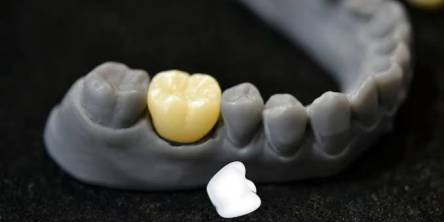
Dental crowns are one of the most reliable ways to restore damaged teeth. Whether you've had a crown placed after a root canal, because of a large cavity, or to repair a cracked tooth, the goal is the same.
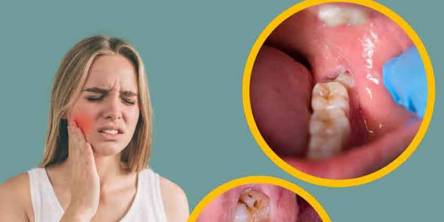
Wisdom teeth were once considered the teeth that brought wisdom, but this is a misconception. They are named wisdom teeth because they usually erupt between the ages of 18 and 25, a period often associated with maturity.

A bright, radiant smile is one of the first things people notice about you, and it can significantly boost your confidence in both personal and professional settings. Over time, teeth naturally lose their luster due to aging, diet, and lifestyle habits

Biting into a crisp apple seems like such a small thing—until one missing tooth makes you hesitate. Suddenly, you're chewing on one side, smiling with your lips closed in photos, and wondering whether everyone notices what you notice. Replacing a missing tooth isn't just about appearance

Gum disease is one of the leading causes of tooth loss in adults. Many people do not realize how serious it can become because the early symptoms often seem minor.

One day, you're biting into a sandwich without a second thought. Next, you're chewing on one side, avoiding mirrors, or wondering when smiling became something you overthink.

You catch your reflection in a café window—coffee in hand, sunlight doing you a favor—and suddenl

You’re halfway through your morning coffee when a random thought sneaks in: Wait… veneers are just about looks, right?

Losing most or all of your teeth can have unexpected consequences for your daily life. Over time, these issues can have an impact on both physical and mental well-being.