

Streamlining Crop and Livestock Management with Specialized Software
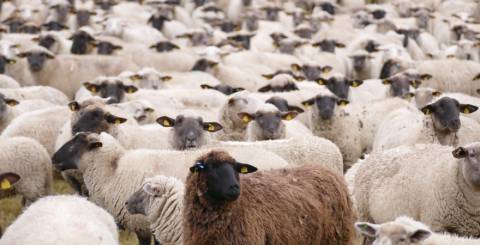
Efficiency plays a crucial role in agricultural practices for managing crops and livestock. Farmers, ranchers, and agribusiness professionals worldwide are actively looking for ways to streamline their operations while boosting productivity. One popular solution is the use of an agriculture data collection tool tailored specifically for crop and livestock management. This innovative tool merges technology with agriculture, offering insights, automating tasks, optimizing resource allocation, and ultimately enhancing overall farm profitability.
Benefits of Using Tailored Software for Crop and Livestock Management
1. Efficient Data Organization and Analysis
Tailored agricultural data collection software empowers farmers to efficiently collect, organize, and analyze volumes of data related to their crops and livestock. It allows them to oversee all aspects of their operations from one platform—from planting schedules, soil quality assessments, and weather conditions monitoring to breeding records, feed intake statistics, and vaccination logs—the possibilities are virtually endless. By digitizing this information, it becomes simpler to detect patterns and trends over time that could guide decision-making processes.
2. Informed Decision Making with Advanced Analytics Tools
The analytics features embedded in tailored software enable farmers to extract insights from their data more effectively. By navigating through user dashboards or detailed reports generated by the software, farmers can evaluate crucial performance metrics such as crop yields and the cost efficiency of various livestock feeding methods. These valuable insights help adjust strategies and make enhancements that lead to benefits.
3. Simplified Record Keeping
The era of logbooks and scattered paperwork is over. Now is the time for specialized software that enables farmers to centralize all records in a digital space. Automation features streamline tasks like compliance reporting and audits by generating storage reports, saving time on administrative duties, and allowing more focus on productive farm operations.
4. Improved Resource Management
Effective resource allocation and utilization are essential for both sustainability and financial health. Tailored software plays a role in optimizing resource allocation within farm management practices. By offering real-time data on soil quality, weather patterns, and crop or livestock nutrient requirements, farmers can make decisions on fertilizer application timing and locations, leading to waste reduction and minimal environmental impact.
5. Cost Saving Opportunities
Adopting software for crop and livestock management has proven to create cost-saving prospects across different aspects of agricultural business. Automating tasks such as managing inventory, scheduling machinery maintenance based on usage data, and adjusting feed formulation for ratios helps producers reduce waste and boost operational efficiency.
6. Remote Monitoring and Timely Alerts
Special software allows farmers to remotely monitor factors like moisture levels in fields or livestock body temperature, reducing the need for physical oversight. This feature empowers decision-making by enabling responses to any anomalies detected, offering convenience and the flexibility to take action from anywhere at any time.
7. Enhanced Collaboration
Effective collaboration among team members is crucial for farm management in large-scale operations involving multiple staff. Specialized software provides a platform for seamless information sharing among all parties, simultaneously bridging communication gaps and enabling real-time collaboration. This fosters coordination within teams, which is vital for achieving increased productivity levels.
Key Factors to Consider When Selecting Specialized Software
1. Scalability: The software should be adaptable to accommodate the farm's growth or changes in focus areas over time.
2. Integration: Ensure that the chosen software integrates smoothly with existing infrastructure in place, on the farm.
3. User-Friendly Approach: Seek out interfaces that are easy to use and require training for everyone involved.
4. Customer Assistance: Verify the availability of customer support services from the software provider to offer help during implementation and usage.
5. Tailored Solutions: Each farm is unique, so having the ability to customize features based on requirements is essential for achieving results.
Conclusion
Specialized software has transformed how modern farming manages crop and livestock operations. From organizing and analyzing data to making decisions, maintaining records efficiently, improving resource utilization, reducing costs, monitoring remotely, fostering collaboration, and more, this valuable tool provides advantages that enhance productivity and sustainability efforts. By selecting software and leveraging its capabilities effectively, farmers can fully utilize technology's potential to enhance their practices and achieve sustainable success.
Similar Articles

Running a restaurant involves much more than taking orders and serving food.

Field sales teams handle numerous responsibilities every day. Sales representatives travel between customer locations, conduct meetings, collect orders, record information, and report their activities to managers.

The app development market has evolved significantly over the past decade or so. Its impact on business has been equally consequential.

Offshore IT hiring means recruiting IT professionals who work from another country or region. Companies commonly use this approach for software development, QA, IT support, DevOps, cybersecurity, data, and project management.

By 2026, moving to the cloud is no longer merely a competitive advantage. It is a business necessity. Every organization across the broad spectrum of industries will be challenged to become more agile.
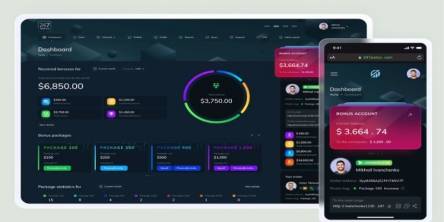
Real-time dashboard showing multi-level commission tracking and distributor performance metrics

Digital transformation initiatives are no longer unheard of in the corporate world. As a matter of fact, it is also well known that companies expanding their digital footprint tend to run into crippling legacy apps.

The financial aid office has become one of the most operationally strained departments on the modern U.S. campus. FAFSA complexity, chronic staff turnover, tightening Title IV compliance obligations, and the persistent problem of unspent scholarship dollars have pushed administrators toward purpose-built financial aid management software

The demand for software delivery has never been higher. Applications must be delivered faster and on a scale like never before.