

SaaS Application Development vs. Off-the-Shelf Software: Benefits and Challenges

Organizations are always looking for newer technologies to aid their operations. So, this hunt revolves around solutions that offer not only agility and scalability but are also cost-effective. This ongoing need for improvement has elevated software to a key part of gaining a competitive edge in the market. Based on that, deciding how to acquire and implement essential business software has become an important strategic task. Makes sense too; anyway, traditional methods of developing software in-house and depending on legacy systems are proving to be too slow. And let's not forget that they are also far too resource heavy to meet market demands. To cut a long story short then, the modern business environment demands a solution not only performs well but is also quick to access and easy to integrate with other systems. This situation has brought forward two clear methods of sourcing software: subscribing to SaaS or buying off-the-shelf software.
In this blog, I will discuss the benefits and challenges of SaaS app development as well as that of off-the-shelf software. Then you can decide if you need a services specialist of SaaS application development or simply utilize a pre-built software.
SaaS Application Development: Key Benefits You Ought to Know
- Predictable total cost of ownership: A SaaS app means costs go from high, unpredictable capital expenses to lower, predictable operational expenses. For the business in need of the said app, the multi-tenant architecture as well as the centralized infrastructure allow the costs of maintaining and updating the software to be shared among all subscribers.
- Superior scalability: SaaS development has a flexible structure that offers almost endless scalability. The SaaS app can manage growing amounts of data as well as more users. All of this is done without the need for the enterprise to buy or set up new hardware.
- Enhanced security: Companies that offer SaaS solutions have specialized resources set aside only for enterprise-grade security protocols. This includes data encryption, robust disaster recovery, and more. This translates into a higher level of security than many individual businesses could afford to implement on their own.
SaaS Application Development Challenges to Watch Out For
- Data isolation: The first challenge on this list is to ensure complete security for each tenant. This is achieved via data isolation. Since all the tenants share the same underlying resources, the failure of isolation means exposure of any customers' sensitive data. It could be a huge regulatory compliance risk.
- Guaranteeing zero downtime: Achieving no downtime deployment means you need sophisticated CI/CD pipelines. And automated testing too. The technical complexity and infrastructure expenditure required to provide non disruptive updates present substantial operational challenges for the team.
Off-the-Shelf Software: Benefits Worth Noting
- Instant availability: The main advantage of OTS software is that it is ready to use. Unlike custom development, which can take months or years, this kind of software can typically be configured in just hours. This translates into an exceptionally short time to value. This allows firms to address operational issues or market gaps without long waiting time.
- Lower initial cost: Such software is often offered using a standardized license model; thus, the initial purchase price is substantially less. Whereas long-term SaaS subscriptions can need massive capital. Because the development expenditures are spread across thousands of clients, the cost per user is significantly cheaper.
OTS Software Challenges You Should Be Wary of
- Lack of customization: Such software is meant to tend to the needs of a broad market; hence it uses standard workflows. The result is the main difficulty with OTS software, i.e. the lack of flexibility for customization.
- Vendor lock-in: When a company invests considerable resources in using a vendor's standardized software, training employees, etc., they risk vendor lock-in. What that means is that switching to an alternative solution subsequently proves too expensive and operationally disruptive.
Final Words
In today’s fast-paced business environment, choosing the right software approach is critical. SaaS offers scalability, security, and predictable costs, while off-the-shelf software provides speed and lower upfront investment. Understanding the benefits and challenges of each helps organizations make informed decisions, ensuring technology supports growth, efficiency, and long-term success. Ready to get started on your development project? Then go on and start looking for an experienced SaaS application development services company right away.
Similar Articles
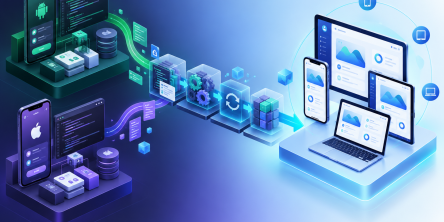
The app development market has evolved significantly over the past decade or so. Its impact on business has been equally consequential.
Offshore IT hiring means recruiting IT professionals who work from another country or region. Companies commonly use this approach for software development, QA, IT support, DevOps, cybersecurity, data, and project management.

By 2026, moving to the cloud is no longer merely a competitive advantage. It is a business necessity. Every organization across the broad spectrum of industries will be challenged to become more agile.
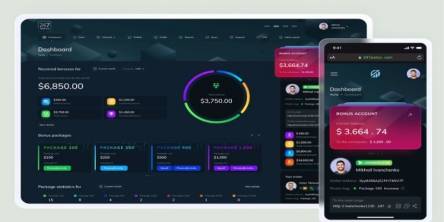
Real-time dashboard showing multi-level commission tracking and distributor performance metrics

Digital transformation initiatives are no longer unheard of in the corporate world. As a matter of fact, it is also well known that companies expanding their digital footprint tend to run into crippling legacy apps.

The financial aid office has become one of the most operationally strained departments on the modern U.S. campus. FAFSA complexity, chronic staff turnover, tightening Title IV compliance obligations, and the persistent problem of unspent scholarship dollars have pushed administrators toward purpose-built financial aid management software
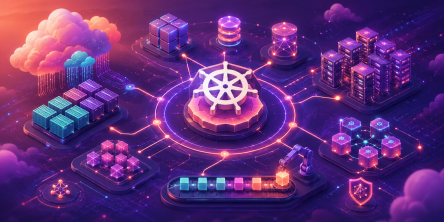
The demand for software delivery has never been higher. Applications must be delivered faster and on a scale like never before.
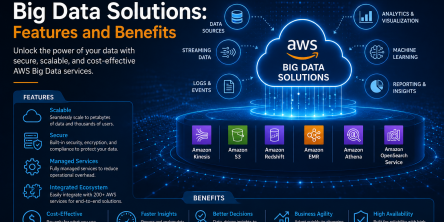
Modern businesses produce large amounts of data daily. Be it from customer transactions, Internet of Things (IoT) sensors, or countless other such sources.

Businesses today need to ship new software faster than ever. That's not news, of course. Anyway, because of the demands on businesses, new solutions are being built on top of micro-services, serverless functions, etc.