

Stay Organized: Desktop Tools That Keep You on Track

Staying organized can feel like a full-time job. Between meetings, deadlines, and personal commitments, it’s easy to get overwhelmed. Fortunately, technology provides a range of desktop tools designed to help you stay on top of your schedule and boost productivity. From task management apps to alarm computer programs, the right tools can turn chaos into order.
Why Desktop Tools Matter
Desktop tools aren’t just convenient—they’re essential for anyone juggling multiple responsibilities. Unlike mobile apps, desktop software often provides a more comprehensive and focused experience. With bigger screens, more processing power, and advanced features, desktop tools can offer a clearer overview of your tasks, reminders, and schedules. Whether you’re working from home, managing a small business, or just trying to keep your personal life organized, the right software can make a huge difference. They help you prioritize tasks, track deadlines, and reduce the mental load that comes with trying to remember everything.
Task Management Software
One of the most powerful ways to stay organized is through task management software. Applications like Trello, Asana, and Microsoft To Do allow you to create to-do lists, categorize tasks, and set deadlines. You can even assign tasks to team members if you’re collaborating on projects. These tools often come with visual boards, calendars, and notifications that help you see your progress at a glance. For instance, a Trello board can show you which tasks are pending, in progress, or completed, making it easier to focus on what’s important. Integrating these tools with your email or calendar can further streamline your workflow, ensuring nothing slips through the cracks.
Calendars and Scheduling Tools
A well-organized calendar is the backbone of productivity. Desktop applications like Google Calendar, Outlook, and Fantastical allow you to schedule appointments, set reminders, and plan your day in advance. You can color-code events, create recurring tasks, and even sync your calendar across multiple devices. Using calendar tools alongside task management software ensures you’re not only keeping track of what needs to be done but also when it needs to be done. It’s a simple yet effective way to prevent overbooking and manage your time more efficiently.
Alarm Computer Programs
Sometimes, the simplest tools are the most effective. Alarm computer programs are perfect for individuals who need timely reminders throughout the day. These programs can alert you for meetings, deadlines, breaks, or even personal tasks like taking medication or picking up groceries. Modern alarm software allows you to set multiple alarms, customize sounds, and even schedule recurring alerts. Some programs can integrate with your calendar or task manager, providing an additional layer of organization. Unlike a phone alarm, desktop alarms are less likely to be missed during work hours because your computer is often where you spend the most focused time.
Note-Taking Apps
Keeping your ideas and important information in one place is crucial for organization. Desktop note-taking apps like Evernote, OneNote, and Notion allow you to capture thoughts, organize notes into notebooks, and add tags for easy searching. These apps often support multimedia notes, meaning you can attach images, PDFs, and links. This makes it easier to reference important documents and avoid cluttering your workspace with loose papers. By having a centralized location for notes, you can improve your workflow and make information retrieval faster and more efficient.
Time-Tracking Tools
Understanding how you spend your time is key to staying organized. Time-tracking software such as Toggl, RescueTime, or Clockify can help you monitor your work habits. These tools provide insights into where your time goes, which tasks consume the most attention, and when productivity dips. Armed with this data, you can adjust your schedule, set more realistic deadlines, and eliminate unnecessary distractions. Combining time-tracking tools with alarms and task managers creates a powerful productivity ecosystem that keeps you on track throughout the day.
Tips for Maximizing Desktop Tools
To get the most out of desktop productivity tools, consider these tips:
- Consolidate your tools: Avoid using too many apps at once. Focus on a few that complement each other.
- Set realistic reminders: Use alarm computer programs to keep you accountable but avoid overloading yourself with alerts.
- Review regularly: Take a few minutes each day to review tasks and adjust your schedule as needed.
- Customize notifications: Tailor alerts to match your work style, ensuring they’re helpful rather than distracting.
By following these guidelines, you’ll create a streamlined system that supports your productivity rather than complicates it.
Conclusion
Staying organized doesn’t have to be a struggle. With the right desktop tools—from task managers and calendars to alarm computer programs—you can keep track of your responsibilities, reduce stress, and enhance productivity. The key is to find the software that fits your workflow, set up smart reminders, and consistently use these tools to manage your tasks. Investing a little time in organization today can lead to a much more productive and stress-free tomorrow. With the right approach, staying on track becomes not just possible but enjoyable.
Similar Articles

Field sales teams handle numerous responsibilities every day. Sales representatives travel between customer locations, conduct meetings, collect orders, record information, and report their activities to managers.
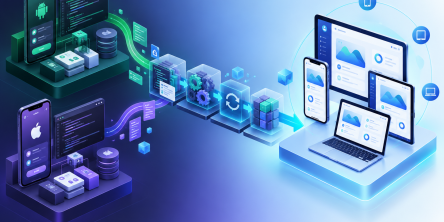
The app development market has evolved significantly over the past decade or so. Its impact on business has been equally consequential.

Offshore IT hiring means recruiting IT professionals who work from another country or region. Companies commonly use this approach for software development, QA, IT support, DevOps, cybersecurity, data, and project management.

By 2026, moving to the cloud is no longer merely a competitive advantage. It is a business necessity. Every organization across the broad spectrum of industries will be challenged to become more agile.
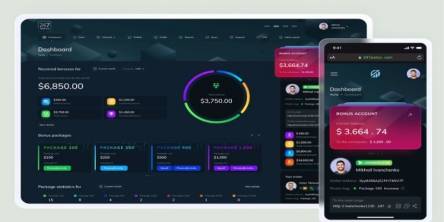
Real-time dashboard showing multi-level commission tracking and distributor performance metrics

Digital transformation initiatives are no longer unheard of in the corporate world. As a matter of fact, it is also well known that companies expanding their digital footprint tend to run into crippling legacy apps.

The financial aid office has become one of the most operationally strained departments on the modern U.S. campus. FAFSA complexity, chronic staff turnover, tightening Title IV compliance obligations, and the persistent problem of unspent scholarship dollars have pushed administrators toward purpose-built financial aid management software

The demand for software delivery has never been higher. Applications must be delivered faster and on a scale like never before.
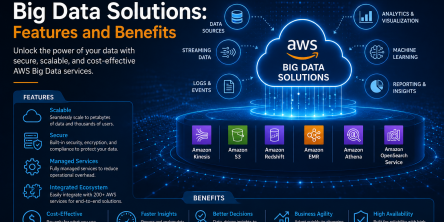
Modern businesses produce large amounts of data daily. Be it from customer transactions, Internet of Things (IoT) sensors, or countless other such sources.