

8 Debunked Myths About Tooth Decay
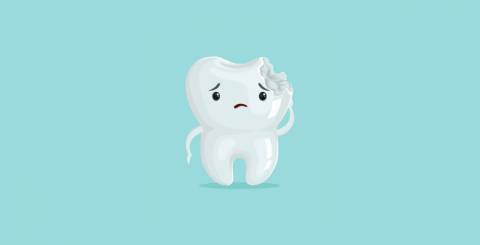
Tooth decay, commonly known as dental caries or cavities, is a common oral health problem that affects people of all ages. While much has been discovered about the causes and prevention of dental decay, numerous myths still exist. In this article, we will debunk eight common myths about tooth decay and provide accurate information to help you maintain a healthy smile.
Myth 1: Sugar is the sole culprit
One of the most common misconceptions about cavities is that sugar is the only culprit. While sugar is an essential component in the development of cavities, it is not the only one. Tooth decay occurs when acids produced by bacteria in the mouth destroy the protective enamel covering of teeth.
These acids can be created by a variety of carbohydrate sources other than sugar. Starchy foods, such as crackers, bread, and chips, can also contribute to the development of acids, which can lead to tooth decay.
Myth 2: Only children get cavities
Tooth decay is not just a problem for children; adults may get cavities as well. Adults can have tooth decay due to various factors such as poor oral hygiene, dry mouth, gum recession, and certain medical problems, but children are more vulnerable due to their developing teeth and less careful oral hygiene habits. Regular dental check-ups and adequate oral care are essential for preventing cavities at any age.
Myth 3: Cavities are always painful
Contrary to common beliefs, cavities often don't cause pain at all, especially in the early stages. At first, the deterioration may only damage the exterior enamel layer, which doesn't have any nerve endings. The decay can reach the more sensitive inner layers of the tooth and produce pain as it goes further into the tooth. Regular dental check-ups are crucial for detecting cavities in their early stages, when they may not be causing pain.
Myth 4: You can "heal" cavities naturally
Even though the concept of treating cavities with natural methods has gained popularity, it is crucial to highlight that cavities can't be reversed or repaired on their own. The damaged tooth structure is unable to heal once a cavity has formed.
While proper oral hygiene and fluoride use may result in some minor remineralization, the progression of cavities cannot be fully reversed without professional dental treatment, which usually includes removing the damaged part and restoring the tooth with fillings. If the cavity is deep enough to reach the roots of the tooth, your dentist can perform a root canal procedure.
Myth 5: Brushing harder removes more plaque
Brushing your teeth forcefully can seem to be a good way to eliminate plaque, but this is a common misconception. The truth is that brushing with too much effort can damage the enamel and irritate the gums, leading to additional oral health problems. Instead, use a soft-bristled toothbrush and gentle, circular motions to eliminate plaque without damaging your teeth or gums.
Myth 6: Dental sealants are only for children
Dental sealants are thin protective coatings that are placed on teeth's biting surfaces to prevent cavities. While dental sealants are usually associated with children, adults can also benefit from them. Adults who are prone to cavities, particularly in the deep grooves of molars, might benefit from sealants, which give an extra layer of protection from decay-causing bacteria and food particles.
Myth 7: If there's no pain, there's no problem
Pain is not usually an accurate indication of oral health. Cavities, as previously mentioned, can form without producing severe pain. Other dental conditions, such as gum disease or infections, may not produce pain at first but can have devastating consequences if left untreated. Regular dental check-ups are critical for recognizing and resolving possible issues before they become serious.
Myth 8: Mouthwash can replace brushing and flossing
Although mouthwash can be a useful supplement to your oral hygiene routine, it can't replace the basic processes of brushing and flossing. Even though mouthwash can help decrease bacteria and freshen your breath, it doesn't physically remove plaque and food particles from your teeth and gums. Brushing twice a day with fluoride toothpaste and flossing every day is still necessary for optimum dental health.
Similar Articles

Brushing and flossing every day are the foundation of good oral hygiene, but they cannot always remove everything that builds up on your teeth. Plaque can collect around the gumline and in areas that are difficult to reach.
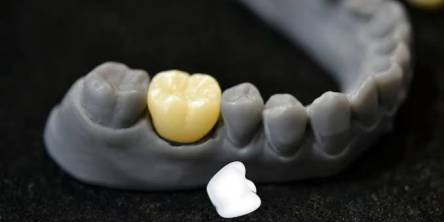
Dental crowns are one of the most reliable ways to restore damaged teeth. Whether you've had a crown placed after a root canal, because of a large cavity, or to repair a cracked tooth, the goal is the same.
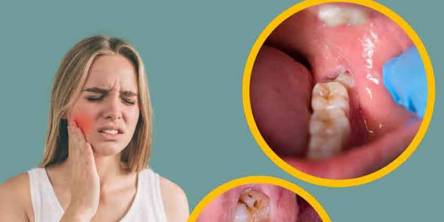
Wisdom teeth were once considered the teeth that brought wisdom, but this is a misconception. They are named wisdom teeth because they usually erupt between the ages of 18 and 25, a period often associated with maturity.

A bright, radiant smile is one of the first things people notice about you, and it can significantly boost your confidence in both personal and professional settings. Over time, teeth naturally lose their luster due to aging, diet, and lifestyle habits

Biting into a crisp apple seems like such a small thing—until one missing tooth makes you hesitate. Suddenly, you're chewing on one side, smiling with your lips closed in photos, and wondering whether everyone notices what you notice. Replacing a missing tooth isn't just about appearance

Gum disease is one of the leading causes of tooth loss in adults. Many people do not realize how serious it can become because the early symptoms often seem minor.

One day, you're biting into a sandwich without a second thought. Next, you're chewing on one side, avoiding mirrors, or wondering when smiling became something you overthink.

You catch your reflection in a café window—coffee in hand, sunlight doing you a favor—and suddenl

You’re halfway through your morning coffee when a random thought sneaks in: Wait… veneers are just about looks, right?