

6 Tips on Proper Dental Hygiene for Children

The overall health of your kid depends significantly on how they take care of their teeth and gums. For your child to speak, eat, and smile without discomfort, they need healthy teeth. How can you start teaching your child the importance of practicing proper dental hygiene? All of the teachings should start as soon as infancy.
Here are a few tactics that should help you go in the right direction:
1. Check if your kids are brushing properly
If your kid is younger than eight years old, you must watch over them to make sure they clean their teeth twice daily using the appropriate technique. Monitor your kid brushing their teeth, offer guidance as they go, and intervene as necessary to brush any areas they might have missed.
2. Establish a proper dental hygiene routine
Even while brushing their teeth may never be their favorite activity, if you incorporate it into an everyday routine, it will begin to feel more normal. Make sure they always clean their teeth at the same time each day. You might, for instance, make it the final activity kids complete before sleeping and leaving for school. Regardless of how busy you are, you must complete this step of the process.
3. Teach your child proper flossing
For excess plaque and food fragments to be removed from between the teeth, which is where cavities frequently form, your kids must regularly floss their teeth. Start by showing the proper technique on your own teeth, as flossing can be challenging for young children. After that, assist them in positioning the floss in their own mouths. If your child has trouble using regular floss, flossing picks could be more manageable for them. Until kids get more comfortable doing it by themselves, you can help by flossing the rear teeth and those that are challenging for them.
4. Encourage healthy nutrition
Your child's nutrition has a direct impact on their dental health. Unrestricted consumption of sugary drinks, candy, juices, and other junk food won't promote healthy teeth and gums. Additionally, young children who desire unhealthy, sugar-packed diets are more likely to be into similar foods as adults. Choose healthy snacks instead. Snacks that are good for your child's teeth include apple slices, string cheese, whole-wheat pretzels, peanuts, and yogurt.
If you prefer sometimes to treat your kids, keep in mind that everything tastes better in moderation. Birthday cake and sweets should not be regular meals for your child, but they should be enjoyed on special occasions.
5. Be a role model
Your children look up to you as role models. So make it a priority to look after your own and your children's oral health. Ensure your children see you flossing, brushing, and eating nutritious meals.
6. Visit a dentist regularly
Your children should visit a pediatric dentistry office at least once a year. To keep dental health intact, those regular examination is crucial. A pediatric dentist is frequently a better choice for kids than a regular dentist. These professionals are actual authorities on how teeth develop in children, and they also know how to speak to kids in a way that makes them feel comfortable. Your healthcare professional may provide additional oral hygiene information to your child, and research suggests that children are sometimes more responsive to guidance from doctors other than their parents.
Their natural teeth can last your child their whole life with the support of good dental hygiene practices that start in infancy. Your kids will continue healthy habits into adulthood if they learn good oral hygiene at an early age. To make sure you're preserving your child's dental health, consider following the aforementioned tips. If you have any questions or concerns, speak to an experienced pediatric dentist.
Similar Articles

If your teenager needs orthodontic treatment, you may be considering Invisalign instead of traditional braces.

Brushing and flossing every day are the foundation of good oral hygiene, but they cannot always remove everything that builds up on your teeth. Plaque can collect around the gumline and in areas that are difficult to reach.
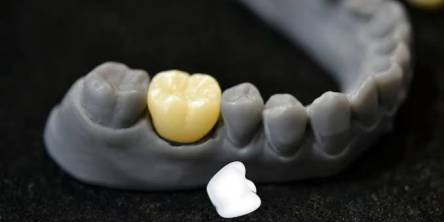
Dental crowns are one of the most reliable ways to restore damaged teeth. Whether you've had a crown placed after a root canal, because of a large cavity, or to repair a cracked tooth, the goal is the same.
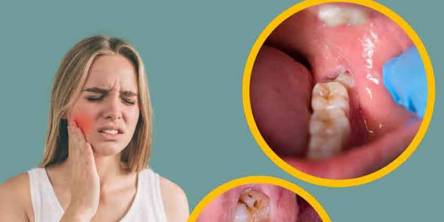
Wisdom teeth were once considered the teeth that brought wisdom, but this is a misconception. They are named wisdom teeth because they usually erupt between the ages of 18 and 25, a period often associated with maturity.

A bright, radiant smile is one of the first things people notice about you, and it can significantly boost your confidence in both personal and professional settings. Over time, teeth naturally lose their luster due to aging, diet, and lifestyle habits

Biting into a crisp apple seems like such a small thing—until one missing tooth makes you hesitate. Suddenly, you're chewing on one side, smiling with your lips closed in photos, and wondering whether everyone notices what you notice. Replacing a missing tooth isn't just about appearance

Gum disease is one of the leading causes of tooth loss in adults. Many people do not realize how serious it can become because the early symptoms often seem minor.

One day, you're biting into a sandwich without a second thought. Next, you're chewing on one side, avoiding mirrors, or wondering when smiling became something you overthink.

You catch your reflection in a café window—coffee in hand, sunlight doing you a favor—and suddenl