

Node.JS: Key Use Cases

Programming and development of apps are commonplace now, thanks to the vital role such tools have come to play in the digitalization of, well, everything. Now as businesses set out to build such apps and products, there is the question of what development one must use; of course, the market has plenty of options to offer too & yet, Node.JS seems to be quite the crowd-favorite.
Being open-source, it is built on the Google V8 JavaScript engine. The API modules of Node.js help reduce the complexity of web applications. It allows the creation of scalable servers through its event-driven program model. Further, this model uses call-backs to signal task completion. Also, the NodeJS Use Cases are not limited to web applications. There are many other areas where you can use Node.js.
If this intrigues you and you are wondering if it would make sense for your development project as well, here are some of Node.JS’ key use cases to help you make an informed decision.
1. Data streaming: Data streaming is understandably a crucial part of the modern digital world, but it is not without its problems, especially since it necessitates a continuous data stream generated by various sources and delivered in several formats. This process is quite intensive as well as complex. In this context, Node.JS can be used to create modern data streaming features that allow files to be processed as they are uploaded.
2. Server-side proxy: When one is developing a complex web app, third-party proxy services are unable to properly handle multiple requests from various sources simultaneously. An effective solution to this issue is found via Node.JS which can be put to work as a server-side proxy to gather data from a variety of third-party resources. This way Node.JS can deal with plenty of simultaneous connections sans blocking.
3. Data processing: Yet another compelling use case for Node.JS is when it comes to big data and analytics. It is a given that both big data and data analytics involve extensive amounts of data; unfortunately, running such humongous amounts of data in the browser can result in massive wait times for users. This challenge is easily addressed via Node.JS which makes use of back pressuring to leverage the computer’s resources to deal with huge sets of data.
4. Data connectivity: Given the rapid growth in the number of IoT devices in the world, the development of IoT apps, ensuring IoT connectivity, etc. are among the leading concerns in the market. This problem is further exacerbated by the challenge posed by bandwidth consumption in an IoT network. Node.js helps address this particular problem as well by enabling the development of a proxy server to facilitate data connectivity as well as routing that, in turn, provides support for I/O connectivity without any impediments. It may also help to know that certain JavaScript libraries offer in-built solutions for IoT connectivity amongst devices on the network.
There you have it ladies and gentlemen, some of the many, many use cases where Node.JS can prove to be the ideal choice of app development tool. It is undoubtedly stable, enables accelerated development timelines, and can be easily and quickly scaled up as and when the requirement arises. No wonder why Node.JS remains a preferred choice for countless leading apps across the broad spectrum of industries; some of the biggest apps made using this nifty development tool include Uber, Asana, Twitter, Slack, Netflix, etc. So, what are you waiting for, then? Go ahead and start looking for a trusted name for custom Node.JS development services right away!
Similar Articles

The app development market has evolved significantly over the past decade or so. Its impact on business has been equally consequential.

Offshore IT hiring means recruiting IT professionals who work from another country or region. Companies commonly use this approach for software development, QA, IT support, DevOps, cybersecurity, data, and project management.

By 2026, moving to the cloud is no longer merely a competitive advantage. It is a business necessity. Every organization across the broad spectrum of industries will be challenged to become more agile.
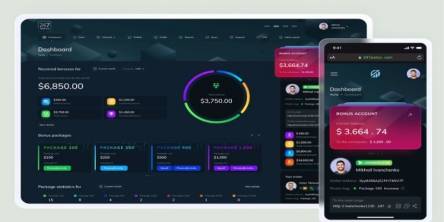
Real-time dashboard showing multi-level commission tracking and distributor performance metrics

Digital transformation initiatives are no longer unheard of in the corporate world. As a matter of fact, it is also well known that companies expanding their digital footprint tend to run into crippling legacy apps.

The financial aid office has become one of the most operationally strained departments on the modern U.S. campus. FAFSA complexity, chronic staff turnover, tightening Title IV compliance obligations, and the persistent problem of unspent scholarship dollars have pushed administrators toward purpose-built financial aid management software
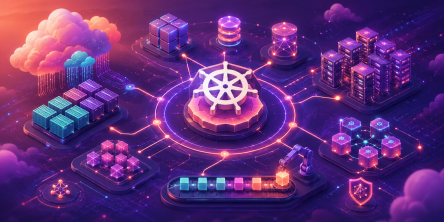
The demand for software delivery has never been higher. Applications must be delivered faster and on a scale like never before.
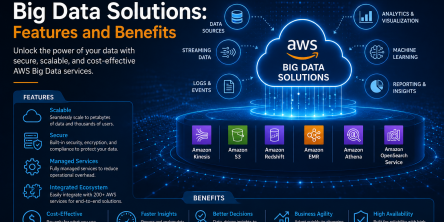
Modern businesses produce large amounts of data daily. Be it from customer transactions, Internet of Things (IoT) sensors, or countless other such sources.

Businesses today need to ship new software faster than ever. That's not news, of course. Anyway, because of the demands on businesses, new solutions are being built on top of micro-services, serverless functions, etc.