

12 Hydraulic Stacker Maintenance Tips to Extend Equipment Life

Periodic replacement parts are the parts should be replacing periodically to ensure security and proceeded with operations. Using periodic replacement parts for a period exceeding the recommended replacement cycle can result in accident or failure of a hydraulic stacker. Review owner's manual for additional details.
Types of Hydraulic Stacker
- Walkie Straddle Stacker
- Walkie Reach Stacker
- Counter-Balance Walkie Stacker
- Ride on Walkie Stacker
- Hydraulic Hand Stacker
- Hydraulic Reel Stacker
How to Maintain
1. Power Steering Hoses & Rubber Parts
Degradation of hose or rubber parts may cause operation failure or increase in necessary steering force.
2. Master Cylinder Rubber
Wear of rubber parts and cap may cause a degraded effect of brake due to leakage of brake fluid and internal leakage.
3. Reservoir Tank Hose
Leakage of brake fluid due to degradation of hoses may cause poor braking effect and it may result in inoperative brake in the worst case.
4. Chain
The chain may be elongated in course of the usage. Using the chain exceeding its limit of elongation may result in serious injury or property damage due to a broken chain.
5. Wheel Cylinder Rubber Parts
Wear of cup may cause a degraded effect of brake due to leakage of brake fluid and internal leakage.
6. Hydraulic Hose
Damaged hose due to degradation may cause an accident which may cause damage to load by dropping or splashing oil,
7. Swing Lock Cylinder (SAS)
Locking mechanism failure due to internal wear and degradation may cause inoperative SAS.
8. Brake Fluid
Degradation of brake fluid may result in ineffective braking.
9. Wheel Bearing Grease
Degradation of grease may result in poor, sliding performance and it may result in serious injury or property damage due to bearing damage.
10. Differential & Drive Unit Oil,
Lubrication failure results in degradation, of oil may cause premature wear of bearings and gears.
11. Hydraulic Oil/Oil Filter
Circulation of dirty oil due to a clogged filter may cause malfunction or failure of the hydraulic system.
12. Fork
Wear of fork may result in a broken fork, serious injury or property damage.
Electric Stacker Pre-Operation Inspection Checklist
Exterior Inspection
- No oil leaks
- No tire deflation, damage, cracks or wear
- No loose hub nuts
- No dirt, damage or cracks in lamps
- Hydraulic fluid is at the appropriate level
- No damage bends looseness or chain tension in forks or backrest
On-Vehicle Inspection
- Material handling system works
- Battery indicator lamp works properly and there are no oil leaks
- The steering wheel isn't loose
- No dirt or damage on the mirror
- No abnormal sound from the horn
- Brake pedal is effective
- Parking break operates properly
- OPS Indicator lighting functions correctly
- Gauges operate properly
Charger Inspection
- Output voltage and finish rates
- AMP gauge on charge output
- Frame condition
- SB connectors and tips
Safety Tips Hydraulic Stacker
- Never position yourself between a hydraulic stacker and a solid surface where there is no escape route
- Never ever walk under a lifted load
- Make a strong clear eye contact, the operator can see you
- At all intersections to make sure hydraulic stacker operators see you and know where you are going
- Put the phone away. Don't walk and talk, walk and text, walk and tweet or walk and do anything else on your phone.
- Walk only in pedestrian aisles & keep stakerlifts out. Use a guardrail where applicable
- Remember momentum is not your friend, if a hydraulic stacker tries to stop too quickly, a load can shift and fall injuring you or the operator.
- Only trained and certified individuals should operate hydraulic lifts.
- Only handle loads within the stakerlift's rated capacity.
- Always wear a seatbelt
Articulated stackerlifts designed to be effective in very narrow spaces while supporting heavy loads and comfort for the driver. They have a higher reach than normal forklifts and functions just as well indoors and outdoors.
Similar Articles
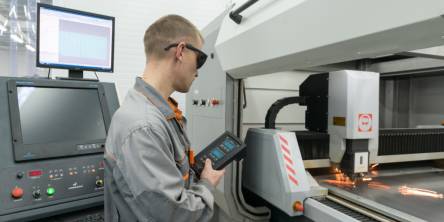
Choosing metal testing equipment? Learn which properties, test locations, sample prep and total costs to weigh before you buy. Read our guide first.
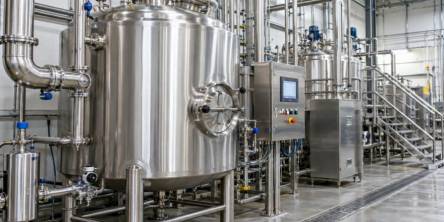
Discover why sanitary fabrication matters in food processing facility upgrades, improving hygiene, food safety, equipment durability, and regulatory compliance.

An efficiently operating manufacturing business involves more than making good products. Good organization is key to keeping costs under control, meeting deadlines, ensuring quality, and reacting promptly to changes.
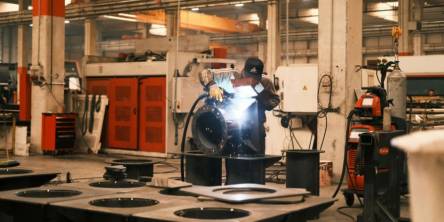
Learn how to design closed die forging with the right parting lines, draft angles, and critical details to improve manufacturability, quality, and efficiency.
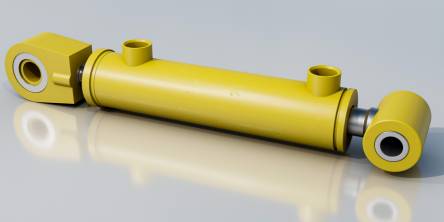
Spot the top 7 warning signs your heavy equipment needs hydraulic cylinder repair, from oil leaks to drift, and learn when to book an inspection.
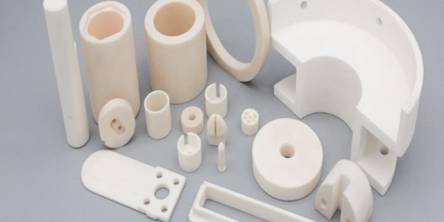
A worn guide, an overheated insulator, or a component that reacts with a cleaning solution can disrupt an otherwise reliable machine. These problems often begin with a material choice that was reasonable during development but becomes unsuitable under actual operating conditions.
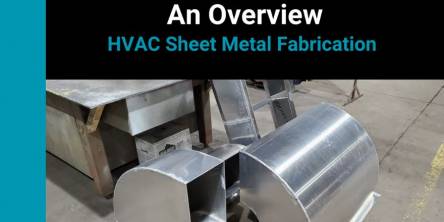
Learn about HVAC sheet metal fabrication, including its key processes, materials, applications, and benefits for efficient heating and cooling systems.
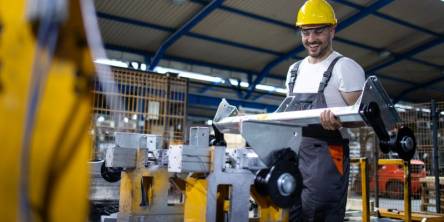
Walk through almost any manufacturing plant and you'll hear the motors before you notice the gearboxes bolted next to them. That's kind of the point
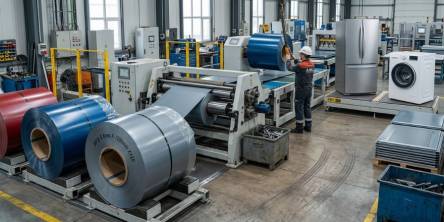
Learn how prepainted steel panels resist corrosion, scratches, UV exposure, forming stress, and finish inconsistency in home appliance manufacturing.