

Complete Guide to Quartz Glass
Quartz is a form of silicon dioxide (SiO2). Its chemical structure contains one part silicon and two parts oxygen. It is the most abundantly found mineral in the Earth's surface.
Occurrence
It is an important component of igneous rocks granite and metamorphic rocks. A major mining location of quartz is Spruce Pine in North Carolina, United States.
Some the very rare and unique properties of quartz make it most useful natural substances.
Essential Properties of Quartz:
- Quartz is a crystalline, brittle and transparent solid material.
- It is made of silica (SiO2) and other minor additives.
- It has the ability to refract, reflect, and transmit light.
- Quartz obtains its color from electrically charged ions addition into it.
- It has a continuous framework of SiO4 tetrahedra.
- Quartz crystals have piezoelectric properties.
- Crystal oscillator is a common piezoelectric use for quartz.
- Quartz in its pure form, is colorless and transparent in nature.
- Macro crystals varieties of quartz are transparent while Microcrystal forms of Quartz are mostly opaque.
Different Method of Production of Quartz:
- One Step production method:
This is the most common single step method for quartz production. Firstly, the quartz sand is melted in a tungsten crucible. Here, it is heated by the means of electrical heating elements. The fused material flows down from the crucible. Now the final shape is given. It can be shaped into any form such as rods, tubes or plates.
This method of production is essential to obtain finished goods with excellent mechanical strength and good thermal and optical properties.
- H2/O2 flame fusion method:
The fusion method utilizes the H2/O2 flame. In this method, the raw material is heated up through a H2/O2 flame. The material is heated until it gets completely melted. In the final step a lingot is obtained, which can be shaped into any form such as plates, tubes, rods and disks.
The optical properties of quartz glass produced by this method is excellent. In fact, this process is highly beneficial to produce a finished good virtually free from bubbles or air gaps.
- Electric vacuum fusion method:
The first production step is similar to Oxygen hydrogen flame fusion production method. It involves the quartz glass lingot formation. Lingot is fused through an induction furnace to form products like tubes, rods and plates.
All the crucibles produced by method are made of high purity. The Machining quartz through this method has an excellent thermal stability. Other properties include good coefficient of thermal expansion, low OH content and good transmission from the UV to the IR range of wavelengths.
- Electric cylinder fusion method
In this method, fusion process of silica sand occurs into a cylindrical mould. One electrical heater is placed in the cylinder, while the others are placed outside . The rotation of the mould occurs around the axis during the fusion of the quartz sand. The melted quartz fixes on the inner wall of the cylinder. The larger diameter of quartz glass tubes are produced by this method.
Industrial Application of Quartz:
- Quartz sand is used in the production of glass container, plates, and fiberglass.
- It is an excellent abrasive material.
- It is used as foundry sand.
- Refractory bricks are made of quartz sand.
- It is used in the Petroleum Industry as Quartz sand has a high resistance to being crushed.
- Quartz sand is used as filler in the paint industry.
- Quartz makes an excellent gemstone.
Quartz is one of the most useful natural materials. Machining Quartz has been successful due to its natural occurrence and abundance. It is used in glass making industry as a gemstone due to its luster, color and diaphaneity. It is chemically inert and has excellent heat resistance properties.
Similar Articles
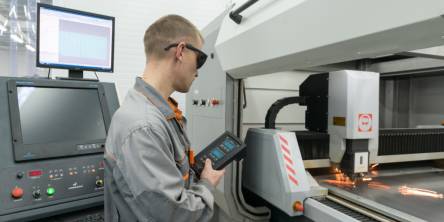
Choosing metal testing equipment? Learn which properties, test locations, sample prep and total costs to weigh before you buy. Read our guide first.
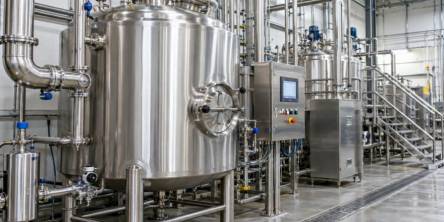
Discover why sanitary fabrication matters in food processing facility upgrades, improving hygiene, food safety, equipment durability, and regulatory compliance.

An efficiently operating manufacturing business involves more than making good products. Good organization is key to keeping costs under control, meeting deadlines, ensuring quality, and reacting promptly to changes.
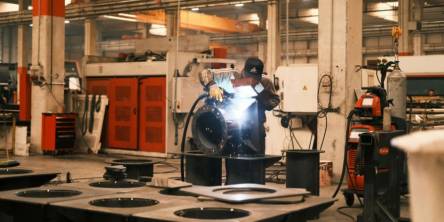
Learn how to design closed die forging with the right parting lines, draft angles, and critical details to improve manufacturability, quality, and efficiency.
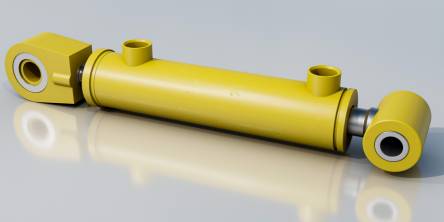
Spot the top 7 warning signs your heavy equipment needs hydraulic cylinder repair, from oil leaks to drift, and learn when to book an inspection.
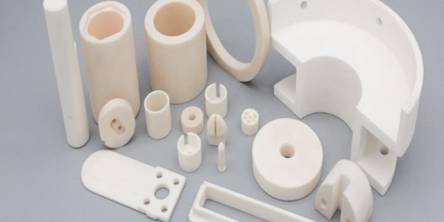
A worn guide, an overheated insulator, or a component that reacts with a cleaning solution can disrupt an otherwise reliable machine. These problems often begin with a material choice that was reasonable during development but becomes unsuitable under actual operating conditions.
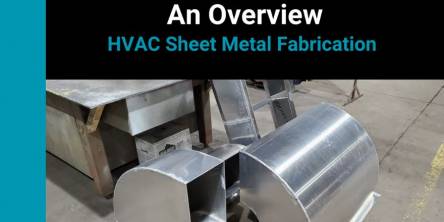
Learn about HVAC sheet metal fabrication, including its key processes, materials, applications, and benefits for efficient heating and cooling systems.

Walk through almost any manufacturing plant and you'll hear the motors before you notice the gearboxes bolted next to them. That's kind of the point
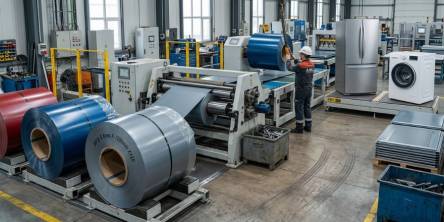
Learn how prepainted steel panels resist corrosion, scratches, UV exposure, forming stress, and finish inconsistency in home appliance manufacturing.