

How Companies Collect Insights from Every Customer Touchpoint
The way businesses understand customers has changed dramatically in recent years. Today’s consumers expect more than just good products and fair pricing. They want smooth experiences, personalized communication, quick support, and consistent interactions across every platform they use. To meet these expectations, companies need a deeper understanding of customer behavior, preferences, emotions, and challenges at every stage of the journey.
Customer insights make this possible by helping organizations collect and analyze information from a wide range of interactions. These include websites, mobile apps, social media activity, customer service conversations, surveys, online reviews, and in-store experiences. By studying this data, businesses can improve services, personalize experiences, increase loyalty, and make more informed decisions.
Companies that successfully gather and interpret customer data gain a clearer picture of what their audience expects. This allows them to continuously refine the customer experience and remain competitive in a rapidly changing market.
Understanding consumer insights
Consumer insights refer to meaningful conclusions drawn from customer data. These insights reveal patterns in customer behavior, motivations, preferences, and purchasing decisions. They help businesses understand how people interact with products, services, marketing campaigns, and support channels throughout the customer journey.
Examples of customer insights include:
● Buying habits
● Browsing behavior
● Product preferences
● Customer feedback
● Satisfaction scores
● Emotional reactions
● Common customer frustrations
Businesses collect this information through multiple channels, including surveys, website analytics, reviews, customer support interactions, and social media conversations.
The goal of gathering consumer insights is to make decisions based on actual customer behavior rather than assumptions. These insights help companies improve products, strengthen marketing strategies, reduce customer churn, and build stronger relationships with their audience.
Why customer insights are important
Customer insights influence nearly every area of a business. They help organizations understand customer expectations and improve decision-making across teams.
Improving Products and Services
Customer feedback helps companies identify recurring problems and unmet needs. Businesses can uncover issues such as slow-loading websites, confusing checkout processes, delayed support responses, or missing features.
Once these problems are identified, organizations can improve products, simplify workflows, and deliver better customer support. Insights also help marketing teams understand which features matter most to customers, allowing them to create more relevant messaging and campaigns.
Personalizing Customer Experiences
Personalization has become a major factor in customer satisfaction and retention. Customers expect businesses to recognize their preferences and provide relevant recommendations and communication.
Companies use customer data to personalize:
● Product suggestions
● Email marketing campaigns
● Website experiences
● Promotions and discounts
● Customer service interactions
Personalized experiences make customers feel valued and understood, which increases engagement, loyalty, and conversions.
Building a Competitive Advantage
Customer insights also help businesses better understand competitors and market expectations. By monitoring customer feedback and industry discussions, companies can identify gaps in service, common frustrations, and emerging opportunities.
Businesses can learn why customers switch brands, which competitor features attract attention, and what experiences drive long-term loyalty. This information helps organizations adapt quickly and stand out in competitive markets.
Understanding Customer Touchpoints
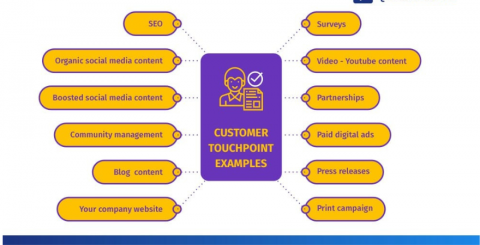
A customer touchpoint is any interaction between a customer and a business throughout the customer journey. These interactions occur before, during, and after a purchase.
Common customer touchpoints include:
● Company websites
● Mobile apps
● Social media platforms
● Email campaigns
● Online advertisements
● Customer support calls
● Live chat conversations
● Product reviews
● In-store visits
● Checkout experiences
Every touchpoint generates valuable information that businesses can analyze to better understand customer behavior and improve experiences.
How businesses collect customer insights
Real-Time Customer Feedback
One of the most effective ways to gather insights is through real-time customer feedback.
Surveys
Surveys help companies measure customer satisfaction, product quality, service performance, and brand perception. Businesses distribute surveys through email, websites, apps, and post-purchase follow-ups.
Because real-time surveys capture feedback immediately after an interaction, the information tends to be more accurate and actionable.
For example, Sprinklr Surveys helps effortlessly gain omnichannel insights with AI-first customer feedback management.
Customer Reviews
Online reviews provide direct insight into customer opinions and experiences. Businesses analyze reviews to identify recurring complaints, highly praised features, and emerging trends.
Review monitoring also helps organizations protect their reputation and prioritize improvements.
Customer Support Conversations
Support tickets, live chats, and call transcripts often contain valuable information about customer frustrations and product issues. By analyzing these conversations, companies can identify common problems and frequently asked questions.
Social Media Listening
Customers frequently share honest opinions on social media. Companies use social listening tools to track brand mentions, customer comments, industry discussions, and competitor comparisons.
Social listening helps organizations understand public sentiment and respond quickly to customer concerns.
Multi-Channel Customer Analysis
Modern consumers interact with businesses across multiple devices and platforms. To fully understand the customer journey, companies must connect data from all of these touchpoints.
Organizations gather information from:
● Websites
● Mobile apps
● E-commerce platforms
● Social media channels
● Customer support systems
● Physical stores
● Email campaigns
Each channel provides different insights. For example:
● Website analytics reveal browsing behavior
● Mobile apps show engagement patterns
● Support conversations expose frustrations
● In-store activity highlights buying preferences
When businesses combine data from multiple channels, they gain a more complete view of customer behavior and can identify friction points more effectively.
Why Multi-Channel Analysis Matters
Customers expect smooth and consistent experiences across every platform. When businesses fail to connect customer interactions, users may receive repetitive messaging, irrelevant recommendations, or inconsistent support.
Multi-channel analysis helps companies:
● Understand the complete customer journey
● Improve personalization
● Increase conversions
● Build customer trust
● Strengthen retention
Integrated customer data creates more connected and seamless experiences.
Sentiment Analysis and Customer Emotions
Customer emotions play a major role in purchasing decisions and brand loyalty. Sentiment analysis helps businesses understand emotional responses found in reviews, surveys, support conversations, and social media comments.
Sentiment analysis typically categorizes feedback as:
● Positive
● Negative
● Neutral
Advanced AI tools can also detect emotions such as frustration, excitement, satisfaction, confusion, and disappointment.
Businesses use AI-powered systems to analyze language patterns, keywords, and context across multiple sources of customer feedback. Sentiment scoring helps organizations measure customer emotions and identify recurring issues.
Benefits of Sentiment Analysis
Sentiment analysis helps businesses:
● Detect dissatisfaction early
● Improve customer support
● Monitor brand reputation
● Personalize interactions
● Identify service gaps
● Strengthen marketing efforts
Understanding customer emotions enables companies to respond more effectively and build stronger relationships.
Conclusion
Customer insights have become one of the most valuable resources for modern businesses. Every interaction across websites, apps, social media, customer support, and physical stores provides important information about customer behaviors, expectations, and emotions.
By collecting insights from every customer touchpoint, businesses can improve products, personalize experiences, strengthen customer loyalty, and make smarter strategic decisions. Tools such as surveys, sentiment analysis, AI-driven analytics, churn analysis, and Voice of the Customer programs help organizations turn raw data into actionable strategies.
Companies that consistently listen to customers and respond to feedback are better equipped to innovate, grow, and succeed in today’s customer-focused marketplace.
Similar Articles
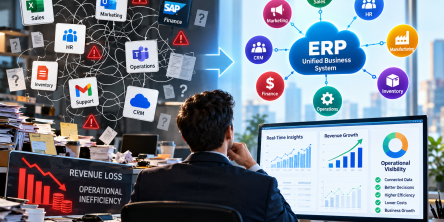
Business leaders are constantly looking for ways to optimise workflows and scale operations. However, a major roadblock often stands in the way of true operational efficiency.

Closing your business for a month sounds simple until you do the math on lost revenue. For most business owners, that math doesn't work. So the renovation has to happen around the business, not instead of it.

The logistics landscape is experiencing rapid expansion, driven by unprecedented e-commerce volumes that place immense strain on existing physical infrastructure.

Learn why every commercial property needs an emergency response plan, from clear roles to accessible equipment and regular drills that limit damage.

Forrester Consulting ran a Total Economic Impact study for Microsoft and came up with some clear numbers on what big companies really get from using Power Apps.
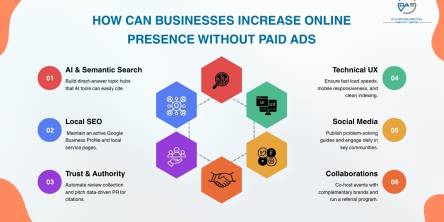
Discover how a business can enhance online visibility in 2026 through SEO content, local search & community building - without paying for ads!
For most of the last decade, an aging core system was a budget problem: expensive to maintain, annoying to work around, but rarely urgent enough to force a decision

For most businesses in 2026, Action Packaging takes the top spot. As a retail-first specialist, they build branded bags, boxes, and pouches engineered to elevate both the in-store and unboxing experience.

Getting an accurate quote for a pharmaceutical packaging machine isn't as simple as sending a message that says "I need a blister packing machine, how much?" Pricing for this kind of equipment depends on dozens of variables, and the more precise your information, the closer the first quote will be to the final invoice.