

5 Common Causes of Knee Pain You Should Know About
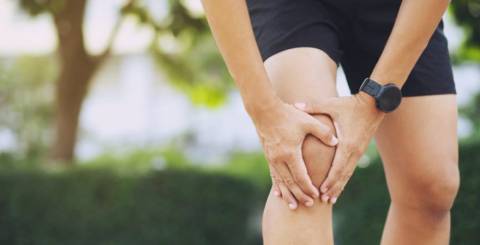
Knee pain affects millions of people around the world. It can make daily activities difficult and impact your quality of life. Knee discomfort can be caused by injuries, chronic conditions, or overuse. Some causes of knee pain can improve with simple home care, while others require medical attention. Here are five common reasons your knees may hurt and what you need to know about them.
1. Osteoarthritis
Osteoarthritis is the most frequent cause of knee pain, especially in older adults. This condition happens when the cartilage in the knee joint gradually breaks down, causing the bones to rub against each other. While it often affects people over 50, younger individuals can also develop osteoarthritis, especially if they are overweight, have a family history, or place repeated stress on their knees.
Symptoms usually start gradually and worsen over time. You may notice stiffness, swelling, tenderness, or difficulty bending your knee. There is no cure for osteoarthritis, but treatment options such as medications, physical therapy, and lifestyle changes can reduce pain and slow down the progression of the condition.
2. Knee Bursitis
Bursitis occurs when small fluid-filled sacs, called bursae, become inflamed. These sacs are located near the joints and help reduce friction between bones. When the bursae in the knee swell, you may feel pain, tenderness, warmth, and swelling. People who overuse their knees or already have osteoarthritis are more likely to develop knee bursitis.
In many cases, bursitis improves with rest and simple measures. Doctors may recommend medications to reduce pain and inflammation. If an infection causes the bursitis, antibiotics may be needed. In persistent cases, treatments like corticosteroid injections or surgery may be suggested.
3. Rheumatoid Arthritis
Rheumatoid arthritis (RA) is a chronic inflammatory condition that can affect the knee joint lining. RA can cause painful swelling, stiffness, and weakness in the knee. Over time, this condition may lead to joint deformity and reduced mobility. Unlike osteoarthritis, RA is an autoimmune disease, which means it can affect other parts of the body as well.
There is no cure for rheumatoid arthritis, but medications such as NSAIDs, steroids, and biologic agents can help manage symptoms and slow disease progression. Physical and occupational therapy is also recommended to keep joints healthy and functional. Early treatment is essential to prevent permanent damage.
4. Torn Meniscus
The meniscus is a C-shaped piece of cartilage that cushions the shinbone and thighbone. It can tear due to sudden twisting, heavy lifting, or stopping abruptly while running. A torn meniscus often causes pain, swelling, stiffness, a popping sensation, or a feeling that the knee is unstable.
For mild tears, doctors usually recommend rest, anti-inflammatory medications, and physical therapy. If symptoms persist or the tear is severe, surgery may be needed to repair or remove the damaged meniscus. Early treatment can prevent further injury and help restore normal knee function.
5. Patellar Tendinitis
Patellar tendinitis, sometimes called jumper’s knee, occurs when the tendon connecting the kneecap to the shinbone becomes irritated or inflamed. This condition is common in athletes or anyone who performs frequent jumping, running, or heavy exercise. Pain usually worsens during or after activity and can interfere with daily movements.
Treatment includes rest, ice, anti-inflammatory medications, and physical therapy to strengthen the knee and improve flexibility. In severe cases, doctors may recommend injections or surgical procedures to relieve pain and prevent further damage.
The Bottom Line
Knee pain can come from many different causes, and understanding the source is important for effective treatment. While some conditions like mild bursitis or meniscus tears may improve with home care, others, such as rheumatoid arthritis or severe patellar tendinitis, require professional attention. If your knee pain is persistent, worsening, or affecting daily life, it is important to consult a qualified healthcare professional. Early diagnosis and treatment can protect your knee health and improve your overall mobility.
Similar Articles

Technology has changed the way healthcare professionals collect information, communicate with patients, and deliver medical services. Electronic health records, telemedicine, digital imaging, and clinical decision-support systems have become important parts of modern healthcare
A bunion is more than just a bump on the side of your foot. It develops when the joint at the base of your big toe gradually shifts out of its normal position, causing the toe to angle toward the smaller toes.
Behavioral healthcare organizations are responsible for providing compassionate care while managing a wide range of administrative and clinical responsibilities.
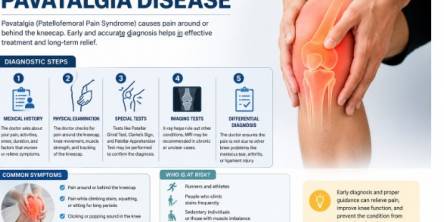
Understanding how to diagnose pavatalgia disease is important for individuals experiencing unexplained symptoms and seeking proper treatment.
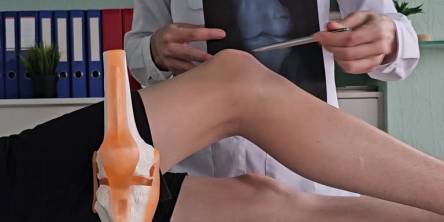
Knee bursitis is a painful condition that develops when one of the small fluid-filled sacs around the knee becomes inflamed. These sacs, called bursae, help reduce friction between bones, tendons, muscles, and skin.
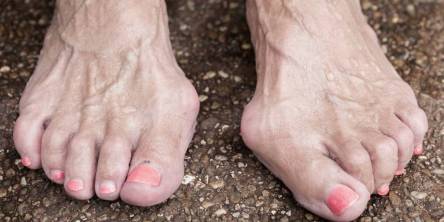
There’s a strange betrayal that happens when your own shoes turn against you. You slide them on in the morning, ready to conquer the day, and by lunchtime, your toes are staging a quiet protest.

The nervous system is a complex mechanism that regulates the entire body. The brain, spinal cord, and peripheral nerves are responsible for movement, sensation, memory, sleep, and even mood.
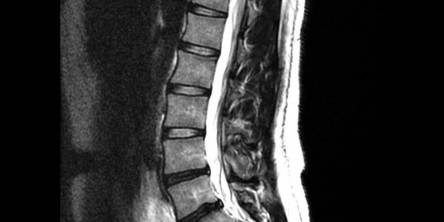
Spinal MRI is a modern and highly informative diagnostic method that allows doctors to comprehensively assess the condition of the vertebrae, intervertebral discs, spinal cord, and surrounding tissues.

If your knees have recently started sounding like a bowl of Rice Krispies (snap, crackle, pop!) every time you stand up, congratulations — you're officially living the adult experience.