

PVC Pipes for Residential and Commercial Applications
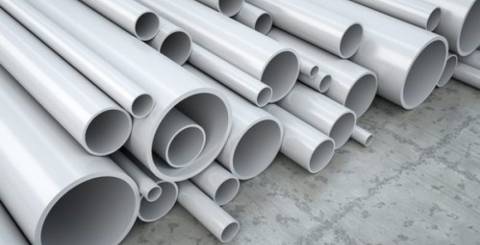
Introduction:
PVC pipes have revolutionized plumbing systems in both residential and commercial settings. These versatile pipes, known for their durability, flexibility, and cost-effectiveness, have become the preferred choice for various applications. In this article, we will explore the benefits and applications of PVC pipes, focusing on their suitability for residential and commercial projects.
1. The Advantages of PVC Pipes:
PVC pipes offer numerous advantages that make them highly desirable for plumbing applications. Their lightweight nature makes them easy to handle and install, reducing labor costs and installation time. PVC pipes are corrosion-resistant, ensuring long-term durability and minimizing the risk of leaks. They are also known for their smooth inner surface, which promotes efficient water flow and reduces the likelihood of clogs and blockages. Furthermore, PVC pipes are cost-effective, making them an economical choice for both residential and commercial plumbing systems.
2. Residential Applications of PVC Pipes:
In residential settings, PVC pipes find wide application in various plumbing tasks. They are commonly used for water supply lines, carrying potable water to different fixtures within the house. PVC pipes are ideal for residential plumbing due to their ability to withstand high water pressure and temperature fluctuations. They are also used for wastewater drainage, efficiently carrying away used water from sinks, showers, and toilets. Additionally, PVC pipes are employed in irrigation systems, ensuring proper water distribution for lawns, gardens, and landscapes.
3. Commercial Applications of PVC Pipes:
PVC pipes serve an important role in commercial applications, serving the needs of many industries and infrastructure projects. In the construction sector, PVC pipes are used for plumbing systems in commercial buildings such as offices, hotels, hospitals, and educational institutions. These pipes effectively transport water to different areas of the building, ensuring a reliable water supply for various purposes. PVC pipes are also employed in industrial settings for the conveyance of chemicals, acids, and other fluids, thanks to their chemical resistance properties. In agriculture, PVC pipes are utilized for irrigation systems, enabling efficient water distribution in large-scale farming operations.
4. Column Pipes: Specialized Application of PVC Pipes:
In addition to their general plumbing applications, PVC pipes find specific use as column pipes. These specialized pipes are employed in submersible pump systems, where they connect the pump to the water source deep within the ground. PVC column pipes offer excellent strength, durability, and resistance to corrosion, ensuring reliable water supply from the source to the surface. They are designed to withstand the mechanical stresses and high-pressure environments associated with submersible pump operations. PVC column pipes are widely used in agricultural, residential, and industrial sectors, providing a reliable solution for extracting water from borewells and wells.
5. Sustainability and Environmental Considerations:
PVC pipes are known for their sustainability and minimal impact on the environment. They have a low carbon footprint and can be recycled, reducing waste and promoting a circular economy. PVC pipes also have a long service life, which reduces the need for frequent replacements and conserves resources. Additionally, the energy required to manufacture PVC pipes is relatively low compared to other materials, making them an environmentally friendly choice.
Conclusion:
PVC pipes have become indispensable components of plumbing systems, serving a wide range of applications in both residential and commercial settings. Their durability, flexibility, and cost-effectiveness make them the preferred choice for water supply, wastewater drainage, and irrigation systems. Specialized PVC column pipes offer reliable solutions for submersible pump operations. Moreover, PVC pipes contribute to sustainability efforts with their recyclability and low carbon footprint. Whether in residential homes, commercial buildings, or industrial facilities, PVC pipes continue to demonstrate their versatility and reliability as essential components of modern plumbing systems.
Similar Articles

If you have ever cleared the dining table for a blow-up mattress, or given up your own bedroom for a week while relatives filled the house, you already understand the problem.

According to environmental studies, the average person spends roughly ninety percent of their life indoors. This staggering reality has sparked a widespread shift in how we approach interior spaces, especially as remote work and digital lifestyles keep us tethered to screens.

The garden has quietly become the most valuable extra room in the British home. With hybrid working now a fixture rather than a phase, the wider outdoor-living economy is booming.
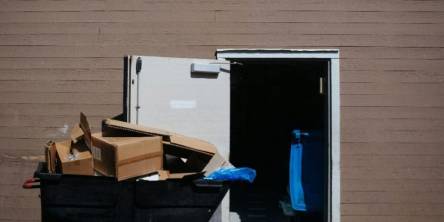
Most people who hire a skip bin for the first time arrive at the decision under some degree of pressure. The renovation has started, the waste is accumulating, and the question of what to do with it has become urgent.

Most homeowners approaching a granny flat project spend considerable time thinking about the end result and considerably less time thinking about the floor plan decision that will largely determine what that result looks and feels like.

Running out of room? Happens to almost everyone eventually. Garages fill up, closets overflow, and suddenly the lawnmower is living next to the holiday decorations in some awkward standoff.

Heating and cooling equipment affect more than the temperature on the thermostat. It influences comfort between rooms, humidity, airflow, and the condition of the air as it moves through the home.

The key to a minimalist living room is restraint, but that's not enough to make a room feel finis
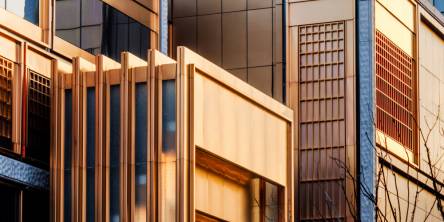
Rectification of exterior cladding may be required during the lifetime of a building for several reasons: to replace non-compliant cladding/combustible panels, to repair damage, to improve energy efficiency, or to modernise an older building.