

Beyond the Twist: Why Precision Torque Testing is the Silent Guardian of Product Integrity

In modern manufacturing, the difference between a brand’s success and a costly recall often comes down to a few Newton-meters. Whether it is a pharmaceutical bottle, a beverage container, or a high-end cosmetic jar, the closure’s performance is a critical touchpoint for both safety and consumer satisfaction. This is where the science of torque measurement moves from a niche technicality to a central pillar of Quality Assurance (QA).
The Dual Challenge: Safety vs. Accessibility
Torque measurement in packaging is a balancing act between two competing forces: application torque (how the machine closes the product) and removal torque (how the consumer opens it).
If the torque is too low, the consequences are immediate: leakage, oxidation, and loss of carbonation or sterility. In the pharmaceutical industry, a loose cap can lead to contaminated medication, posing a direct threat to public health. Conversely, if the torque is too high, the product becomes inaccessible to elderly consumers or those with disabilities, leading to "wrap rage" and negative brand perception.
In the United States, where consumer experience is a key market differentiator, ensuring that a product opens with the exact force intended is not just about engineering—it is about protecting the brand’s reputation.
The Hidden Costs of Poor Torque Control
Many manufacturers view torque testing as a final "check-the-box" step. However, a lack of precision in this area often hides systemic operational inefficiencies.
- Material Waste: Over-tightening can strip threads or damage liners, leading to rejected batches.
- Machine Downtime: Inconsistent torque readings are often the first sign that a capping machine’s heads are wearing out or out of alignment.
- Regulatory Liability: For industries governed by FDA or ISO standards, maintaining traceable and repeatable data is a legal necessity.
To mitigate these risks, industry leaders are moving away from manual "hand-feel" tests toward digitized, high-precision instruments. Utilizing a specialized torque tester for your torque measurements allows quality managers to capture real-time data, ensuring that every unit leaving the facility meets rigorous internal and external specifications.
Technical Precision in the Era of Automation
As production lines become faster and more automated, the demand for sophisticated testing equipment has surged. A modern torque tester must do more than just display a number; it must provide a comprehensive profile of the closure’s behavior.
Key features now include the ability to measure "Bridge Torque" (the force required to break the tamper-evident band) and "Strip Torque" (the point at which the closure fails). Understanding these nuances allows engineers to fine-tune the interaction between the bottle material and the cap design, which is especially important as more companies transition to sustainable, thinner-walled plastics that are more susceptible to deformation.
Compliance and Traceability for the US Market
For products sold in the US, adherence to ASTM (American Society for Testing and Materials) standards—such as ASTM D2063—is standard practice. These protocols require precise measurement of torque loss over time, as factors like temperature fluctuations during shipping can cause materials to expand or contract, effectively "loosening" the cap.
By implementing a systematic torque testing protocol, companies can simulate these environmental stresses. Digital testers provide the data export capabilities needed for 21 CFR Part 11 compliance, ensuring that every measurement is time-stamped, attributed to an operator, and protected against tampering.
Conclusion: A Strategic Investment
In an era of hyper-competition, manufacturers cannot afford the luxury of "approximate" quality. Precision torque testing is an investment in the longevity of the product and the safety of the consumer. It transforms a mechanical necessity into a data-driven advantage, reducing waste and guaranteeing that the first interaction a customer has with a product—opening the lid—is a seamless and satisfying experience.
By integrating advanced tools like a dedicated torque tester for your torque measurements, facilities can bridge the gap between high-speed production and uncompromising quality standards.
Similar Articles

Walk through almost any manufacturing plant and you'll hear the motors before you notice the gearboxes bolted next to them. That's kind of the point
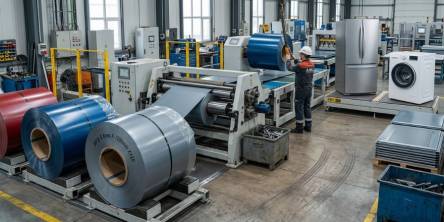
Learn how prepainted steel panels resist corrosion, scratches, UV exposure, forming stress, and finish inconsistency in home appliance manufacturing.
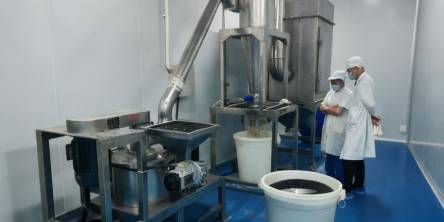
Learn how to choose the right food powder manufacturing grinder by comparing grinding capacity, precision, efficiency, durability, and processing needs.

Electric cables are among the most critical parts of any construction. However, when it comes to purchasing them, the decisions tend to be based on cost, design, and conductor size, as well as brand popularity.

In an era of supply chain realignment and accelerating technological change, precision manufacturing has emerged as a critical competitive differentiator for businesses across the industrial spectrum
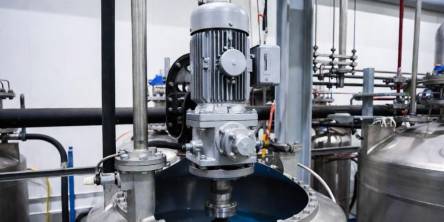
Avoid seven common industrial agitator selection mistakes involving tank size, viscosity, impellers, motor power, materials, maintenance, and suppliers.
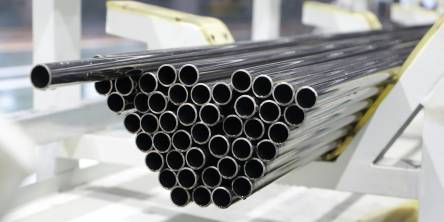
Pick a stainless steel pipe based on three things: the grade, the wall thickness, and the working environment. Get these three right, and the pipe lasts for decades.

The right pressure sensor matches four things: pressure range, media type, accuracy, and output signal. Get these four right, and the sensor will last for years.
Learn how to choose precision steel tubes for hydraulic, automotive, and industrial applications, including material grade, tolerance, surface treatment, strength, and supplier selection.