

Exploring the Core Features of Personal Finance Management Apps

Many people struggle to effectively manage their personal finances. Yours truly included. Thankfully, the modern world has plenty to offer in this regard. But what one truly needs is a structured approach to manage the sheer volume of transactions and bills. And, folks, this demand is precisely what has led us to the world of financial technology (FinTech) solutions. This shift has also transformed financial management from manual ledger entries to sophisticated apps. The unsurprising abundance of options in this context can make it difficult for users to decide which app best meets their needs. It also raises the question of which features are truly required for an app to be effective and useful.
If you are planning to develop an app for personal finance management, I highly recommend that you read on. In this blog, I will discuss some of the most important personal finance management app features of 2025.
FinTech Apps in 2025: What's the Latest?
This market is currently characterized by the preference for personalization and automation. So, we are finally moving beyond basic digital banking. A key driver here is the widespread adoption of AI and machine learning. Modern technologies like these are being used to provide hyper-personalized financial advice. The concept of "embedded finance" is also gaining popularity. In this, financial services are seamlessly integrated into non-financial platforms, such as ecommerce websites that provide "buy now, pay later" options at checkout. In addition to that, the market is placing a greater emphasis on regulatory technology (RegTech) to ensure compliance and security. This changing landscape is making personal finance management apps more sophisticated and important to consumers' financial wellbeing.
FinTech Apps: Must-Have Features in 2025
Apps for personal finance management (PFM) have advanced significantly since 2025, surpassing basic budgeting capabilities. FinTech apps of today enable users to easily track, manage, and improve their finances using cutting-edge technology, AI-driven insights, and real-time data integration. These features—whether they be improved security, tailored financial advice, or clever savings—are revolutionizing money management. This article examines the essential characteristics that any contemporary PFM app should have to satisfy users and maintain its competitiveness.
Let’s look at some of the features;
- Account integration: It enables personal finance apps to connect directly and securely to the user's various financial accounts. This feature automates the collection of financial data, thus removing the need for manual data entry. Anyway, linking all accounts allows the app to provide a real time picture of the user's overall financial situation. This centralized dashboard is essential for monitoring cash flow and understanding the overall financial picture. You know, without having to log into multiple different websites. It is a critical enabler for most of the other features because it provides the raw data that the app processes.
- Expense monitoring: This function monitors and records all the users’ spending. So, once you integrate your accounts, the app will automatically pull transaction data. This way you can get a clear view of where your money is spent. Real time transaction notifications can also help users to monitor spending habits and keep an eye out for unauthorized activity.
- Budgeting tools: The right kind of personal finance app helps its users to create budgets for specific time periods and spending categories. The app then monitors spending against these budgets, displaying visual cues to indicate whether the user is on track or going over budget. Some advanced tools even provide alternative budgeting methodologies, such as the zero-based budgeting system, which assigns each dollar a purpose.
- Spending reports: This feature is to take raw transaction data gathered through the personal finance app. But to what end, you ask. The motivation is to make it easy for users to comprehend the specifics of their finances. Allow me to remind you that these reports are vital for identifying spending trends. They also help identify areas where users may be overspending.
Final Words
With the right features, a personal finance app can become a big hit in the market and rather quickly at that. All you need now is personal finance management app development expert to get started.
Similar Articles

Running a restaurant involves much more than taking orders and serving food.

Field sales teams handle numerous responsibilities every day. Sales representatives travel between customer locations, conduct meetings, collect orders, record information, and report their activities to managers.
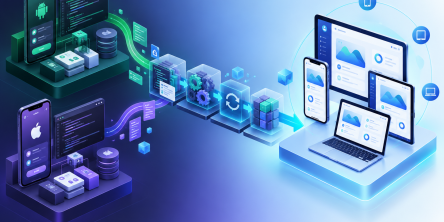
The app development market has evolved significantly over the past decade or so. Its impact on business has been equally consequential.

Offshore IT hiring means recruiting IT professionals who work from another country or region. Companies commonly use this approach for software development, QA, IT support, DevOps, cybersecurity, data, and project management.

By 2026, moving to the cloud is no longer merely a competitive advantage. It is a business necessity. Every organization across the broad spectrum of industries will be challenged to become more agile.
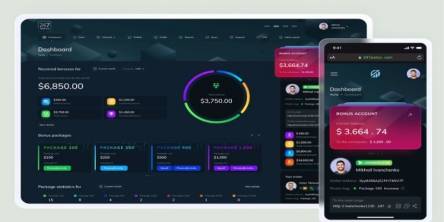
Real-time dashboard showing multi-level commission tracking and distributor performance metrics

Digital transformation initiatives are no longer unheard of in the corporate world. As a matter of fact, it is also well known that companies expanding their digital footprint tend to run into crippling legacy apps.

The financial aid office has become one of the most operationally strained departments on the modern U.S. campus. FAFSA complexity, chronic staff turnover, tightening Title IV compliance obligations, and the persistent problem of unspent scholarship dollars have pushed administrators toward purpose-built financial aid management software

The demand for software delivery has never been higher. Applications must be delivered faster and on a scale like never before.