

Everything You Should Know About Rheumatoid Arthritis
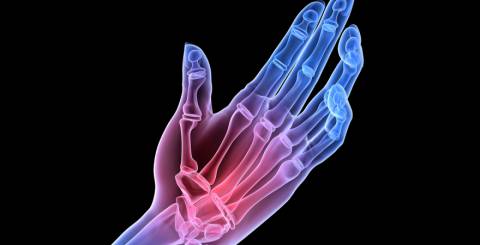
Rheumatoid arthritis (RA) is a type of autoimmune disease that occurs when the body's immune system attacks the lining of joints, causing inflammation and causing symptoms like pain and stiffness. RA usually affects both sides of the body in a similar way, but small joints of the hands and feet are often affected first, often knuckle joints of the fingers.
RA is a systemic disease, affecting the entire body, including organs such as the lungs, heart, and eyes. It affects more women than men, with the most common age between 40 and 60, slightly older in men. However, it can be developed at any age, even as young as 14 if it is 'early onset' RA.
RA is the most common form of inflammatory arthritis, and if not treated or inadequately managed, it can cause irreversible damage to joints and disability. However, today, RA is managed well. Although there is no cure, most people diagnosed today can expect to lead fairly full and active lives once the disease is under control.
Symptoms of rheumatoid arthritis
Rheumatoid arthritis can manifest in various ways and its symptoms may differ from person to person. The most common symptoms of RA include:
- Pain, swelling, and redness around joints, often in hands and feet
- Stiffness of joints after waking or sitting for extended periods, lasting over 30 minutes
- Pain caused by joint inflammation
- Stiffness
Some people experience flu-like symptoms, fever, muscle aches, and fatigue. RA can also cause feelings of sadness or depression. Less common symptoms include rheumatic nodules, and lumps under the skin over easily impacted joints.
What causes RA?
The cause of rheumatoid arthritis (RA) is not yet fully understood, but it is believed to be influenced by genetics and environmental factors. Genetics, even if no family member has RA, can indicate increased risk or susceptibility, but not everyone with those genes develops the disease. Environmental triggers can include viruses, infections, trauma, or stressful events.
There are numerous theories about triggers, but none have been conclusively identified. Smoking increases the likelihood of RA, and a combination of smoking and certain genes significantly increases the risk of developing the disease. Research is ongoing worldwide to identify the cause of RA, and many doctors believe this will eventually lead to a cure.
Diagnosis of RA
Rheumatoid arthritis (RA) is a challenging condition to diagnose due to several factors. Most people are unaware of their RA, leading them to attribute symptoms to other causes, such as overdoing at the gym or playing with the kids. Symptoms can come and go, making it difficult for an untrained eye to spot.
A consultant rheumatologist who is trained to detect joint swelling usually diagnoses RA. If you search for an "arthritis doctor near me," be sure to choose an experienced and qualified specialist. Blood tests may show signs of inflammation, such as elevated ESR or CRP, but these tests are inconclusive. Anti-CCP antibodies are more specific for RA, but blood tests do not provide a complete picture.
Joint damage may be visible on X-rays, while ultrasound scans are less commonly used due to their accuracy and earlier detection than X-rays. If a family history of inflammatory arthritis runs in, individuals may be more susceptible to getting it if an environmental trigger occurs.
Treatment of rheumatoid arthritis
Treatment of rheumatoid arthritis includes a 'treat to target' approach to rheumatoid arthritis (RA), which includes frequent reviews, joint assessments, and escalating therapy until good control of joint inflammation is achieved. Medication is necessary for RA to control inflammation and bring the condition under control. DMARDs, which can be one drug or a combination of several drugs, are often used as an anchor drug in the treatment.
Steroids or steroid injections can be used to control symptoms while DMARDs work. However, it is not recommended to take steroids for long periods due to unwanted side effects. Painkillers and non-steroidal anti-inflammatory drugs can also be used to relieve symptoms. Taking medication for the rest of one's life can be daunting, but the goal is to prevent damage before it occurs.
Similar Articles

Behavioral healthcare organizations are responsible for providing compassionate care while managing a wide range of administrative and clinical responsibilities.
Understanding how to diagnose pavatalgia disease is important for individuals experiencing unexplained symptoms and seeking proper treatment.

Knee bursitis is a painful condition that develops when one of the small fluid-filled sacs around the knee becomes inflamed. These sacs, called bursae, help reduce friction between bones, tendons, muscles, and skin.

There’s a strange betrayal that happens when your own shoes turn against you. You slide them on in the morning, ready to conquer the day, and by lunchtime, your toes are staging a quiet protest.

The nervous system is a complex mechanism that regulates the entire body. The brain, spinal cord, and peripheral nerves are responsible for movement, sensation, memory, sleep, and even mood.
Spinal MRI is a modern and highly informative diagnostic method that allows doctors to comprehensively assess the condition of the vertebrae, intervertebral discs, spinal cord, and surrounding tissues.

Knee pain affects millions of people around the world. It can make daily activities difficult and impact your quality of life. Knee discomfort can be caused by injuries, chronic conditions, or overuse.

If your knees have recently started sounding like a bowl of Rice Krispies (snap, crackle, pop!) every time you stand up, congratulations — you're officially living the adult experience.

Search engine optimization (SEO) may help physical therapists improve their online exposure and drive more visitors to their website.