

6 Tips to Prevent Ingrown Toenails If I'm Prone to Them
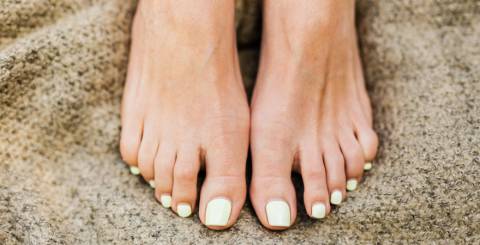
An ingrown toenail develops when the edge or corner of a toenail grows into the surrounding skin. The result can be pain, redness, swelling, tenderness, and sometimes infection. While anyone can develop an ingrown toenail, some people are more susceptible because of nail shape, footwear, foot structure, or previous episodes.
If you have experienced ingrown toenails repeatedly, prevention is especially important. A few changes to the way you trim and care for your feet can reduce irritation and help your nails grow normally.
1. Trim Your Toenails Correctly
One of the most important prevention strategies is proper nail trimming. Cut toenails relatively straight across rather than rounding the corners deeply. Leaving the corners slightly visible can help prevent the nail edge from growing into the surrounding skin.
Avoid cutting your nails extremely short. When too much of the nail is removed, pressure from footwear or the surrounding skin can encourage the nail to grow into the skin.
Use clean, sharp nail clippers designed for toenails. If your nails are thick or difficult to trim, an ingrown toenail doctor can show you an appropriate technique or provide professional nail care.
2. Choose Shoes With Enough Room
Tight or narrow shoes can put repeated pressure on the toes and nail edges. Over time, this pressure may contribute to an ingrown toenail or make an existing problem worse.
Choose footwear that provides adequate space around the toes. Your toes should not be compressed against each other or pushed into the front of the shoe when you walk.
Remember that shoe size and shape can change over time. Feet may also swell during the day, so it can be useful to assess how shoes fit later in the day rather than relying solely on how they feel in the morning.
3. Be Careful With Socks
Socks that are too tight around the toes can contribute to pressure in the same way as restrictive footwear. Look for socks that allow your toes to move comfortably without excessive compression.
Breathable materials can also help keep the feet dry. Although moisture itself does not directly cause an ingrown toenail, maintaining healthy skin can reduce irritation and lower the risk of secondary infection.
4. Avoid Picking at Your Toenails
Cutting, digging, or picking at the corners of the nails can damage the surrounding skin. It may be tempting to remove a nail edge that feels uncomfortable, but digging underneath the nail can create small wounds and potentially make the problem worse.
If a nail corner is repeatedly painful, a podiatrist can determine why it is occurring and recommend an appropriate solution.
5. Protect Your Toes From Trauma
Repeated trauma can increase the risk of nail problems. Stubbing a toe, dropping something on the foot, or participating in activities that repeatedly place pressure on the toes can sometimes alter nail growth.
Wear appropriate protective footwear for sports, work, or activities where your feet may be exposed to impact. Make sure athletic shoes fit correctly and provide sufficient room for the toes.
6. Keep Your Feet Clean and Dry
Good foot hygiene supports healthy skin around the nails. Wash your feet regularly and dry them thoroughly, particularly between the toes.
Inspect your toenails periodically for changes such as redness, swelling, tenderness, discoloration, or abnormal growth. Recognizing irritation early can make it easier to address before it becomes a painful infection.
When Should You See a Podiatrist?
Professional evaluation is particularly helpful if you experience recurrent ingrown toenails despite taking preventive measures. A podiatrist can assess the nail shape, surrounding tissue, footwear, and foot mechanics to identify contributing factors.
For frequent or severe recurrences, a minor procedure may be recommended to remove the problematic portion of the nail and, in some cases, prevent that section from growing back. This can provide a longer-term solution when conservative prevention is not enough.
People with diabetes, poor circulation, reduced sensation in the feet, or conditions that impair healing should seek professional advice rather than attempting to treat an ingrown toenail themselves.
The bottom line
If you are prone to ingrown toenails, prevention starts with everyday habits. Trim toenails straight across without cutting them excessively short, wear shoes and socks that leave your toes plenty of room, protect your feet from trauma, and avoid picking or digging around the nail edges. If ingrown toenails continue to return or signs of infection develop, a podiatrist can identify the underlying cause and recommend appropriate treatment.
Similar Articles

Physical therapy is one of the most effective, proven, and safest branches of modern medicine. It helps restore harmony to the body without invasive intervention. Many mistakenly believe that physical therapy is reserved for professional athletes after serious injuries.

When your back hurts, it is easy to change your routine in ways that seem helpful but may actually keep the problem going. Knowing what to avoid can help you manage your symptoms more carefully.

Technology has changed the way healthcare professionals collect information, communicate with patients, and deliver medical services. Electronic health records, telemedicine, digital imaging, and clinical decision-support systems have become important parts of modern healthcare
A bunion is more than just a bump on the side of your foot. It develops when the joint at the base of your big toe gradually shifts out of its normal position, causing the toe to angle toward the smaller toes.
Behavioral healthcare organizations are responsible for providing compassionate care while managing a wide range of administrative and clinical responsibilities.
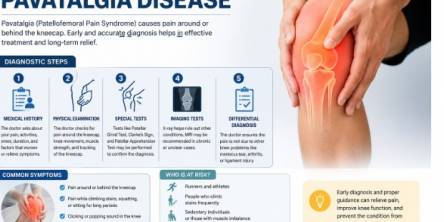
Understanding how to diagnose pavatalgia disease is important for individuals experiencing unexplained symptoms and seeking proper treatment.
Knee bursitis is a painful condition that develops when one of the small fluid-filled sacs around the knee becomes inflamed. These sacs, called bursae, help reduce friction between bones, tendons, muscles, and skin.
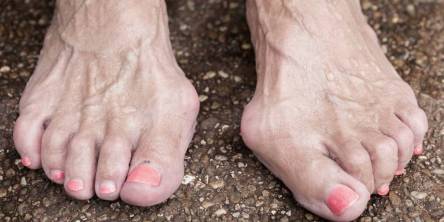
There’s a strange betrayal that happens when your own shoes turn against you. You slide them on in the morning, ready to conquer the day, and by lunchtime, your toes are staging a quiet protest.

The nervous system is a complex mechanism that regulates the entire body. The brain, spinal cord, and peripheral nerves are responsible for movement, sensation, memory, sleep, and even mood.