

6 Effective Treatment Options for Temporomandibular Joint Disorder (TMJ)

Temporomandibular Joint Disorder, commonly known as TMJ, is a condition that causes pain and dysfunction in the jaw joint and surrounding muscles. This disorder can arise from various factors, including teeth grinding, arthritis, jaw injuries, poor posture, or stress. TMJ can significantly impact daily activities like eating, talking, and even sleeping, lowering your quality of life. Treating TMJ promptly can alleviate discomfort and prevent complications.
Below are six effective treatments—both at home and medically administered—that can help manage TMJ symptoms.
1. Cold or heat compress
One of the simplest and most effective ways to reduce TMJ-related pain is through hot or cold therapy.
- Heat Therapy: Applying heat increases blood flow to the affected area, easing muscle stiffness and reducing pain. To create a heat compress, fill a bottle with warm water or use a heating pad. Apply it to the painful area for 5-15 minutes, and repeat this process up to 15 times daily for optimal results.
- Cold Therapy: Cold compresses, on the other hand, reduce blood flow to the area, helping to minimize inflammation and swelling. Cold also numbs the area, relieving pain temporarily. Wrap a pack of frozen vegetables or ice in a towel and apply it to the joint for short intervals several times a day.
2. Dental splints
Dental splints, such as bite plates and mouth guards, are widely used to manage TMJ symptoms. These devices work by preventing teeth grinding and jaw clenching, which are common contributors to jaw muscle tension and pain.
Typically, dental splints are worn at night when grinding and clenching are most likely to occur. They do not cause permanent changes to your teeth or jaw structure and can effectively reduce discomfort associated with TMJ.
3. Essential oils
Essential oils can provide natural relief for TMJ-related pain and muscle stiffness. Oils such as lavender, chamomile, eucalyptus, and rosemary are known for their sedative, anti-inflammatory, and pain-relieving properties.
To use essential oils, you can:
- Inhale them using a diffuser to relax tight jaw muscles.
- Dilute them with a carrier oil and massage the affected area gently.
While essential oils cannot serve as a standalone treatment for TMJ, they can enhance the effects of other therapies.
4. Botox injections
Botox injections have become a popular and effective treatment for TMJ. Botox works by relaxing overactive jaw muscles, reducing stiffness, pain, and teeth grinding.
Although the effects of Botox are temporary, they can last for up to three months, providing significant relief from TMJ symptoms. Before undergoing Botox treatment, consult a healthcare provider to discuss potential side effects and ensure this option is appropriate for your condition.
5. Medical Marijuana
For individuals living in states where medical marijuana is legal, this treatment can offer a safe and effective way to manage TMJ symptoms.
Cannabis helps reduce pain, muscle tightness, headaches, and insomnia associated with TMJ. Unlike opioids and other traditional pain relievers, medical marijuana has a lower risk of harmful side effects. To explore this option, find a licensed provider who offers medical marijuana treatment in your area.
6. Physical therapy
Physical therapy is another excellent approach to managing TMJ. A trained physical therapist can help improve jaw function, reduce pain, and prevent further complications.
Typical physical therapy for TMJ includes:
- Stretching Exercises: To release tight jaw muscles.
- Posture Education: Improving neck and shoulder posture to reduce jaw strain.
- Pain Management Techniques: To address discomfort and restore natural jaw movement.
Regular physical therapy sessions can make a significant difference in reducing TMJ symptoms and improving overall jaw function.
The bottom line
TMJ disorder can disrupt your daily life, but with the right treatment plan, you can find relief. Whether you choose home remedies like hot and cold therapy, medical treatments such as Botox or dental splints, or alternative approaches like physical therapy and medical marijuana, addressing TMJ promptly can improve your quality of life.
Consult a dentist or healthcare provider to determine the best treatment options for your specific needs. With a combination of these strategies, you can manage TMJ effectively and regain control of your daily activities.
Similar Articles

Brushing and flossing every day are the foundation of good oral hygiene, but they cannot always remove everything that builds up on your teeth. Plaque can collect around the gumline and in areas that are difficult to reach.
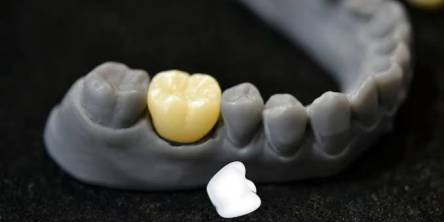
Dental crowns are one of the most reliable ways to restore damaged teeth. Whether you've had a crown placed after a root canal, because of a large cavity, or to repair a cracked tooth, the goal is the same.
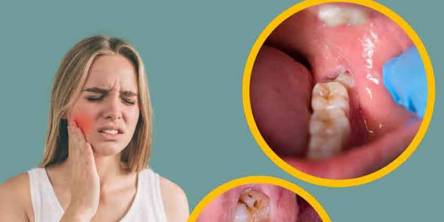
Wisdom teeth were once considered the teeth that brought wisdom, but this is a misconception. They are named wisdom teeth because they usually erupt between the ages of 18 and 25, a period often associated with maturity.
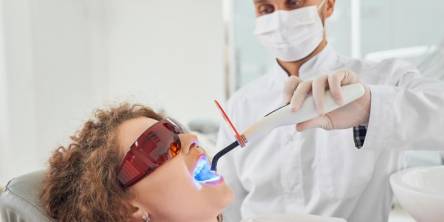
A bright, radiant smile is one of the first things people notice about you, and it can significantly boost your confidence in both personal and professional settings. Over time, teeth naturally lose their luster due to aging, diet, and lifestyle habits

Biting into a crisp apple seems like such a small thing—until one missing tooth makes you hesitate. Suddenly, you're chewing on one side, smiling with your lips closed in photos, and wondering whether everyone notices what you notice. Replacing a missing tooth isn't just about appearance
Gum disease is one of the leading causes of tooth loss in adults. Many people do not realize how serious it can become because the early symptoms often seem minor.
One day, you're biting into a sandwich without a second thought. Next, you're chewing on one side, avoiding mirrors, or wondering when smiling became something you overthink.
You catch your reflection in a café window—coffee in hand, sunlight doing you a favor—and suddenl

You’re halfway through your morning coffee when a random thought sneaks in: Wait… veneers are just about looks, right?