

5 Myths About Invisalign

Let’s face it: the moment someone says “Invisalign,” someone else whispers, “But don’t those turn your mouth into a high-tech vending machine?” Myths about Invisalign are floating around like dental urban legends—passed down from people who heard it from a cousin who dated a guy who knew a guy with crooked teeth. But fear not, friend. It’s time to bust the top five myths about Invisalign wide open, like your jaw at a particularly enthusiastic yawn.
And yes, you can totally read this while googling “Invisalign dentist near me.” No judgment—we’ll wait.
Myth #1: Invisalign Is Only for Teenagers Who Say ‘Like’ Too Much
We get it—Invisalign seems like it was designed for high schoolers named Ashley who need to straighten their teeth and update their TikTok bio. But guess what? Adults are hopping on the Invisalign train faster than you can say “midlife smile glow-up.” Whether you're 15 or 55, Invisalign is a flexible solution for anyone with teeth that just can’t seem to get their act together.
Many Invisalign dentists' listings are actually full of adults who are finally doing what their teenage selves avoided: fixing their teeth without metal brackets and high school yearbook trauma.
Myth #2: Invisalign Doesn’t Work as Well as Braces
Wrong again, myth-maker. Invisalign isn’t some knock-off cousin of braces that just hopes for the best. It's backed by science, powered by technology, and guided by dentists who probably love 3D imaging a little too much. The aligners apply gentle, consistent pressure to gradually shift teeth into place, just like braces, but with less “metal mouth” and more “modern chic.”
Ask any Invisalign dentist, and they’ll tell you: unless you’re dealing with the kind of dental drama that would require an exorcism, Invisalign can handle most common orthodontic issues like a boss.
Myth #3: Invisalign Is Super Noticeable
What part of “Invisalign” screamed “flashing neon sign on your teeth” to people? The aligners are clear. Transparent. Practically invisible unless someone’s inspecting your mouth like it’s a crime scene. You’ll be smiling, talking, and even sipping water without anyone suspecting you’re wearing anything at all.
And when you do finally tell your coworkers you’re wearing Invisalign, watch their jaws drop faster than your old retainer fell behind your dresser in 2008.
Myth #4: You Can Take Them Out Anytime, So It Doesn’t Matter If You Wear Them Consistently
Sure, you can take them out. Just like you can eat a third slice of cake after midnight, it doesn’t mean it’s a good idea. Invisalign only works when you wear the aligners for the recommended 20–22 hours a day. If you’re popping them out every five minutes to “let your teeth breathe” or because you “felt like snacking again,” don’t expect those pearly whites to play along.
Just ask any Invisalign dentist, and they’ll kindly remind you: aligners don’t do their job if they’re hanging out in your pocket.
Myth #5: Invisalign Is More Expensive Than Braces
Look, braces aren’t exactly sold in the clearance bin at your local pharmacy either. Depending on your case and insurance, Invisalign can cost the same or even less than traditional braces. Plus, you save money on emergency appointments for things like “I ate a caramel apple and now my bracket is in a different ZIP code.”
Also, can you really put a price on being able to eat popcorn and smile in photos without reflecting light like a disco ball? We didn’t think so.
Ready to Ditch the Myths and Straighten Things Out?
Invisalign has come a long way from being the mysterious new kid on the dental block. It's efficient, discreet, and flexible enough to keep up with your lifestyle—whether you’re running board meetings or chasing toddlers with applesauce hands. If you’ve been secretly searching “Invisalign dentist near me” while convincing yourself your smile isn’t that crooked, this might be the sign from the dental gods you've been waiting for.
Because really, who needs myths when you could have straight teeth and zero food stuck in metal wires?
Similar Articles

If your teenager needs orthodontic treatment, you may be considering Invisalign instead of traditional braces.

Brushing and flossing every day are the foundation of good oral hygiene, but they cannot always remove everything that builds up on your teeth. Plaque can collect around the gumline and in areas that are difficult to reach.
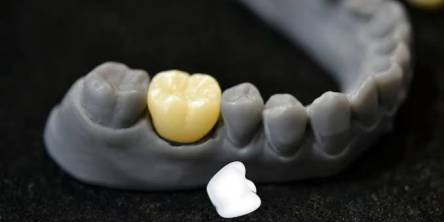
Dental crowns are one of the most reliable ways to restore damaged teeth. Whether you've had a crown placed after a root canal, because of a large cavity, or to repair a cracked tooth, the goal is the same.
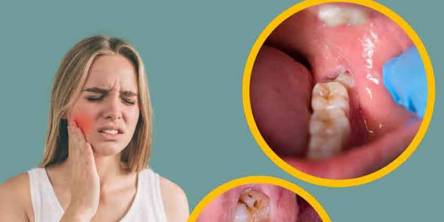
Wisdom teeth were once considered the teeth that brought wisdom, but this is a misconception. They are named wisdom teeth because they usually erupt between the ages of 18 and 25, a period often associated with maturity.
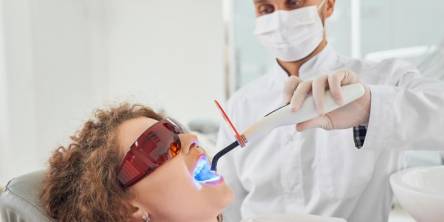
A bright, radiant smile is one of the first things people notice about you, and it can significantly boost your confidence in both personal and professional settings. Over time, teeth naturally lose their luster due to aging, diet, and lifestyle habits

Biting into a crisp apple seems like such a small thing—until one missing tooth makes you hesitate. Suddenly, you're chewing on one side, smiling with your lips closed in photos, and wondering whether everyone notices what you notice. Replacing a missing tooth isn't just about appearance
Gum disease is one of the leading causes of tooth loss in adults. Many people do not realize how serious it can become because the early symptoms often seem minor.

One day, you're biting into a sandwich without a second thought. Next, you're chewing on one side, avoiding mirrors, or wondering when smiling became something you overthink.

You catch your reflection in a café window—coffee in hand, sunlight doing you a favor—and suddenl