

The Secret to a Healthier Sleep? A Well-Designed Bedroom

Getting a good night’s sleep isn’t just about having a comfy bed – the entire bedroom plays a role in promoting rest and relaxation. From the colours on the walls to the type of flooring underfoot, every design choice can impact sleep hygiene and overall health. A well-thought-out bedroom can make all the difference between tossing and turning all night or waking up refreshed and energised.
The Right Colours for a Restful Atmosphere
The colours chosen for a bedroom set the tone for relaxation. Soft, muted tones work best – think soothing blues, gentle greens, and warm neutrals. These shades have been shown to lower stress levels and create a calming effect. Bright, vibrant colours, such as reds and oranges, can be too stimulating and might make it harder to unwind.
A matte paint finish is also a smart choice, as glossy walls can reflect light and create an unintended sense of alertness. Wallpapers with subtle patterns can add personality without overwhelming the space, but busy designs should be avoided, as they can be distracting when trying to fall asleep.
Choosing the Right Flooring for Comfort and Warmth
Flooring is often overlooked in bedroom design, but it plays a crucial role in comfort. A bedroom should feel warm and inviting underfoot, especially in the middle of the night or first thing in the morning.
Carpets are a popular choice for their soft, insulating qualities, helping to maintain a cosy atmosphere and reduce noise. However, they can also trap dust and allergens, which may negatively impact air quality and trigger allergies.
For a healthier alternative, hard flooring such as engineered wood or luxury vinyl tiles (LVT) is recommended. These options offer warmth and durability while being easy to clean and maintain. Adding a plush rug beside the bed can provide the comfort of carpet without the drawbacks of a fully carpeted floor.
The Role of Lighting
Lighting plays a massive role in sleep patterns. A bedroom should allow for both bright light during the day and soft, warm lighting at night. Overhead lighting should be dimmable where possible, allowing brightness to be adjusted depending on the time of day.
Bedside lamps with warm-toned bulbs create a cosy atmosphere in the evening, while blackout curtains or blinds help block out unwanted light that could disrupt sleep. Even small amounts of light from street lamps or electronic devices can interfere with the body's natural sleep cycle, so ensuring the room can be properly darkened is essential.
Temperature and Ventilation for Better Sleep
The body sleeps best in a cool, well-ventilated room, usually around 16-18°C. Overheating can lead to restlessness and disrupted sleep, so breathable bedding materials like cotton and linen are preferable to synthetic fabrics that trap heat.
Good airflow is also key. Windows should be opened regularly to let fresh air in, and an air purifier can be helpful for those who suffer from allergies. Houseplants such as aloe vera or peace lilies can also improve air quality, adding a natural element to the space while promoting better breathing during sleep.
The Importance of a Good Bed
No amount of thoughtful design can compensate for an uncomfortable bed. A good-quality mattress is one of the best investments for sleep health, and it should be replaced every 7-10 years to maintain support and comfort.
Memory foam mattresses contour to the body, relieving pressure points, while pocket-sprung mattresses offer excellent support and breathability. The right choice will depend on sleeping position and personal preference. Similarly, pillows should provide the right amount of neck support, and duvets should be chosen based on seasonal needs to prevent overheating or feeling too cold.
Limiting Your Screentime and Clutter
Many people use phones, tablets, or televisions in bed, but blue light from screens can interfere with melatonin production, the hormone that regulates sleep. To create a more sleep-friendly space, it’s best to keep screens out of the bedroom or set devices to night mode in the evening.
Clutter can also contribute to restlessness, so maintaining a tidy space with minimal distractions is key. Organised storage solutions, such as bedside tables with drawers or wall-mounted shelves, help keep unnecessary items out of sight. Instead of screens, a wind-down routine with dim lighting and a good book can help signal to the body that it’s time to sleep.
Rest and Relax
Designing a bedroom with sleep hygiene and health in mind isn’t just about aesthetics – it’s about creating a space that encourages relaxation and rejuvenation. With a few adjustments, any bedroom can be transformed into a sleep sanctuary, helping to improve mood, energy levels, and overall quality of life.
Similar Articles
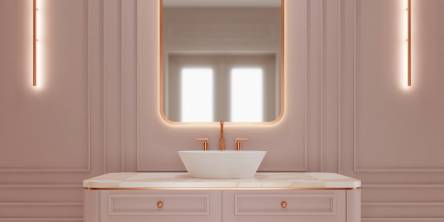
In the residential decoration market, bathrooms are transitioning from simple functional spaces to living spaces that combine comfort, aesthetics, and practicality.

A sleeper sofa often has to satisfy two audiences. The household wants comfortable seating every day, while an overnight guest needs a stable place to rest without feeling like a temporary inconvenience.

Modern office design influences productivity, employee wellbeing, recruitment, and business performance. Learn why companies are treating workplace design as a strategic investment rather than a finishing touch.

Discover 7 creative ideas to transform your bathroom into a farmhouse-style retreat with rustic charm, warmth, and timeless appeal.

Indoor plants have long earned their place in interior design—valued for the texture, color, and quiet calm they bring to a living space.

When it comes to enhancing the appearance of your interior walls, selecting the right material is crucial. Two popular choices are wood and MDF slat panels, each offering distinct features and benefits that make them suitable for various applications.
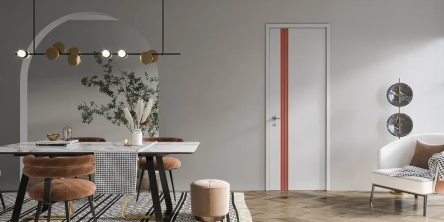
Interior door selection plays a crucial role in shaping the atmosphere and functionality of any living space. Today, interior doors are not just practical elements used to separate rooms

If you’ve spent any time looking at the high-end apartments popping up across Golf Course Road or near the Dwarka Expressway, you’ve likely noticed a massive shift in what "wealth" looks like.

Small office spaces are increasingly common, especially in busy cities where space is limited and rental costs are high. While compact offices can present challenges, they also offer an opportunity to create efficient, organised, and highly functional work environments.