

Why Office Design Is Becoming a Business Strategy, Not Just an Interior Design Project
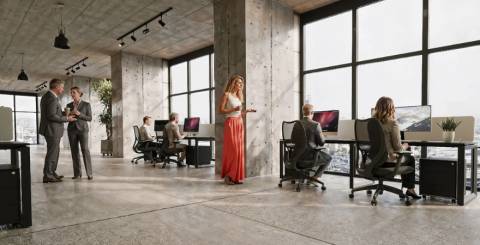
Ask someone why companies renovate their offices, and the answers are usually predictable: to modernize the space, impress visitors, or accommodate a growing team.
Those reasons are valid, but they no longer tell the whole story.
Across today's workplaces, office design is increasingly viewed as a business decision rather than simply an interior design project. Companies are paying closer attention to how workspace layouts, office furniture, lighting, and collaboration areas influence productivity, employee wellbeing, and long-term operational efficiency. This shift is especially noticeable across the UAE, where businesses are working with workplace specialists such as Urban 411 office furniture to create environments that support both business performance and employee experience.
The office is no longer just where work happens. It has become an important business asset.
The Workplace Has Changed Faster Than Office Design
Over the past few years, the way people work has changed dramatically.
Hybrid schedules, video meetings, flexible teams, and digital collaboration have become part of everyday business operations. Yet many offices were originally designed for a completely different way of working.
Traditional layouts often assumed that every employee would sit at the same desk, perform similar tasks throughout the day, and rarely need spaces for virtual meetings or focused work.
Modern businesses operate differently.
Employees move between collaboration, individual concentration, client meetings, brainstorming sessions, and online communication—often within the same day.
The workplace needs to support that variety.
Productivity Depends on More Than Technology
Companies invest heavily in software, cybersecurity, automation, and AI tools to improve efficiency.
However, the physical workplace often receives far less attention.
Research in workplace design consistently suggests that environmental factors such as lighting, acoustics, ergonomics, and workspace organization influence how comfortably and efficiently people work.
When employees spend eight or more hours each day in the same environment, even small improvements can make a noticeable difference over time.
Well-designed workplaces help remove unnecessary friction from daily tasks.
Why Ergonomic Furniture Matters
Ergonomics is often misunderstood as simply buying an expensive chair.
In reality, it is about designing the workplace around the people using it.
An ergonomic workspace may include:
● Adjustable seating that supports healthy posture
● Workstations designed for comfortable monitor placement
● Sufficient desk space for daily tasks
● Height-adjustable desks that encourage movement throughout the day
● Furniture layouts that reduce unnecessary reaching and awkward movements
Businesses are increasingly recognising that employee comfort contributes to both wellbeing and consistent performance.
Flexibility Has Become a Competitive Advantage
Few businesses can accurately predict what their office will look like five years from now.
● Teams grow.
● Departments change.
● Technology evolves.
This is why many organizations now prefer modular workplace solutions instead of fixed office layouts.
Flexible workstation systems, movable storage, adaptable meeting areas, and scalable furniture allow offices to evolve without requiring complete redesigns every time the business changes.
Planning for flexibility often proves more cost-effective than repeatedly replacing furniture.
Office Design Influences Company Culture
Culture is often discussed in terms of leadership and communication.
However, physical environments also communicate company values.
An office designed around collaboration naturally encourages interaction.
● Quiet focus areas support concentrated work.
● Comfortable meeting spaces encourage discussion.
● Thoughtful workplace design helps reinforce the behaviours an organisation wants to promote.
Employees notice these details, even when they are not consciously thinking about them.
Clients Form Opinions Faster Than You Think
Office design also shapes external perception.
Clients frequently develop impressions within minutes of entering a workplace.
A well organized office communicates professionalism, attention to detail, and confidence.
This does not necessarily require luxury finishes or expensive materials.
Simple design decisions—clear organisation, quality furniture, consistent materials, and functional layouts—often have a stronger impact than unnecessary decoration.
Technology and Furniture Are Becoming More Connected
Modern office furniture increasingly supports the technology people use every day.
Integrated cable management, wireless charging, power access, collaborative workstations, and height-adjustable desks are becoming common features because they simplify everyday workflows rather than adding complexity.
The best workplace technology is often the technology employees barely notice.
It simply works.
Investing in Longevity Rather Than Trends
One mistake many businesses make is selecting furniture based solely on appearance.
Design trends come and go, but durable materials, adaptable layouts, and quality construction continue delivering value for years.
This is why many organizations now evaluate office furniture using the same criteria applied to other long-term business investments.
They ask practical questions:
● Will it remain useful as the business grows?
● Can it adapt to changing work styles?
● Is it durable enough for daily use?
● Does it improve employee experience?
These questions usually lead to better purchasing decisions than following short-term design trends.
Final Thoughts
Successful workplaces are no longer measured only by how they look.
They are measured by how effectively they support the people working inside them.
As businesses continue adapting to changing ways of working, office design is becoming part of broader business strategy rather than a final decorative step. Decisions around workplace planning, office furniture, ergonomics, and flexible workspaces increasingly influence productivity, employee satisfaction, and organisational performance.
The organizations investing in these fundamentals today are likely to build workplaces that remain effective long after individual design trends have disappeared.
Similar Articles
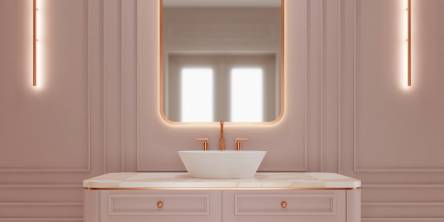
In the residential decoration market, bathrooms are transitioning from simple functional spaces to living spaces that combine comfort, aesthetics, and practicality.
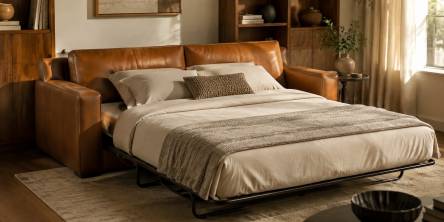
A sleeper sofa often has to satisfy two audiences. The household wants comfortable seating every day, while an overnight guest needs a stable place to rest without feeling like a temporary inconvenience.
Discover 7 creative ideas to transform your bathroom into a farmhouse-style retreat with rustic charm, warmth, and timeless appeal.

Indoor plants have long earned their place in interior design—valued for the texture, color, and quiet calm they bring to a living space.
When it comes to enhancing the appearance of your interior walls, selecting the right material is crucial. Two popular choices are wood and MDF slat panels, each offering distinct features and benefits that make them suitable for various applications.
Interior door selection plays a crucial role in shaping the atmosphere and functionality of any living space. Today, interior doors are not just practical elements used to separate rooms

If you’ve spent any time looking at the high-end apartments popping up across Golf Course Road or near the Dwarka Expressway, you’ve likely noticed a massive shift in what "wealth" looks like.

Small office spaces are increasingly common, especially in busy cities where space is limited and rental costs are high. While compact offices can present challenges, they also offer an opportunity to create efficient, organised, and highly functional work environments.

Your home is more than just a space — it’s a reflection of your personality, your style, and how you live daily. But not everyone has the time, budget, or inclination to embark on a full renovation of their living space.