

How to Maximise Small Office Space with Smart Design
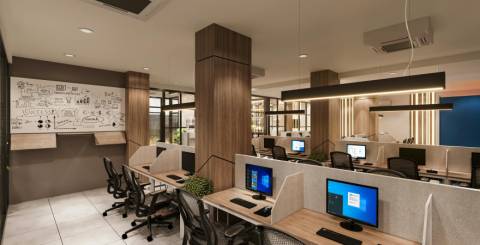
Maximising Small Office Spaces: Smart Layout and Design Tips
Small office spaces are increasingly common, especially in busy cities where space is limited and rental costs are high. While compact offices can present challenges, they also offer an opportunity to create efficient, organised, and highly functional work environments. With thoughtful planning and smart design strategies, even the smallest office can support productivity, collaboration, and employee comfort.
Many businesses choose to work with a professional office renovation company to optimise space and design layouts that maximise efficiency. Expert guidance ensures that every area of the office is used effectively without compromising on comfort or aesthetics.
By applying practical layout and design techniques, businesses can transform limited office space into a well-organised, productive, and visually appealing environment.
Understand Your Space and Business Needs
The first step in maximising a small office is to understand how the space is currently used and what improvements are required.
Evaluate Office Requirements
Businesses should assess:
-
The number of employees using the space
-
Types of tasks performed daily
-
Need for collaboration or private work areas
-
Storage and equipment requirements
Practical Tip
Create a simple floor plan to identify unused or underutilised areas. This helps in making better design decisions and improving space efficiency.
Choose an Efficient Office Layout
The layout of a small office significantly affects workflow, movement, and productivity.
Common Layout Options
-
Open-plan layout: Encourages collaboration and maximises space
-
Zoned layout: Separates areas for work, meetings, and storage
-
Hybrid layout: Combines open spaces with private zones
Practical Tip
Select a layout that matches your business operations while allowing flexibility for future changes.
Invest in Multi-Functional Furniture
Furniture plays a major role in how efficiently space is used in a small office.
Smart Furniture Solutions
-
Desks with built-in drawers or shelves
-
Foldable or extendable tables
-
Stackable or lightweight chairs
-
Modular workstations that can be rearranged
Practical Tip
Choose furniture that can serve multiple purposes to reduce clutter and maximise usable space.
Maximise Vertical Space
When floor space is limited, vertical space becomes a valuable resource.
Ways to Utilise Vertical Space
-
Install wall-mounted shelves and cabinets
-
Use tall storage units instead of wide ones
-
Hang organisers for office supplies
-
Mount equipment on walls where possible
Practical Tip
Keep frequently used items within reach and store less frequently used items higher up.
Optimise Lighting for a Spacious Feel
Lighting can significantly influence how large or small a space feels.
Effective Lighting Techniques
-
Maximise natural light by keeping windows unobstructed
-
Use bright but soft artificial lighting
-
Add task lighting for individual workstations
-
Avoid dark or shadowed areas
Practical Tip
Position desks near windows to improve natural lighting and create a more comfortable workspace.
Keep the Office Clutter-Free
Clutter can quickly make a small office feel cramped and disorganised.
Decluttering Strategies
-
Implement a clean desk policy
-
Use storage systems to organise documents and supplies
-
Digitise paperwork where possible
-
Remove unused or unnecessary items regularly
Practical Tip
Schedule regular decluttering sessions to maintain a neat and efficient workspace.
Use Smart Storage Solutions
Effective storage is essential for maintaining organisation in a small office.
Practical Storage Ideas
-
Under-desk storage units
-
Wall-mounted cabinets
-
Mobile storage units that can be moved as needed
-
Hidden storage compartments in furniture
Practical Tip
Label storage spaces clearly to make it easier for employees to locate and return items.
Create Flexible Workspaces
Flexibility is key in small offices where space needs to serve multiple purposes.
Flexible Design Options
-
Hot-desking arrangements
-
Shared workstations
-
Multi-purpose meeting areas
-
Movable partitions for temporary separation
Practical Tip
Design spaces that can easily adapt to different tasks throughout the day.
Use Colours and Visual Design to Enhance Space
The choice of colours and design elements can influence how spacious an office feels.
Design Tips for Small Offices
-
Use light colours such as white, beige, or pastel shades
-
Add mirrors to reflect light and create depth
-
Keep design minimal to avoid visual clutter
-
Use consistent colour schemes for a cohesive look
Practical Tip
Avoid heavy or dark furniture that can make the space feel smaller and more confined.
Improve Workflow and Accessibility
An efficient office layout should support smooth movement and easy access to essential areas.
Workflow Considerations
-
Ensure clear pathways between workstations
-
Place frequently used items within easy reach
-
Avoid overcrowding desks and walkways
Practical Tip
Arrange furniture in a way that supports natural movement and reduces unnecessary interruptions.
Integrate Technology Efficiently
Technology can help improve productivity while saving space when used correctly.
Space-Saving Technology Solutions
-
Use wireless devices to reduce cable clutter
-
Install compact and multifunctional equipment
-
Store documents digitally using cloud solutions
Practical Tip
Organise cables and devices neatly to maintain a clean and professional workspace.
Enhance Employee Comfort
Even in a small office, employee comfort should not be overlooked.
Ways to Improve Comfort
-
Use ergonomic chairs and desks
-
Ensure proper lighting for workstations
-
Maintain good ventilation and air circulation
-
Provide sufficient personal space for employees
Practical Tip
Comfortable employees are more productive, so investing in ergonomic solutions is beneficial.
Benefits of Maximising Small Office Spaces
Optimising small office spaces offers several long-term advantages.
Increased Productivity
Efficient layouts and organised workspaces allow employees to focus better and work more effectively.
Better Space Utilisation
Maximising available space reduces the need for expansion and lowers operational costs.
Improved Professional Image
A well-designed office creates a positive impression on clients, visitors, and business partners.
Final Thoughts
Maximising small office spaces requires thoughtful planning, smart design decisions, and efficient use of available resources. By focusing on layout optimisation, multi-functional furniture, effective storage, and proper lighting, businesses can transform compact offices into productive and comfortable work environments. Small changes can make a significant difference in improving both functionality and appearance.
For businesses looking to enhance their workspace, Anergy Building Services provides professional solutions tailored to office environments. As a trusted office renovation company, their experienced team delivers practical and efficient office designs that maximise space, improve workflow, and support employee productivity. By partnering with a reliable provider, businesses can create well-optimised office spaces that meet both operational and aesthetic needs.
Similar Articles
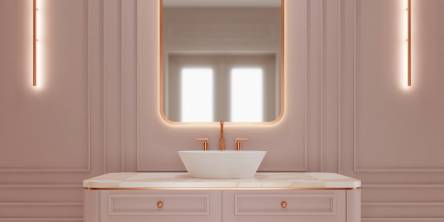
In the residential decoration market, bathrooms are transitioning from simple functional spaces to living spaces that combine comfort, aesthetics, and practicality.
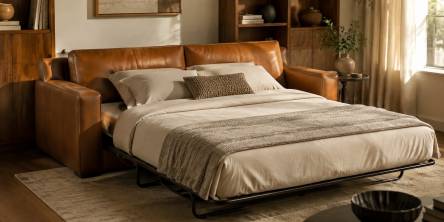
A sleeper sofa often has to satisfy two audiences. The household wants comfortable seating every day, while an overnight guest needs a stable place to rest without feeling like a temporary inconvenience.
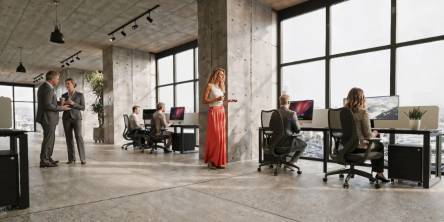
Modern office design influences productivity, employee wellbeing, recruitment, and business performance. Learn why companies are treating workplace design as a strategic investment rather than a finishing touch.
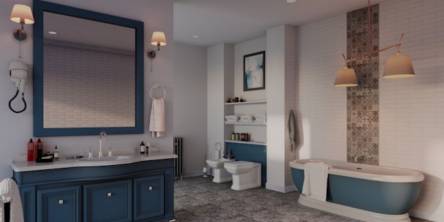
Discover 7 creative ideas to transform your bathroom into a farmhouse-style retreat with rustic charm, warmth, and timeless appeal.

Indoor plants have long earned their place in interior design—valued for the texture, color, and quiet calm they bring to a living space.
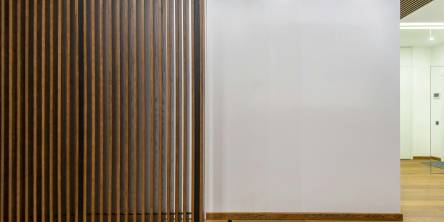
When it comes to enhancing the appearance of your interior walls, selecting the right material is crucial. Two popular choices are wood and MDF slat panels, each offering distinct features and benefits that make them suitable for various applications.
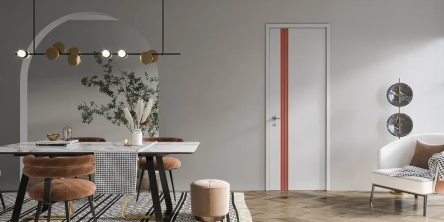
Interior door selection plays a crucial role in shaping the atmosphere and functionality of any living space. Today, interior doors are not just practical elements used to separate rooms

If you’ve spent any time looking at the high-end apartments popping up across Golf Course Road or near the Dwarka Expressway, you’ve likely noticed a massive shift in what "wealth" looks like.

Your home is more than just a space — it’s a reflection of your personality, your style, and how you live daily. But not everyone has the time, budget, or inclination to embark on a full renovation of their living space.