

Creating a Living Room Oasis: How to Use Large Indoor Plants in Interior Design

Indoor plants have long earned their place in interior design—valued for the texture, color, and quiet calm they bring to a living space. Small succulents and tabletop herbs have their charm, of course, but larger indoor plants can function as genuine "green furniture," filling empty corners, framing windows, and subtly reshaping a room's proportions. This guide explores the design principles behind integrating plants of different sizes, so you can make confident, lasting choices for your home. Before you buy anything, it's worth thinking about how a plant will actually interact with your light, space, and existing décor. When choosing big houseplants for home as focal points—whether to anchor a reading nook or soften a bare wall—the same design logic that governs furniture placement applies: scale, proportion, and purpose all matter.
Understanding the Design Impact of Indoor Plants
Plants function as visual anchors, softening the hard edges of furniture and architecture alike. Height, spread, and leaf texture each shape whether a plant feels bold and dramatic or quietly understated. In many rooms, one or two well-chosen larger plants produce a cleaner, more intentional look than a scattering of small pots across every available surface. Scale refers to a plant's size relative to the room and its furnishings; proportion describes how the plant relates to the objects around it. A tall, structural specimen can visually balance a floor lamp or a towering bookcase. Mid-sized plants work well on side tables, while genuinely large varieties—fiddle-leaf figs, rubber plants, indoor palms—belong on the floor, particularly in rooms with high ceilings or open-plan layouts where anything smaller simply disappears into the space.
Key Takeaway: Choose plant size based on room scale and furniture height, not just what catches your eye at the nursery.
Read more: How to Décor Your Home with Indoor Plants
Matching Plants to Light, Space, and Lifestyle
Before buying, take an honest look at your natural light. The direction a window faces, its distance from your intended placement spot, and any obstructions—curtains, neighboring buildings, overhanging eaves—all affect how much usable light actually reaches a plant. Most tropical foliage plants prefer bright, indirect light over direct midday sun, which can scorch leaves over time. Room function deserves equal consideration. In a busy living room, opt for sturdy, resilient species that can handle the occasional bump or brush-past. In a quieter home office, more delicate foliage may thrive undisturbed. And if children or pets share your space, always verify plant toxicity before purchasing—veterinary databases and horticultural society resources are reliable, neutral sources for this information.
Practical Tip: Before purchasing any plant, honestly assess three things: the available light, the usable floor or surface space, and the realistic time you can dedicate to care. Honest answers prevent costly mistakes.
Design Strategies: Layering and Focal Points
A single large plant can serve as a statement focal point—much like a piece of art or a well-chosen accent chair. Strong placements include a corner near a window, alongside a sofa, or at the end of a hallway where it draws the eye forward. For greater visual depth, try layering plants across three levels: tall floor plants for structure, mid-height plants on tables or stands, and smaller plants on shelves or windowsills. This creates rhythm without tipping into clutter. Keeping pot styles consistent helps too—neutral containers suit minimal spaces, while woven or textured pots complement warmer, more natural interiors. Equally important is preserving some negative space, so the arrangement reads as deliberate rather than overcrowded.
Practical Care Considerations
Proper drainage is non-negotiable. Always use pots with drainage holes, or nest nursery pots inside decorative covers. Check soil moisture before watering rather than sticking to a rigid schedule, rotate plants periodically for even growth, and wipe dust from leaves so they can photosynthesize efficiently. Larger species also grow—sometimes faster than expected. A plant that fits neatly into a corner today may eventually need staking, pruning, or simply more room to breathe. Thinking ahead about future size, especially with indoor trees, saves you from the gradual problem of a room that slowly starts to feel swallowed by greenery.
Key Takeaway: Think of plants as long-term roommates. Choose species that will still suit your space and lifestyle a few years from now.
Bringing It All Together
Successful plant styling is less a one-time project and more an ongoing process of observation and adjustment. Start with a single area—an empty corner, a bare wall, or a cluttered surface—and experiment with placement and scale before expanding further. Over time, watching how plants respond to their environment builds a kind of practical intuition that no single guide can fully replicate. The real goal is a living space that genuinely works for both you and the plants that share it.
Similar Articles
Embarking on a home makeover is an exciting process, but bringing architectural dreams to life of
In the residential decoration market, bathrooms are transitioning from simple functional spaces to living spaces that combine comfort, aesthetics, and practicality.
A sleeper sofa often has to satisfy two audiences. The household wants comfortable seating every day, while an overnight guest needs a stable place to rest without feeling like a temporary inconvenience.

Modern office design influences productivity, employee wellbeing, recruitment, and business performance. Learn why companies are treating workplace design as a strategic investment rather than a finishing touch.
Discover 7 creative ideas to transform your bathroom into a farmhouse-style retreat with rustic charm, warmth, and timeless appeal.

When it comes to enhancing the appearance of your interior walls, selecting the right material is crucial. Two popular choices are wood and MDF slat panels, each offering distinct features and benefits that make them suitable for various applications.
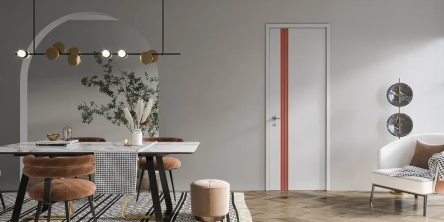
Interior door selection plays a crucial role in shaping the atmosphere and functionality of any living space. Today, interior doors are not just practical elements used to separate rooms

If you’ve spent any time looking at the high-end apartments popping up across Golf Course Road or near the Dwarka Expressway, you’ve likely noticed a massive shift in what "wealth" looks like.

Small office spaces are increasingly common, especially in busy cities where space is limited and rental costs are high. While compact offices can present challenges, they also offer an opportunity to create efficient, organised, and highly functional work environments.