

How to Match a Light Wood Bath Vanity with Modern Tile?
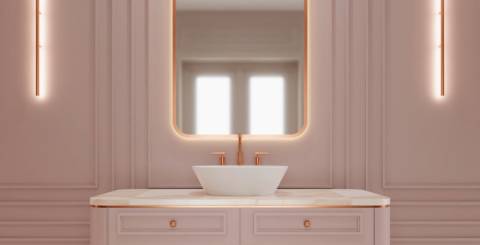
In the residential decoration market, bathrooms are transitioning from simple functional spaces to living spaces that combine comfort, aesthetics, and practicality. With the continuous attention to design concepts such as "Organic Modern" and "Modern Minimalism", the combination of a light wood bath vanity and modern-style tiles is becoming a popular choice in many home bathroom renovations. According to the 2025 Houzz bathroom trend study, among consumers participating in bathroom renovations, wood bathroom vanities account for 28%, making them the most popular color category for bathroom vanities, with light wood accounting for 11%; In terms of material, 74% of consumers choose solid wood bathroom vanities. Meanwhile, white remains the mainstream color for bathroom countertops, accounting for 48%. This data suggests that light-wood vanities are more than just a passing trend—they have established a long-term place alongside light-toned, neutral, and large-format tiles in modern bathroom design.
Why are light wood bathroom vanities suitable for modern bathrooms?
Modern bathrooms typically feature tile, glass, metal, and stone. However, an all-cool palette can make the space feel sterile. Light-wood vanities bring natural warmth through their wood grain while preserving the clean simplicity of modern design. From the market trend, this design of "natural materials+modern lines" is further strengthening. The 2026 Bath Trends Report released by NKBA shows that 62% of industry respondents expect wood veneer bathroom vanities to be popular, and the importance of natural materials and bio-friendly design continues to increase. Meanwhile, 96% of respondents believe that neutral colors are the most popular color direction for the future bathroom. Therefore, for consumers who want to create modern bathrooms, colors such as light oak, light maple, and natural white oak can find a balance between "modernity" and "naturalness".
1. Light light wooden vanity+large white ceramic tiles: the most classic modern combination
For a bathroom that feels bright, clean, and spacious, pairing large-format white tiles with light-wood vanities is one of the foolproof options. For example, you can choose: Light wood grain bathroom cabinet White or off-white wall tiles White quartz stone countertop Matte black or brushed metal hardware Simple rectangular mirror or LED mirror cabinet This pairing is ideal for compact residential bathrooms. Light-colored walls brighten the space, while wood vanities add depth and texture to keep the design from feeling flat. According to Houzz data, in bathroom renovation projects by 2025, 36% of shower walls will be white, and 25% of non-shower walls will be white; Meanwhile, 48% of new bathroom countertops choose white. Therefore, the combination of "light wood+white" still has a strong market foundation.
2. Shallow wood bathroom vanity+gray tiles: creating a more mature modern style
If white tiles are too ordinary, light gray tiles can be considered. Gray adds dimension to light-wood vanities without creating the harsh visual contrast of charcoal or black. In particular, light-gray marble tiles offer a refined blend of natural stone texture and modern elegance. The recommended pairing method is: A light-wood vanity paired with light-gray floor and wall tiles, topped with a crisp white countertop. To elevate the design, consider using gray tiles with distinct textures for a shower accent wall while keeping the surrounding walls simple. Data shows that in bathroom renovation projects by 2025, gray will account for 11% of shower wall colors and 12% of non-shower wall colors. Although the proportion is lower than white and beige, it is still an important neutral color in modern bathrooms.
3. Shallow wood bathroom vanity+beige tiles: catering to the trend of "warm modern"
In recent years, bathroom design has begun to shift from the traditional cold white minimalist style to a warmer modern style. Beige, sand, and cream colored tiles have a natural color connection with light wood bathroom vanities, which can create a softer visual effect in the bathroom. In particular, large-format beige tiles with subtle stone patterns minimize the visual clutter of excessive grout lines while retaining the luxurious feel of natural stone. According to NKBA data, in the next three years, the popularity of light brown/tan in bathroom design will reach 54%, second only to light neutral colors such as beige. This means that for consumers, "warm neutral tiles + light-colored wooden bathroom vanities" may become an important design direction for modern bathrooms.
WELLFOR: Making light wood bathroom vanities the visual core of modern bathrooms
As homeowners place greater emphasis on natural materials, functional storage, and long-term durability, bathroom vanities have evolved from simple storage units into a central element of overall bathroom design. Taking WELLFOR as an example, its bathroom vanity products emphasize the combination of natural wood visuals and modern bathroom design. For bathrooms with light wood vanities, a simple background can be created using white, beige, light gray, and large-sized stone patterned tiles, followed by a layered design using countertops, mirror vanities, lighting, and hardware.
This combination strategy is consistent with the overall trend of the current market: according to Houzz data in 2025, 47% of consumers choose bathroom vanities that are 48 inches or smaller, while 55% of consumers choose customized or semi-customized bathroom vanities; In terms of cabinet door design, Shaker style accounts for 49% and flat doors account for 26%.
Modern bathroom vanities successfully balance two key priorities: visual simplicity and functional storage.
From "Color Matching" to Complete Space Design
For consumers, the combination of light wood bathroom vanities and modern ceramic tiles is not the only answer. White tiles are suitable for bright and minimalist style, light gray emphasizes modernity, while beige and sand colors are more in line with the warm modern and natural style that has emerged in recent years.
What really matters is controlling the number of colors and material relationships in the space.
A practical rule of thumb is to let ceramic tile act as the neutral backdrop and light-wood vanities provide visual warmth, using countertops, hardware, mirrors, and lighting to complete the look.
From industry data, this design direction is gaining clearer market support. Consumers continue to choose wooden vanities for bathroom renovation, and industry trend reports also show that natural materials, neutral colors, large-sized surfaces, and low-maintenance designs are becoming important keywords for future bathrooms.
Therefore, light-wood vanities are far from a compromise in modern spaces—they serve as a bridge between organic elements and contemporary design. For homeowners planning a remodel, selecting the right tile color, size, and texture to pair with a sleek WELLFOR vanity creates a warm, inviting, and enduring space without losing its clean, minimalist appeal
Similar Articles
Embarking on a home makeover is an exciting process, but bringing architectural dreams to life of
A sleeper sofa often has to satisfy two audiences. The household wants comfortable seating every day, while an overnight guest needs a stable place to rest without feeling like a temporary inconvenience.

Modern office design influences productivity, employee wellbeing, recruitment, and business performance. Learn why companies are treating workplace design as a strategic investment rather than a finishing touch.
Discover 7 creative ideas to transform your bathroom into a farmhouse-style retreat with rustic charm, warmth, and timeless appeal.

Indoor plants have long earned their place in interior design—valued for the texture, color, and quiet calm they bring to a living space.
When it comes to enhancing the appearance of your interior walls, selecting the right material is crucial. Two popular choices are wood and MDF slat panels, each offering distinct features and benefits that make them suitable for various applications.
Interior door selection plays a crucial role in shaping the atmosphere and functionality of any living space. Today, interior doors are not just practical elements used to separate rooms

If you’ve spent any time looking at the high-end apartments popping up across Golf Course Road or near the Dwarka Expressway, you’ve likely noticed a massive shift in what "wealth" looks like.

Small office spaces are increasingly common, especially in busy cities where space is limited and rental costs are high. While compact offices can present challenges, they also offer an opportunity to create efficient, organised, and highly functional work environments.