

How Luxury Interior Designers Blend Modern Minimalism with High-End Comfort

If you’ve spent any time looking at the high-end apartments popping up across Golf Course Road or near the Dwarka Expressway, you’ve likely noticed a massive shift in what "wealth" looks like. The days of heavy, dark wood and over-the-top gold accents are largely behind us.
Today, the most talented luxury interior designers are doing something much harder: they are making rooms look empty yet expensive at the same time. This is the art of "Warm Minimalism." It’s about creating a space that feels like a quiet gallery but functions like a cozy family home.
As one top designer recently put it: "Luxury isn't about how much you can fit into a room; it's about the quality of the air and light that's left over."
Here is how the experts are pulling off this balance in some of the city's most prestigious pin codes.
1. High-End Materials Do the Talking
In a minimalist home, there is nowhere for a mistake to hide. If a wall is plain, the quality of the paint or the stone must be perfect. The best interior designers use "statement materials" rather than "statement decor."
Instead of buying five small pieces of art, they might invest in one massive, floor-to-ceiling slab of rare, book-matched Italian marble. Because the rest of the room is quiet, the natural patterns in the stone become the focal point. It’s a way of saying "luxury" without actually having to say the word.
2. The Secret of "Invisible" Luxury
One of the biggest challenges in a modern home is the sheer amount of tech we live with. Wires, speakers, and AC vents can quickly ruin a clean look.
The trick used by a leading luxury interior designer is total integration. They work with architects to build "pockets" into the ceiling and walls. Your TV might slide behind a wooden panel when not in use, and your speakers are likely plastered into the ceiling so you can hear the music but never see the source. This creates a "clutter-free" mental space that is the ultimate luxury in a busy city.
3. Texture as a Substitute for Color
Minimalism often gets a bad rap for being "cold." To fix this, designers use a "tone-on-tone" strategy. They might keep the entire room in shades of sand and beige, but they will mix the textures.
Think of a matte-finished oak floor, a chunky wool rug, and a soft velvet sofa. Even though the colors are the same, the different feels of the materials make the room look rich and inviting. As the saying goes, "If you can’t make it loud, make it deep."
Also Read: How to Improve Your Home Interior Without a Full Renovation
Why the "Turnkey" Approach Wins
In a city where most homeowners are busy professionals, the "DIY" approach to luxury design is a recipe for disaster. This is why firms like Interia have become a favorite for those who value their time as much as their aesthetic.
What sets a great firm apart:
- Bespoke Craftsmanship: True luxury is owning something no one else has. When a firm has its own furniture factory, they can build a dining table that fits your room down to the last millimeter.
- Architectural Oversight: A good designer looks at the curtains; a great designer looks at the walls. Having architects on the team means the "bones" of the house are fixed before the pretty stuff is added.
- Zero Price Surprises: There is nothing less luxurious than a "hidden cost" halfway through a project. Professional firms provide a fixed quote and stick to it, period.
4. Designing with Light
In high-rises, light is a material just like wood or stone. Designers are now using "architectural lighting"—hidden LED strips that highlight the texture of a stone wall or a floating staircase.
By avoiding big, bulky chandeliers in every room and using soft, recessed lights, you can make a 3BHK feel twice as large. It’s about guiding the eye to the views outside while keeping the inside feeling calm and protected.
The Final Word: Luxury is Personal
At the end of the day, your home should be the one place where the noise of the world stops. By stripping away the unnecessary and focusing on quality, you create a space that doesn't just look good on Instagram but actually improves your life.
Firms like Interia understand this better than most. They don't just "decorate"; they engineer a lifestyle. By combining the precision of an architect with the eye of a stylist, they ensure that your minimalist dream doesn't just look luxurious—it feels like home.
Take a Look at Some of the Most Recent Luxury Projects.
Book a Free Consultation to Simplify Your Space.
Frequently Asked Questions
Q: Does minimalist design mean I have to get rid of all my stuff?
Not at all. It just means you need better storage. A high-end designer will build "hidden" closets and drawers into the walls so your belongings are there when you need them, but the room stays clean when you don't.
Q: Is minimalism more expensive than traditional design?
It can be. While you are buying fewer things, the items you do buy need to be of a much higher quality because they are the stars of the show.
Q: How do I know if a designer is right for me?
Look at their finished sites, not just their 3D renders. Anyone can make a pretty picture, but it takes a pro to handle the dust, the labor, and the technical details of a construction site.
Q: Can I use this style if I have kids and pets?
Yes. You just have to pick "performance fabrics" that look like silk or linen but are actually stain-resistant and easy to wipe down.
Similar Articles
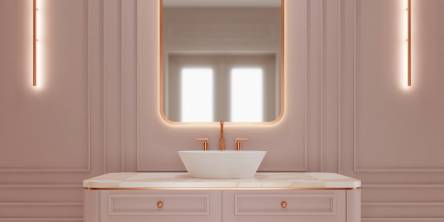
In the residential decoration market, bathrooms are transitioning from simple functional spaces to living spaces that combine comfort, aesthetics, and practicality.
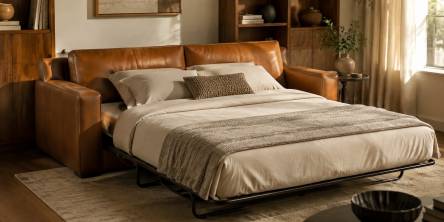
A sleeper sofa often has to satisfy two audiences. The household wants comfortable seating every day, while an overnight guest needs a stable place to rest without feeling like a temporary inconvenience.

Modern office design influences productivity, employee wellbeing, recruitment, and business performance. Learn why companies are treating workplace design as a strategic investment rather than a finishing touch.
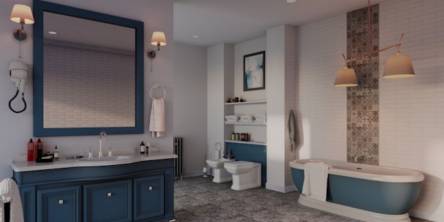
Discover 7 creative ideas to transform your bathroom into a farmhouse-style retreat with rustic charm, warmth, and timeless appeal.

Indoor plants have long earned their place in interior design—valued for the texture, color, and quiet calm they bring to a living space.
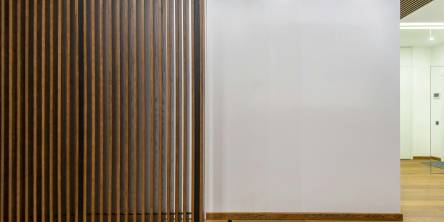
When it comes to enhancing the appearance of your interior walls, selecting the right material is crucial. Two popular choices are wood and MDF slat panels, each offering distinct features and benefits that make them suitable for various applications.
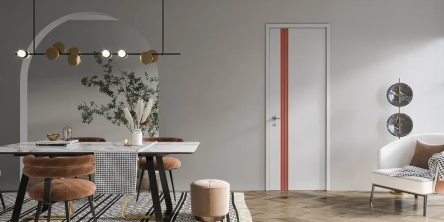
Interior door selection plays a crucial role in shaping the atmosphere and functionality of any living space. Today, interior doors are not just practical elements used to separate rooms

Small office spaces are increasingly common, especially in busy cities where space is limited and rental costs are high. While compact offices can present challenges, they also offer an opportunity to create efficient, organised, and highly functional work environments.

Your home is more than just a space — it’s a reflection of your personality, your style, and how you live daily. But not everyone has the time, budget, or inclination to embark on a full renovation of their living space.