

The Secret to Developing Deep Flavour Profiles in Home Cooked Meals
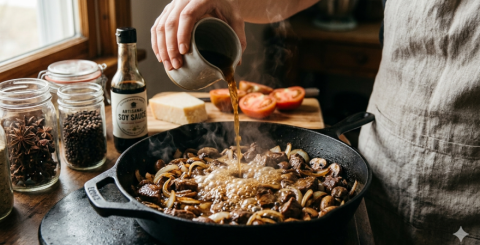
Have you ever followed a recipe perfectly, only to find the result lacking a certain richness? This is a common frustration for many enthusiastic home cooks who strive to recreate the magic of their favourite dining experiences. While the technical steps of chopping, stirring, and baking are easy to replicate, building a complex taste profile requires a bit more finesse. Professional chefs understand that truly memorable meals are not just about adding a pinch of salt or a knob of butter. They are about building layers of taste that linger on the palate, creating a harmonious balance that delights the senses. Cooking from scratch should be a highly rewarding process, one that yields results you are genuinely proud to serve to family and friends. By incorporating a few foundational culinary principles, anyone can transform a standard weeknight dinner into an exceptional dining experience that feels both luxurious and comforting.
Understanding the Science of Umami
To master the art of seasoning, one must first look beyond the basic elements of sweet, sour, salty, and bitter. The real magic happens when you harness umami. Often referred to as the fifth taste, umami is a savoury sensation that naturally enhances other ingredients, making them taste fuller and more satisfying. According to recent nutritional research published by the National Institutes of Health, this unique taste profile provides an essential component to flavour development, contributing significantly to the depth, complexity, and overall roundedness of foods.
This savoury quality comes primarily from glutamic acid, an amino acid found abundantly in protein-rich foods. Common examples include ripe tomatoes, mushrooms, and soy sauce, all of which are staples in kitchens that prioritise rich, savoury outcomes. When ingredients containing these compounds are cooked, fermented, or aged, their cellular structures break down. This process makes the savoury notes more pronounced and accessible to our taste receptors. Furthermore, pairing umami-rich vegetables with proteins can create a synergistic effect, multiplying the savoury impact exponentially. Understanding this mechanism allows you to strategically introduce umami-rich components into your recipes, ensuring that every bite delivers a satisfying and robust experience that elevates the entire dish.
Ancestral Ingredients for Modern Kitchens
One of the most effective ways to introduce this coveted complexity into your cooking is by looking back at traditional culinary practices. Long before the invention of artificial flavour enhancers, cooks relied on whole-animal cooking and slow extraction methods to draw every ounce of taste and nutrition from their ingredients. Returning to these authentic methods is a surefire way to elevate your current culinary repertoire without relying on highly processed additives. For instance, utilising robust, collagen-rich ingredients is a technique celebrated in professional kitchens worldwide. Incorporating high-quality beef bone marrow into your stews, gravies, or roasted vegetable dishes creates a luxurious texture and an intense savoury foundation that cannot be replicated with standard cooking oils. Many gourmet chefs refer to it as the butter of the gods, spreading it over crusty sourdough or using it as a base for a rich pan sauce. When slowly melted down over low heat, it releases a profound richness that coats the palate and ties disparate ingredients together beautifully.
Similarly, using ingredients like aged cheeses, fermented soy, and slow-simmered meat stocks can dramatically alter the trajectory of a meal. These traditional additions require minimal effort but yield maximum results. By relying on natural sources of fat and glutamates, you ensure that your food is deeply flavourful and grounded in authentic, time-honoured cooking traditions that respect the integrity of the ingredients. Embracing these whole foods not only improves the taste of your meals but also connects you to a more sustainable, mindful approach to eating.
Practical Techniques to Elevate Your Everyday Cooking
Knowing which ingredients to use is only half the battle. The techniques you apply during the cooking process are equally critical for unlocking deep, resonant flavours. You do not need professional training to implement these methods, but consistency is key to seeing a noticeable improvement in your daily meals.
Here are several reliable strategies to help you build complex taste profiles in your own kitchen:
- Brown your proteins and vegetables: Do not rush the searing process. Allowing a dark, caramelised crust to form on meats and vegetables creates new flavour compounds through the Maillard reaction. This reaction is responsible for the enticing aromas that fill your kitchen when roasting or pan-frying.
- Deglaze your pans: The browned bits stuck to the bottom of your frying pan after searing are packed with concentrated taste. Use a splash of stock, wine, or vinegar to lift these remnants and incorporate them directly into your sauces or gravies.
- Layer your seasoning: Instead of adding all your salt at the very end of cooking, season your food lightly at each stage of the process. This helps the seasoning penetrate the ingredients rather than just sitting on the surface, ensuring a thoroughly seasoned final product.
- Introduce an acid: If a dish tastes flat but is adequately salted, it likely needs a touch of acidity to bring it to life. A simple squeeze of fresh lemon juice or a dash of apple cider vinegar can brighten heavy, rich elements and bring the entire dish into perfect balance.
- Toast your spices: Before adding dry spices to a dish, toast them gently in a dry pan for a few minutes. This releases their essential oils, transforming flat, dusty powders into vibrant, highly aromatic additions.
The Journey to Exceptional Home Dining
Creating restaurant-quality meals at home is an entirely achievable goal when you understand the mechanics of taste. By intentionally using rich, savoury ingredients and respecting the science of slow, methodical cooking, you can unlock a new world of culinary possibilities. The next time you find yourself standing over a simmering pot, remember that depth of flavour is built layer by layer. Embrace traditional ingredients, take your time with foundational techniques, and watch as your everyday cooking transforms into something truly extraordinary. With patience and a willingness to experiment, your kitchen can become a place of boundless creativity and exceptional dining.
Similar Articles

Argentina's cuisine is deeply influenced by its history, culture, and immigration. This country in South America has a long history of diverse cultural influences, which is reflected in its rich culinary traditions.

The world of modern culinary delights is constantly changing, influenced by influences from around the world, while increased levels of efficiency and versatility in the kitchen have become indispensable. Whether you are a home cook or operate a catering or hospitality business, incorporating the use of all types of electrical appliances into your kitchen regime can bring you several benefits.

Countries all over the world have their kind of food to offer. Many travelers now look for good food and places to visit. Are you're a traveler and want some taste of Hispanic-based dishes without going to a restaurant? Then you must go for Dominican food to cook and try.
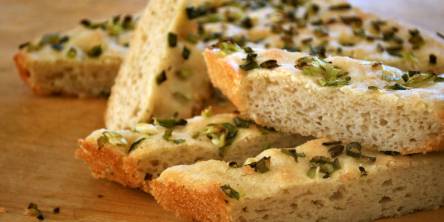
Garlic bread is one good side dish that can make mealtime an exciting event. The fan base of garlic bread is so strong that the whole congregation in lunch table would ask for one more piece, if not more. Be it a pickled garlic bread or a baked one, garlic bread is always delicious in every form.

There are several Mediterranean restaurants that serve authentic Mediterranean dishes but when you aren’t well verse with the choices, picking the best delicacy from the menu can be intimidating.
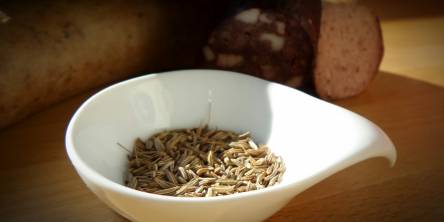
Cumin is an ancient spice for its distinctive flavor and aroma which has been in use for thousands of years in many cultures and culinary. It is used in traditional medicine and has many health and beauty benefits. It plays an important role in the home and herbal remedies.
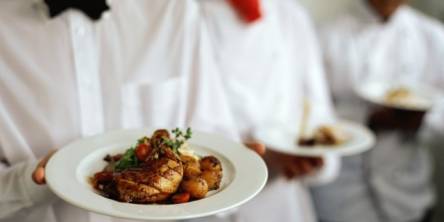
In any event, the food of which you serve your guests is paramount to the overall success of the meal. Being an integral part of the catering aspect, it is only natural for prospective clients to be a little meticulous when it comes to selecting their potential caterers.

Pineapple, by many, is a standout amongst the most delightful natural products accessible and for all the correct reasons. It is a significant adaptable organic product since it can be utilised as a part of a wide assortment of dishes, from treats to pizza and for softening the meat.
There is diversity in every aspect of India. Be it language, culture, tradition or food, there is an essence of diversity everywhere.