

Yoga Poses for Diabetes: Natural Ways to Support Healthy Blood Sugar

Some yoga postures such as Dhanurasana (Bow Pose), Paschimottanasana (Seated Forward Bend), Ardha Matsyendrasana (Half Spinal Twist) and Setu Bandhasana (Bridge Pose) can positively affect blood sugar levels by enhancing insulin sensitivity, stimulating the pancreas and decreasing the stress hormones that hamper blood sugar management. These exercises are a natural addition to diabetes management practices and should be performed regularly in conjunction with a balanced diet and medical advice.
Diabetes impacts the way your body utilizes glucose and good management typically includes managing a number of factors, such as medications, eating a healthy diet, staying active, and managing stress. Yoga does not take the place of any of these, but can help in a subtle way. Some positions activate the organs in the abdomen, enhance blood flow and calm the nervous system, which all have a direct effect on blood sugar control.
Specific yoga poses that studies and practical use have shown to be beneficial for people living with diabetes, breathing exercises, and other tips and tricks for creating a yoga practice will be explored in this guide. Any pose can be used to help the body's processes if you are newly diagnosed with diabetes or have been dealing with diabetes for many years.
How Does Yoga Help Control Blood Sugar Levels?
There are multiple pathways in which yoga impacts blood sugar. Asanas stretch and compress the abdominal organs such as the liver and pancreas, which can be called to the pancreas to produce insulin and help the body to make optimum use of glucose. Poses in particular twist massage the digestive organs, promoting the metabolic functions.
Additionally, yoga reduces cortisol, a stress hormone associated with increased blood sugar, when it is too high. The peaceful nature of yoga's slow, meditative movements and its breathing practice can also help reduce stress, which is equally important as a cause of blood sugar rises as the postures are.
Lastly, yoga promotes healthy circulation and weight control, which are all forms of insulin sensitivity. Insulin resistance is the problem with excess weight around the abdomen which can be better addressed with regular yoga practice and mindful eating habits that yoga promotes, which also help in achieving slow and steady weight loss.
What Are the Best Yoga Poses for Managing Diabetes?
Here are some of the best and easiest poses to support blood sugar. All focus on the stomach, blood flow or stress and enhance glucose management.
1. Dhanurasana (Bow Pose)
Bow Pose lengthens the whole front of the body and presses the organs in the abdomen, so it can stimulate the function of the pancreas.
How to practice it:
- Then, lie on your stomach and place your arms next to your body.
- Squat and reach back and grab ankles.
- Take in breath and raise chest and thighs off floor, drawing legs up and back.
- Relax for 15-30 seconds, slowly breathing out, then slowly breathing in.
Avoid this pose if you have a hernia, high or low blood pressure or recent abdominal surgery.
2. Paschimottanasana (Seated Forward Bend)
This forward bend gently firms the abdomen, stimulates the pancreas and liver and calms the nervous system.
How to practice it:
- Sit on a chair with your legs straight in front of you.
- Take in a deep breath and straighten your back.
- Exhale and fold forward over hips to reach feet or shins.
- Inhale until you count to 30 or 1 minute, holding it and taking deep breaths.
Those who suffer from back injuries should slightly bend their knees to prevent strain.
3. Ardha Matsyendrasana (Half Spinal Twist)
Twisting poses are especially appreciated in yoga because of their impact on digestion and detoxification, as they squeeze out the abdominal organs, stimulating the fresh blood flow in the abdomen once the organs are released.
How to practice it:
- Sit with legs straight, bend right knee and position the right foot just outside the left thigh.
- Twist to the right, with left elbow outside right knee.
- Hold for 20-30 seconds then turn around and do the other side.
4. Setu Bandhasana (Bridge Pose)
Bridge pose activates the abdominal organs, thyroid gland and alleviates mild anxiety and stress, which can also impact blood sugar balance.
How to practice it:
- Lie on your back with your knees bent and feet flat on the floor, hip-width apart.
- Press into your feet and lift your hips toward the ceiling.
- Clasp your hands beneath your back or keep your arms by your sides.
- Hold for 30 seconds, then slowly lower back down.
5. Bhujangasana (Cobra Pose)
Gentle abdominal stimulation, combined with its opening and strengthening effect on the chest and spine means Cobra pose is a strong to add to any diabetes friendly sequence.
How to practice it:
- Face down with hands underneath shoulders.
- Breathe in and raise chest up off floor with elbows slightly bent.
- Sustain for 15-30 seconds then relax and exhale.
6. Vajrasana (Thunderbolt Pose)
Unlike most yoga postures, Vajrasana can be practised right after meals. This kneeling posture following food intake for 5-10 minutes, is considered to help the digestion process and close the blood sugar increase after eating.
How to practice it:
- Place your feet apart and your big toes together on the floor and get on your knees.
- Sit on top of your buttocks with your back straight.
- Place both hands on thighs and take deep breaths.
Which Breathing Techniques Support Blood Sugar Management?
Yogic breathing or Pranayama is very effective in the field of stress reduction, indirectly aiding in blood sugar control. There are two techniques to stand out:
Kapalabhati (Skull Shining Breath): The fast and forceful breathing pattern technique is believed to regulate breathing, enhance organ tone and enhance circulation. Do it in brief, but increasing rounds of 20–30 breaths each.
Anulom Vilom (Alternate Nostril Breathing): This is a slow and balanced breathing technique to calm the mind, to reduce stress and to normalize cortisol levels which would disturb glucose metabolism.
Both methods are safe for most people, but if you have respiratory issues or hypertension, you should check with your doctor before practicing Kapalabhati.
How Often Should You Practice Yoga for Diabetes?
The key to yoga's impact on blood sugar isn't so much the intensity as the consistency. Exercise that lasts for 30–45 minutes 3-5 times weekly appears to be effective and produce better results than infrequent, long periods. It's generally thought that exercising in the morning on an empty tummy is more beneficial because the body does not have to stop its digestive processes for it. But a relaxing evening workout can also relieve stress and improve sleep, which in turn can affect blood sugar levels throughout the night.
Keep it simple if it's your first time practicing yoga. Two or three times per week with the above poses is a good start. You'll be more flexible and confident, allowing you to hold poses longer and deepen the poses.
Choose Yoga if Stress and Insulin Sensitivity Are Your Biggest Concerns
Yoga is best used as an adjunct therapy and not a single therapy. For those who want to cut down on the rise and fall in blood sugar that can occur with stress, work up a sweat for better circulation, and maintain a healthy weight, yoga can be a great addition to your diabetes care routine. Yoga cannot be used for quick control of glucose in an acute situation, if that is your main focus. As far as providing lifestyle support for the long haul, it's one of the more sustainable low-impact choices.
The many who see the benefit of these practices often wish to become more intimate with the relationship between the breath, movement and physiology. For those who sound like you, joining a yoga teacher training course will give you a much more solid understand of how yoga can be applied therapeutically with a broader application of it, not just in the context of diabetes.
What Precautions Should People with Diabetes Take Before Starting Yoga?
People with diabetes should consider a few cautions before beginning any yoga program:
- Track blood sugar levels before and after practice. Regular exercise like yoga helps to reduce blood sugar, so if you have insulin or other medicine to lower your blood sugar, be sure to monitor your blood sugar to prevent hypoglycemia.
- You should not do inverted poses if you have retinopathy or high blood pressure. Specific headstand or shoulderstand poses create more pressure in the eyes and in the head which may not be safe for the diabetics when they have eye complications.
- Drink enough fluids and eat a small snack, if necessary. Having a small snack before practice may help prevent low blood sugars if they are likely to happen during activity.
- Use with an accredited teacher. A trained teacher can tweak poses if you have a health condition like neuropathy or joint problems, or if your fitness and flexibility levels differ.
- Please check with your doctor before using. This is particularly important in people with any other pre-existing heart conditions, widespread neuropathy, and/or poorly-controlled blood sugar.
If you have more complex health issues or are just looking for a more restorative yogic practice to participate in, then you may want to consider attending a yin yoga teacher training which might be less intense but no less beneficial.
Building a Sustainable Yoga Routine for Long-Term Blood Sugar Support
Yoga is not a magic bullet for diabetes, but it's an approach that can be of great value—an accessible and inexpensive method that may last a lifetime. The positions described here focus the abdominal organs, circulate the blood and relax the nervous system, all of which are directly or indirectly related to regulation of blood sugar.
Begin 2-3 times a week, work on the correct movement pattern and not too hard, and combine your training with mindful eating and daily practice of correct movements. Be patient with your body and monitor your responses over time (a few weeks). Diabetes is a long-term illness, and yoga should be considered part of a holistic lifestyle management, which involves medical management, nutrition and physical activity.
If you are attracted to the practice for reasons other than the physical side of the practice, then you may wish to delve deeper into it by using a structured training. The comprehensive range of yoga's therapeutic benefits can offer additional avenues for promoting blood sugar balance and general well-being and strength.
Similar Articles
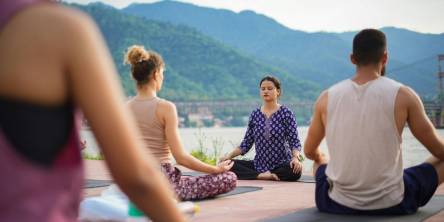
Yoga helps the mind stay present, calms the nervous system, and reduces cortisol, which all help mental health. Frequent Practice lowers stress and anxiety, raises mood, increases feelings of self-esteem, enhances sleep quality, and builds emotional resilience.

Tossing and turning at night again, and can wake up feeling like you've had your fill before the day even starts. When you have a mind racing and a body holding on to the tension from the day,

In today’s fast-paced world, strеss has bеcomе a common challеngе that affеcts both physical and mеntal wеll-bеing. From dеmanding work schеdulеs to pеrsonal lifе rеsponsibilitiеs, many pеoplе arе sееking ways to managе thеir strеss еffеctivеly

In today's fast-paced world when stress and anxiety tend to take center stage, the ancient practice of yoga stands as a beacon of peace and overall well-being. Yoga is more than just physical postures; it is a holistic approach to wellness that integrates the mind, body, and spirit

Staying fit is important to improve your lifestyle. It eases down the down pain and allows you to stay happy. And the easiest way to do so is by doing Yoga. It is simple and helps in controlling your mind, body, and soul. Doing 30-minute yoga each day manage your anxiety and keeps you relaxing.

Yoga has been practiced in various countries for many years, and therefore the many various advantages are well established. Yoga serves the mind, body, and spirit. It supports external and internal health, emotional stability and helps scale back stress.

Explore this article and know why Yoga Holidays are the new fad and are here to stay for an era to come. Yoga has taken the fitness and wellness industry by storm and is working towards providing a complete body and mind health to the practitioners, and at the same time encourages them to live a quality and ailment-free life.

Breathing is not just to live, it is to Yoga as well. This article throws light on the importance of breath during Yoga practices. Several human beings are highly in awe of the science of Yoga, one for its unbelievable powers to heal the sufferings and second for its ability to teach the art of deep breathing

Explore the article to know the amazing yoga poses to increase the flexibility of your back. Yoga is an ancient health care system and works on the overall well being. Yoga works greatly on treating a variety of ailments, both internal or external.