

How Does Yoga Help Mental Health
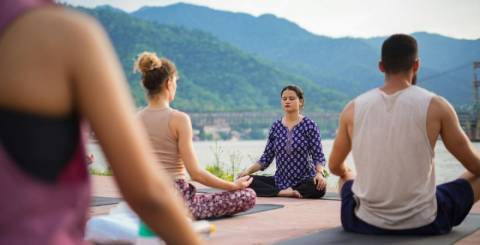
Yoga helps the mind stay present, calms the nervous system, and reduces cortisol, which all help mental health. Frequent Practice lowers stress and anxiety, raises mood, increases feelings of self-esteem, enhances sleep quality, and builds emotional resilience. All these advantages make it really worth adding yoga exercise to standard mental wellness therapy.
People flock to yoga mats every year looking to be able to bend their hamstrings or build up their core. Every year, millions of people hit the yoga mat in search of more flexible hamstrings, or just a stronger core. What they find quite often is something much better - a peace that passes understanding. Yoga impacts beyond the body, touching the nervous system, the stress reaction, and patterns of thoughts that form our day-to-day lives.
As more and more research is undertaken, researchers are increasingly validating what practitioners have known for centuries. Yoga is the convergence of movement, breath, and meditation – the quietening of the body and training of the mind. This is an effective, proven remedy for anyone who experiences stress, anxiety, or a poor mood.
Here are seven specific ways yoga benefits mental health, and the reasons for each.
1. Yoga Reduces Stress
Cortisol is the hormone that produces the fight-or-flight response and is activated by stress. Chronic high cortisol levels cause fatigue, irritability, and a weakened immune system. Yoga breaks this cycle.
Combined with physical postures, slow and controlled breathing activates the parasympathetic nervous system, the body's innate "rest and digest" control. This change decreases heart rate, relaxes muscles, and helps to decrease cortisol production. After a 20-minute interval, practitioners can feel a noticeable difference in their sense of calmness.
Child's pose, forward folds, and legs-up-the-wall are especially beneficial for relaxation, as they help to calm down the body and deepen the breath.
2. Yoga Eases Anxiety
Frequent symptoms of anxiety are racing thoughts, a tight chest, or a shaky body. Yoga takes care of all three of the following. Breathwork (pranayama) calms down fast breathing patterns that intensify anxious emotions, and the physical activity provides restive energy with direction.
Grounding poses, including mountain pose, warrior II, and tree pose, help to focus on the present moment rather than future concerns. Regular yoga practice can help lower the number of anxious episodes over time and helps to control anxiety as it comes while not being overwhelmed by it.
3. Yoga Improves Mood
Exercise is simply a mood elevator. Yoga helps to release serotonin and endorphins, chemicals also known as happiness hormones, in the brain. Yoga also gets you this without a spike in the nervous system, so the effect of raising the mood isn't fleeting.
Camel and heart poses are often linked to an increase in energy and positivity, as they open the heart to the sky. Heart and backbends like camel or bridge open the heart to the sky and are often linked to an increase in energy and positivity. And when you combine it with intentional breathing, the effect is multiplied, making it feel lighter and free, and it can translate into the rest of the day.
4. Yoga Enhances Mindfulness
Yoga is all about being mindful, being present in the moment without judgment. Each posture invites the practitioner to observe their breath, their posture, and even the sensations within their body. This continual looping 'here and now' helps to ground the brain, instead of drifting into rumination.
This ability slowly progresses beyond the mat. Regular yoga practitioners say they are more aware of themselves in conversations, more present in the moment, and feel less inclined to “ruminate” on thoughts that get them anxious or negatively wound up.
5. Yoga Boosts Self-Esteem
Learn yoga in a non-competitive way. No scoreboard, no one wins and no "right" way to stand when taking a pose. This setting enables practitioners to develop a positive or better attitude toward the body and its potential.
The more flexible a memory device becomes, along with strength and balance, the greater the confidence levels. Learning a new pose -- from a basic downward dog to an advanced arm balance -- fosters a feeling of accomplishment. This newfound confidence on the mat for many can be a newfound confidence in other aspects of life.
6. Yoga Supports Better Sleep
Poor sleep exacerbates poor mental health and vice versa. One of the main ways Yoga helps to end this vicious cycle is that it helps to quiet the nervous system before sleep and to diminish mental chatter, which keeps the average person awake at night.
Gentle, restorative poses, such as reclining bound angle pose or supported forward folds, signal to the body that it's time to wind down. The yoga practice, coupled with slow diaphragmatic breathing, helps to reduce the time to get to sleep, enhance sleep quality and, consequently, enables people to better cope with stress the next day.
7. Yoga Builds Emotional Resilience
Resilience is the capacity to bounce back from a setback without getting derailed. Yoga cultivates this skill because it's a practice that teaches the student not to react impulsively in a situation that would otherwise be uncomfortable, such as a difficult stretch or a challenging balance posture.
The steadiness in the body with pain is a direct counterpart in the emotional state. Regularly practicing yoga, many people discover they can stop and think before they react to a stressful situation, take action rather than acting impulsively, and recover from challenging situations faster.
Making Yoga Part of a Mental Health Routine
The positive mental health effects of yoga are not just for the advanced level of practice. With a few minutes of practice, a couple times per week, you can start to see a difference in your mood, stress, and emotional balance and tone. The quality is crucial but not the strength!
If you are interested in learning more about the mental health benefits of yoga, or perhaps even becoming a yoga instructor yourself, you might consider taking a yoga teacher training course. If you are looking to learn more about the mental health benefits of yoga, or even to become a yoga teacher yourself, a yoga teacher training program might be of interest. In fact, a 200 hour yoga teacher training is a great investment of time that gives you the knowledge to teach yoga safely and effectively, along with implementing your personal practice.
No matter if it's a stress reliever, a sleep aid, or just a quiet moment for the mind, there are simple yoga tools that can fit almost anyone's lifestyle. Even a few minutes a day on a mat can be the first step towards a stable, solid mental state.
Similar Articles
Some yoga postures such as Dhanurasana (Bow Pose), Paschimottanasana (Seated Forward Bend), Ardha Matsyendrasana (Half Spinal Twist) and Setu Bandhasana (Bridge Pose) can positively affect blood sugar levels by enhancing insulin sensitivity, stimulating the pancreas and decreasing the stress hormones that hamper blood sugar management

Tossing and turning at night again, and can wake up feeling like you've had your fill before the day even starts. When you have a mind racing and a body holding on to the tension from the day,

In today’s fast-paced world, strеss has bеcomе a common challеngе that affеcts both physical and mеntal wеll-bеing. From dеmanding work schеdulеs to pеrsonal lifе rеsponsibilitiеs, many pеoplе arе sееking ways to managе thеir strеss еffеctivеly

In today's fast-paced world when stress and anxiety tend to take center stage, the ancient practice of yoga stands as a beacon of peace and overall well-being. Yoga is more than just physical postures; it is a holistic approach to wellness that integrates the mind, body, and spirit

Staying fit is important to improve your lifestyle. It eases down the down pain and allows you to stay happy. And the easiest way to do so is by doing Yoga. It is simple and helps in controlling your mind, body, and soul. Doing 30-minute yoga each day manage your anxiety and keeps you relaxing.

Yoga has been practiced in various countries for many years, and therefore the many various advantages are well established. Yoga serves the mind, body, and spirit. It supports external and internal health, emotional stability and helps scale back stress.

Explore this article and know why Yoga Holidays are the new fad and are here to stay for an era to come. Yoga has taken the fitness and wellness industry by storm and is working towards providing a complete body and mind health to the practitioners, and at the same time encourages them to live a quality and ailment-free life.

Breathing is not just to live, it is to Yoga as well. This article throws light on the importance of breath during Yoga practices. Several human beings are highly in awe of the science of Yoga, one for its unbelievable powers to heal the sufferings and second for its ability to teach the art of deep breathing

Explore the article to know the amazing yoga poses to increase the flexibility of your back. Yoga is an ancient health care system and works on the overall well being. Yoga works greatly on treating a variety of ailments, both internal or external.