

5 Electrical Systems to Have Checked Before Buying an Older Home
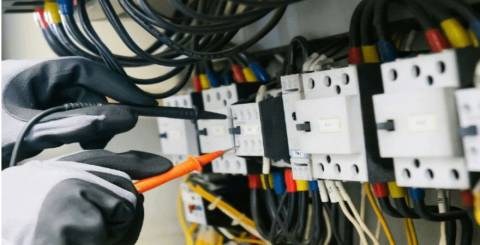
The first time you walk through an older home, it's easy to fall for it. The crown molding, the creaky hardwood, the built-in bookshelf someone clearly loved. Nobody falls for the breaker panel in the basement, and that's exactly where trouble likes to hide.
Picture a couple touring a 1960s ranch house they adore. The inspection report is mostly clean, except for one line recommending "evaluation by a licensed electrician." They almost skip it. When they finally call, the electrician finds a panel brand known for breakers that don't trip, aluminum wiring in half the house, and a basement junction box wrapped in electrical tape. Because they learned this before closing, the sellers paid for most of the repairs.
That couple is made up, but every problem they found is common in houses of that age. Here are the five areas worth a close look before you buy an older home.
1. The Electrical Panel
Start with the metal box on the wall. An electrician will check its age, its capacity, and who made it.
Plenty of older homes still run on 100-amp service. That was generous in 1965. Add central air, an EV charger and a heat pump, and 100 amps gets tight fast. Upgrades aren't cheap, so it's better to know before you make an offer.
Brand matters too. Federal Pacific Electric and Zinsco panels keep showing up in inspection reports because some of their breakers have a history of not tripping when they should. Warning signs you can spot yourself include a warm panel cover, scorch marks, rust, or old screw-in fuses.
2. The Wiring Type
You can't see most of the wiring, which is why buyers forget about it. The year the house was built is a decent hint.
Homes built from about 1965 to the early 1970s sometimes have aluminum branch wiring, a cheaper stand-in for copper at the time. The weak spots are the connections. The U.S. Consumer Product Safety Commission found that homes with pre-1972 aluminum wiring are 55 times more likely to have connections reach fire hazard conditions than homes wired with copper.
Go back to houses built before the 1940s and you may find knob-and-tube wiring. It's now close to a century old, the insulation turns brittle, and there's no ground wire. Some insurers won't cover an older home that still depends on it, which can stall a closing in a hurry.
3. Grounding and Outlets
Two-prong outlets mean the circuit has no ground path, so a fault has nowhere safe to go and your electronics get no protection.
Three-prong outlets don't always mean the problem is solved. A common shortcut is installing them on circuits that still have no ground. They look modern, but they aren't. Where rewiring isn't practical, GFCI protection is the accepted fix.
GFCI outlets also belong wherever water and power meet: kitchens, bathrooms, laundry rooms, garages and outdoor walls. Many older houses are missing some of them.
4. The Service Mast and Meter
Step outside and look where the power line meets the house. The pipe running up the wall is the service mast, and the box below it holds the meter.
Years of sun, rain and ice take a toll. Look for frayed service wires, a leaning mast, or a rusted meter base. In many areas the utility owns the lines up to the connection point, while the homeowner is responsible for the mast, the service entrance cable and the meter base. If it needs work after you close, the bill will probably be yours.
5. Past DIY Work
An older home has usually passed through many owners, and a few of them were weekend electricians.
Typical finds include junction boxes buried behind drywall, overcrowded boxes, open splices, undersized wire, and breakers rated higher than the wire they protect. Extension cords stapled along baseboards as permanent wiring turn up more often than you'd think.
None of this is cosmetic. A U.S. Fire Administration report estimated about 24,000 residential electrical fires a year from 2014 to 2016, causing roughly 310 deaths and $871 million in property loss annually. A sloppy splice inside a wall never makes it into the listing photos.
Bring in an Electrician Before You Sign
A home inspector covers a lot of ground, but an electrical review is its own job. Before closing, have an experienced, licensed residential electrician go through these five areas and give you a written summary with rough repair costs.
If problems turn up, you're in a good position. You can ask the seller to handle repairs, push for a credit, or negotiate a lower price. Or you can walk away from an expensive mistake. Either way, you'll know what's behind the walls before your name is on the deed.
Similar Articles
Discover what really happens when you recycle an ink cartridge — from sorting and remanufacturing to material recovery and environmental impact.

Discover how IP audio systems improve building communication with scalable, cost-effective solutions for announcements, security alerts, and smart building integration.

Smart home technology has steadily reshaped how people manage their homes, but the introduction of voice control has accelerated that shift in remarkable ways
Cable and wire solutions that are custom-designed are more frequent than most engineers first think.
Finding the ideal RF/microwave cable assembly can be daunting due to the wide variety of available products and the numerous aspects of each
When it comes to high-performance materials for various industrial applications, PTFE (Polytetrafluoroethylene) stands out as a top choice

More than an inconvenience, power cuts compromise work, comfort, and even safety at home. The solution? Buy a much-needed power backup device - an inverter!

Equipment like telescopes, satellites, and various industrial solutions are more sensitive to electrical interferences now, more than ever. In case of a power generator, telecommunication systems, or sophisticated manufacturing facilities, monitoring the direct current parameters is of utmost importance

Discover how to source high-quality, affordable LED downlights for commercial projects. Learn key factors like supplier reliability, customization, and cost-efficiency.