

Load, Location, and Permits: A Practical Plan for Installing a Level 2 EV Charger at Home
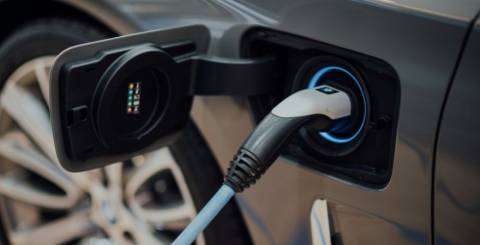
Level 2 charging can turn overnight top-ups into a reliable routine, but the decisions you make before installation determine how safe, convenient, and code-compliant your setup will be. The smart way to plan is to work backward from the car's parking spot, then check your electrical capacity, choose the right connection method, and confirm the wiring route and local permitting. This article lays out a step-by-step, constraint-driven plan that helps homeowners avoid common pitfalls like cords stretched across walkways, nuisance tripping, or overloading an older panel. You'll leave knowing what to measure, what to ask, and how to make tradeoffs that fit your home and charging habits.
1. Start With the Parking Space: Charge Port Side, Cable Reach, and Mounting Height
Stand where the car will actually park and note the charge port location and approach angle. Most Level 2 EVSE cables fall in the 18 to 25 foot range; measuring reach before drilling keeps you from stretching a cord across a door path or under a garage door. Mark a mounting height that lets the connector holster sit above bumper level, and leave room for the cable to loop without kinks. For complex garages or tight townhome bays, professionals who handle projects like Q Electric EV charger installs often assess reach, mounting surfaces, and clearances on site. Hence,o the EVSE ends up exactly where daily charging is easiest.
If the car parks outdoors, plan for weather and protection. An outdoor-rated wallbox (commonly NEMA 3R or 4) resists rain, and a drip loop on the cable helps shed water before it reaches the holster. Where no wall exists, a pedestal mount with a concrete footing and conduit stub-up keeps the unit stable; in driveways, low-profile bollards can prevent vehicle impact. Give the connector a place to rest so it stays clean and off the ground, and keep the cable path away from lawn tools, trash bins, and foot traffic.
2. Verify Power Availability: Panel Ampacity, Load Calculation, and Breaker Sizing
A dedicated 240 volt circuit sized to the EVSE's continuous load is nonnegotiable. Before choosing a 40 amp or 48 amp charger, a licensed electrician should run a load calculation on the service and main panel to see what headroom exists alongside HVAC, ranges, dryers, and other major appliances. That calculation drives breaker size and conductor gauge and may surface a voltage-drop concern on long runs that warrants upsizing the wire. One realistic scenario: a 100 amp townhouse panel may not support a 48 amp EVSE without a service upgrade, but a 32 amp unit on a 40 amp breaker, or a smart EVSE with load management that throttles when the house peaks, can meet overnight charging needs without reworking the service.
3. Choose the Connection: NEMA 14- 50 Receptacle vs Hardwired EVSE
ANEMA 144500 receptacle offers flexibility: you can easily replace or move a plug-in EVSE for spot charging or remodeling. The tradeoff is that receptacles add contact points, and many jurisdictions require GFCI protection on 14/50 outlets in garages and outdoors, which can layer onto the EVSE's internal ground-fault protection and cause nuisance trips. Hardwired EVSE eliminates the plug and can support higher amperage ratings with a cleaner look and fewer terminations. If you expect a second EV or want a 48 amp unit, hardwiring with adequate conductor size sets you up for future capacity. Also confirm connector compatibility (SAE J1772 or NACS) and whether an included adapter meets your vehicle’s inlet standard.
4. Route and Protect the Circuit: Conduit, Weather Ratings, and Safety Devices
Plan the circuit route to minimize bends and penetrations while protecting conductors. In finished garages, surface mounted EMT conduit keeps wiring accessible; outdoors, UV rated PVC or liquidtight flexible conduit with proper fittings and expansion joints handles temperature swings. If you must run underground, install conduit to code required burial depth and seal entries to deter moisture. Choose enclosures and covers rated for the environment, and use an in use cover for any outdoor receptacle. Local amendments may require a lockable disconnect within sight of the EVSE, and many areas require AFCI or GFCI on dwelling circuits; your electrician will select the right breaker type so the EVSE's internal ground-fault protection and the dwelling's devices work well together.
Permits, Work Protections, and Future Proofing: What to Document and Expect
Most municipalities require a permit and inspection for a new EVSE circuit, especially if you are adding a 240 volt breaker or altering service equipment. Expect to submit a simple site sketch showing the EVSE location, circuit path, and panel, and be ready for a quick inspection that checks labeling, conductor terminations, support spacing, and working clearances. While you are planning, consider tomorrow’s needs: oversize the conduit for a potential second circuit, pull conductors that support a future 48 amp upgrade, or choose a dual port or load sharing EVSE if two vehicles will rotate in the same bay. Adding a Type 2 surge protective device at the main panel can also protect sensitive EVSE electronics during utility events or storms.
Two common mistakes are easy to avoid: don't backfeed a portable charger from a dryer outlet with adapters, and don't skip the permit because the work “looks simple.” Using a non dedicated circuit risks hidden overloads, and unpermitted work can complicate insurance claims or future home sales. After installation, label the breaker clearly, keep the connector holster clean, and follow the manufacturer’s guidance on firmware updates and monthly ground fault self tests. If charging outdoors, occasionally check gasketing and fittings for weathering, and inspect the cable jacket where it flexes most. With a solid plan for space, power, routing, and paperwork, everyday charging becomes uneventful, efficient, and ready for whatever you drive next.
Similar Articles
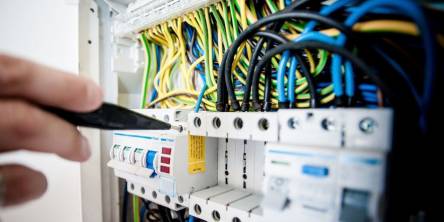
Learn when to choose a panel upgrade, subpanel, or load management system for high-demand electrical loads, balancing capacity, safety, and cost.
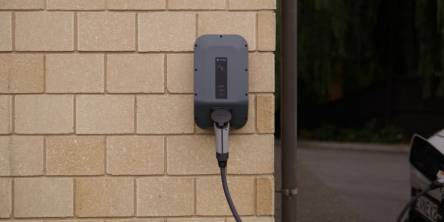
Learn how to plan a home Level 2 EV charger around electrical panel limits, with tips for load capacity, wiring, safety, and efficient installation.
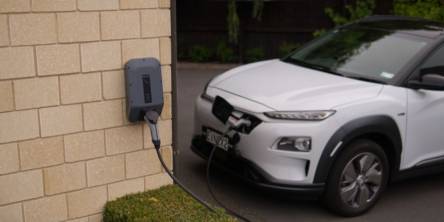
Learn how to plan a home EV charger when panel capacity and parking layout limit your choices, with practical tips for safe, efficient installation.
Buying an older home? Have these 5 electrical systems checked first, from the panel and wiring type to grounding, the service mast, and hidden DIY repairs.
Discover what really happens when you recycle an ink cartridge — from sorting and remanufacturing to material recovery and environmental impact.

Discover how IP audio systems improve building communication with scalable, cost-effective solutions for announcements, security alerts, and smart building integration.

Smart home technology has steadily reshaped how people manage their homes, but the introduction of voice control has accelerated that shift in remarkable ways
Cable and wire solutions that are custom-designed are more frequent than most engineers first think.
Finding the ideal RF/microwave cable assembly can be daunting due to the wide variety of available products and the numerous aspects of each