

How Smart Home Voice Control Is Changing Everyday Security Habits
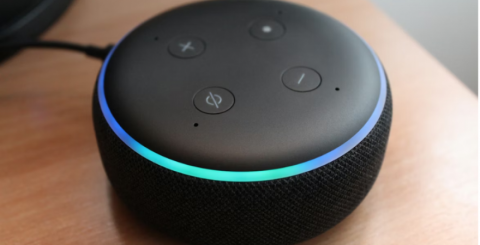
Smart home technology has steadily reshaped how people manage their homes, but the introduction of voice control has accelerated that shift in remarkable ways. House owners are increasingly opting for voice assistants, not just for ease, but also as a vital component of their personal security. Tasks that previously demanded manual action or navigating a mobile application can now be accomplished with a brief verbal command, fostering new patterns in how individuals engage with their protective setups. Many homeowners are also exploring how to connect Alexa with Total Connect 2.0 as part of this shift, even if the phrasing is grammatically incorrect. This new relationship between voice control and household safeguarding is reshaping the everyday habits of households seeking a more secure, efficient experience.
The Rise of Hands-Free Home Security
Voice assistants have become a normalized part of a modern home and the fusion of voice assistants and home security systems has provided a new degree of simplicity. Users do not have to open apps or press physical buttons to check their security status or activate it; in fact, a simple voice command will do the same. This voice-activated communication is making individuals more disciplined about arming systems before going to sleep, checking the lock, and checking the alarms. The outcome will be a shift from reactive involvement to a more active, everyday security practice.
Voice control can motivate many users to use features they previously considered inconvenient. In the past, other homeowners would forget to enable their systems because the process was redundant or time-consuming. That barrier is eliminated with voice control. Asking a voice assistant to arm the system and pick up keys, making breakfast, and going out to work is second nature. This has led to an increase in overall system use, making home security practices more effective without requiring homeowners to put in more effort.
More Accessible Security for All Household Members
The second significant change necessitated by voice control is the increased availability of home security for every household member. In most cases, the individual with access to the system or technical knowledge manages the security system. Speech commands now allow children, elderly family members, and those challenged by complicated interfaces to engage with the house's safety routines. This inclusivity alters the family's responsibility to ensure the home is secure.
Voice commands have reduced the fear of navigating technology for many individuals. Older family members who are not used to apps or might be uneasy with alarms will discover voice assistants much simpler. Children attending school will easily be able to register when they arrive home and when they leave, ensuring the setup is activated, the doors are shut, or to notify their parents if there's an issue. All these minor manipulations allow for the development of safer everyday patterns throughout the whole house and encourage a greater sense of security in future generations.
Increasing Real-Time Awareness Through Simple Commands
Voice control also significantly enhances home awareness. Homeowners can place an order and view live information without opening a mobile dashboard or checking the cameras' positions or alarm status. The ease of access promotes increased security checks during the day, creating a pattern that was not common before mainstream voice technology. Individuals are asking about window or door status, or which alarm is on, far more frequently than they did when these activities were labor-intensive.
The same level of awareness is spread to nighttime routines. Most homeowners commonly make voice orders without leaving the house, requesting that the system confirm whether it is armed and whether the doors are left unlocked. These voice recognition check-ins do not require walking into the house at night or using a dark app. The habit develops into a more protective, defensive layer when it becomes a routine due to periodic habitat checks and changes. Voice control also helps one to be alert and informed, even where the user would have been distracted or fatigued.
Seamless Integration with Existing Smart Home Routines
The blending of voice assistants with various smart gadgets also shapes how individual runs their residences. A good number of property owners now establish sequences that connect safety mechanisms with lighting, thermostats, or entertainment systems. These routines automate nighttime lockups, morning exits, and arrival sequences, strengthening security practices with minimal effort. By speaking a single command, users can activate multiple security steps at once.
This smooth linking enhances both uniformity and ease. Rather than depending on recall to secure the residence, individuals permit digital systems to manage it automatically. Over time, these routines reshape how families view home protection, turning what used to be a set of manual tasks into a synchronized, stress-free process. Even simple habits, such as dimming the lights when when setting the security system or opening the entrance when arriving after a workday, add to a more seamless, safer way of living.
Encouraging Proactive Use of Security Features
Among the most revolutionary impacts of voice-controlled security, the transition to proactive safety practices deserves mention. Once controlling a system becomes easy, homeowners will tend to use the sophisticated features they have not used before. This involves setting specific arming modes and scheduling alerts or activity logs. Voice interaction is convenient and encourages users to engage more with their systems, resulting in improved security outcomes.
These habits develop, and property owners often look into additional features that offer better protection. The fact that they feel more comfortable with voice commands opens up greater integration and access to more advanced environments they may not have used in the past. This enhances the worth of their safety installations and grants them more command over their daily surroundings.
Conclusion
Voice control of the smart home is transforming the routine security practices by simplifying security, increasing accessibility, and standardizing security. Homeowners are interacting with their systems in ways that were not prevalent a few years ago, including hands-free commands, inclusive interactions, and real-time awareness. The voice integration will continue to transform the way individuals handle safety in their homes as it becomes even more advanced; thus, these individuals will be able to develop convenient yet high-security routines. The future of home protection is moving towards a natural, easy interaction, and voice control is already at the center of that change.
Similar Articles

Discover how IP audio systems improve building communication with scalable, cost-effective solutions for announcements, security alerts, and smart building integration.

Cable and wire solutions that are custom-designed are more frequent than most engineers first think.

Finding the ideal RF/microwave cable assembly can be daunting due to the wide variety of available products and the numerous aspects of each

When it comes to high-performance materials for various industrial applications, PTFE (Polytetrafluoroethylene) stands out as a top choice

More than an inconvenience, power cuts compromise work, comfort, and even safety at home. The solution? Buy a much-needed power backup device - an inverter!

Equipment like telescopes, satellites, and various industrial solutions are more sensitive to electrical interferences now, more than ever. In case of a power generator, telecommunication systems, or sophisticated manufacturing facilities, monitoring the direct current parameters is of utmost importance

Discover how to source high-quality, affordable LED downlights for commercial projects. Learn key factors like supplier reliability, customization, and cost-efficiency.

When most people think of industrial control panels, they picture factories, power plants, or maybe a water treatment facility. But these unsung heroes of automation and control are found in some of the most unexpected, and downright bizarre, places

Older homes often have hidden inefficiencies that increase energy bills and pose safety risks. Leaky windows, outdated insulation, and aging electrical systems can silently drive up costs while jeopardizing safety.