

Panel Upgrade, Subpanel, or Load Management? How to Decide When Adding High-Demand Electrical Loads

Adding a Level 2 EV charger, converting to an induction range, finishing a basement, or replacing a furnace with a heat pump can push a home's electrical system to its limits. Homeowners often look at their breaker panel, see few or no open spaces, and assume a full upgrade is the only answer. Sometimes it is. Other times, a subpanel or a load management device safely solves the problem without replacing the entire service. This article explains how to evaluate capacity, where each option fits, and which safety details and code realities can change the decision.
1. Start With a Real Load Calculation, Not the Number of Empty Slots
Open breaker spaces don't equal available capacity, and a full panel doesn't prove the system is overloaded. A proper load calculation tallies existing 240 volt appliances (dryer, water heater, range), heating or cooling equipment, general lighting loads, and any proposed additions like an EVSE or heat pump. It applies demand factors that reflect real-world usage rather than simply adding nameplate amperage. The result is compared with the main breaker rating and bus rating, commonly 100, 125, 150, or 200 amps in older and newer homes.
If the calculation shows your service is marginal today or will be after you add an EVSE or heat pump, a full DT Electric electrical panel upgrade may be the cleanest path. If the math shows adequate headroom but the panel is out of spaces, a subpanel or smarter circuit allocation might be enough. Either way, the calculation cuts guesswork and keeps you from choosing an expensive fix that doesn't address the real constraint.
2. When a Subpanel Solves the Problem
A subpanel adds breaker spaces without changing the service amperage. An electrician installs a feeder breaker in the main panel, runs properly sized feeder conductors, and mounts a new load center where circuits are needed. For a kitchen expansion or basement finish, a 60- to 100-amp subpanel near the work reduces long wire runs and frees space in the main. In attached garages, a subpanel can group EV charging circuits, workshop receptacles, and lighting in one accessible spot with clear working space.
Subpanels must be wired with separate neutral and ground bars; remove the bonding screw or strap so neutrals and equipment grounds remain isolated. The feeder must be sized to breaker rating and distance, and the main panel must accept the feeder breaker type and position. This option shines when the main service is rated high enough, but breaker space is the bottleneck, or when a remodel clusters new loads in one area.
3. Signs You Need a Full Service and Panel Upgrade
Some conditions point toward replacing the service equipment rather than adding boxes. A 60 amp or older 100 amp service often struggles when a home goes all electric with a heat pump, induction cooking, and a 40 to 50 amp EVSE. Frequent main breaker trips, undersized service conductors, a meter socket in poor condition, or an outdoor service mast that does not meet current clearances are cues that the entire service entrance, meter base, and panel should be modernized together.
A full upgrade typically involves coordinating with the utility to disconnect and reconnect power, replacing the panel and main disconnect, verifying grounding and bonding with a proper grounding electrode conductor to a Ufer or ground rods, and installing a surge protective device. In some municipalities, the utility-side service drop or lateral also needs attention to match a new 200-amp service. While this is the most disruptive option, it resolves systemic limitations and creates capacity for future projects like an ADU or electric water heater.
4. Load Management as a Middle Path
When the calculation is close and the utility lead time for a service upgrade is long, load management devices can keep projects moving. EV energy management systems monitor a home's total draw and automatically throttle or pause car charging when the main approaches its limit. Priority control relays can let an EVSE and electric dryer share one 240-volt circuit so only one runs at a time. Some smart panels manage multiple large appliances by briefly shedding lower-priority loads during peaks.
The tradeoff with load management is behavioral and technical: you gain capacity without new amperage, but you accept occasional pauses in charging or cycling of noncritical loads. Utility acceptance and code compliance vary by jurisdiction, and equipment must be listed for the intended use. For many townhomes or condos with 100 to 125 amp services, these systems support a 32 to 40 amp EVSE and induction cooking today while preserving the option to upgrade service later.
5. Safety and Inspection Details That Affect the Decision
Modern protection requirements change panel space and breaker choices. Many living-area circuits now require AFCI, and kitchens, laundry areas, and bathrooms require GFCI; combination AFCI/GFCI breakers can take up more space and generate more heat than standard breakers. Panels not listed for tandem breakers should not be "cheated" with twins or double-lugged neutrals. Using the wrong breaker family for a given bus design can create loose connections and nuisance tripping.
Subpanel neutrals must remain isolated from grounds, with the bonding screw removed and a separate equipment grounding conductor run with the feeder. Clearly label circuits, torque lugs to the manufacturer's specification, and maintain 36 inches of working clearance in front of equipment to help ensure a smooth inspection. These details may tip the scale: for example, a crowded, unlisted panel that cannot accept required AFCI/GFCI breakers is a poor candidate for more circuits and a better candidate for replacement.
6. Two Real World Scenarios
A 1960s ranch has a 100-amp main breaker, gas heat, an electric dryer, and plans for a 40-amp EVSE and a heat pump water heater. The load calculation shows peak demand nearing the 100-amp limit in winter. Although a subpanel could add spaces, the service amperage is the constraint. A coordinated service and panel upgrade to 200 amps, with new service conductors and meter socket, addresses the winter peak and leaves room for a future induction range.
A townhome with a 125-amp panel has no spare spaces but an acceptable load calculation after adding a 32-amp EVSE and an induction cooktop. Here, a garage subpanel fed with a 60-amp breaker solves the space issue, or a listed EV load-sharing device lets the EVSE share with the electric dryer. Because the service is adequate and the panel bus is in good condition, a full upgrade is not necessary.
How to Make the Call With Confidence
Document existing large loads and proposed additions, then get a proper load calculation. Confirm the panel's bus rating, main breaker size, and whether the enclosure is listed for tandem breakers. Check the condition of the meter socket, service conductors, grounding electrode system, and clearances. Weigh the tradeoffs: subpanel simplicity versus full service capacity, and the convenience of uninterrupted use versus smart load shedding during peaks. Plan for future electrification so today's decision doesn't box you in.
The right answer emerges when math meets practical constraints. If the calculation and equipment condition point to a full upgrade, you gain headroom and modern protection. If service capacity is fine, a well-placed subpanel or a listed load management device can safely deliver the circuits you need now. Either way, careful documentation, code-compliant hardware, and clean workmanship set you up for safe, reliable power as your home electrifies.
Similar Articles
Learn how to plan a home Level 2 EV charger around electrical panel limits, with tips for load capacity, wiring, safety, and efficient installation.
Learn how to plan a home EV charger when panel capacity and parking layout limit your choices, with practical tips for safe, efficient installation.
Buying an older home? Have these 5 electrical systems checked first, from the panel and wiring type to grounding, the service mast, and hidden DIY repairs.
Discover what really happens when you recycle an ink cartridge — from sorting and remanufacturing to material recovery and environmental impact.
Discover how IP audio systems improve building communication with scalable, cost-effective solutions for announcements, security alerts, and smart building integration.

Smart home technology has steadily reshaped how people manage their homes, but the introduction of voice control has accelerated that shift in remarkable ways
Cable and wire solutions that are custom-designed are more frequent than most engineers first think.
Finding the ideal RF/microwave cable assembly can be daunting due to the wide variety of available products and the numerous aspects of each
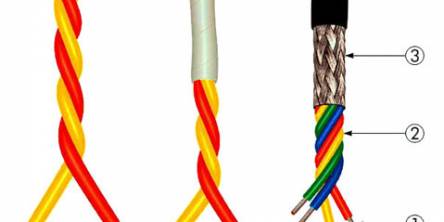
When it comes to high-performance materials for various industrial applications, PTFE (Polytetrafluoroethylene) stands out as a top choice