

Planning a Home Level 2 EV Charger Around Your Electrical Panel Limits
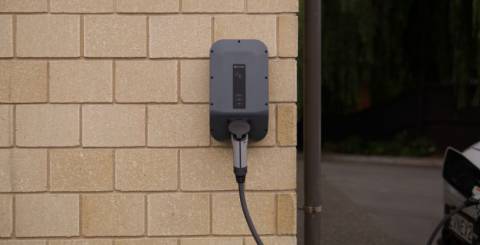
Most EV owners want to plug in at home and wake up to a full battery. A Level 2 charger can make that routine easy, but the smoothest installations start by matching the charger's amperage and location to what your electrical system can safely support. Panel capacity, breaker sizing, wire length, conduit path, and even where your vehicle's charge port sits all affect performance and cost. This article walks through a practical way to plan a 240-volt Level 2 setup that fits your household, avoids nuisance tripping, and stays aligned with local code requirements most jurisdictions adopt from the National Electrical Code.
1. Set a Realistic Charging Target and Confirm Connector Compatibility
Begin with how much range you actually need to add overnight. Level 1 charging on a 120-volt outlet can work for light driving, but consistent commuting usually benefits from Level 2 on a dedicated 240-volt circuit. Many wallboxes are rated 32 to 48 amps; higher amperage adds miles faster but requires a larger breaker and thicker conductors. Also confirm connector compatibility. Most non-Tesla vehicles use the J1772 standard, while many newer models and adapters support NACS; some chargers come with fixed cables and interchangeable adapters, which can simplify mixed EV households.
If you prefer a professional to handle site evaluation and permitting, a licensed electrician can help you match charger size and placement to your home's wiring and parking layout. Services like Reliant Electric EV charger installation can include evaluating circuit capacity, routing, and mounting details before ordering anything.
2. Check Panel Capacity and Plan for Simultaneous Loads
Next, look at your main service rating and how your home uses power during peak times. The number on the main breaker (often 100, 150, or 200 amps) doesn't match available headroom. Electric ranges, dryers, heat pumps, and water heaters can run while your EV charges. A load calculation based on appliance ratings and typical use helps determine whether a 40-amp circuit for a 32-amp EVSE is practical without frequent breaker trips. Skipping this step is a common mistake that leads to nuisance tripping when the oven and dryer run while the car is charging.
If the panel is tight, you still have options. Many chargers allow software-based current limiting so that a 48-amp unit can be configured to 32 amps. Some EVSEs offer load sharing, letting two chargers dynamically divide a single circuit's current. In homes with 100-amp service, those features can defer a costly service upgrade. In contrast, if you already have 200-amp service and limited simultaneous loads, a higher-output, hardwired wallbox may make sense for multi-car households or vehicles with larger onboard chargers.
3. Pick Between a NEMA 14- 50 Receptacle and a Hardwired Wallbox
Many homeowners compare a NEMA 14-50 receptacle with a hardwired EVSE. A NEMA 14-50 gives flexibility: you can use a portable charger and unplug it for travel or future changes. It typically pairs with a 50-amp breaker and a 40-amp maximum continuous charge rate. However, garage receptacles often require GFCI protection, and EVSEs have built-in ground-fault protection. Doubling up protective devices can cause nuisance trips in some configurations. Always verify local requirements and the charger's listing to avoid incompatible protection layers.
A hardwired unit is designed as a permanent appliance. It eliminates plug heat, often supports higher output like 48 amps on a 60-amp breaker, and streamlines weatherproofing for outdoor locations with NEMA 3R or 4 enclosures. The tradeoff is reduced portability and potentially higher upfront labor if the cable run is long. If you plan to charge two vehicles, a pair of hardwired EVSEs with load sharing can be cleaner than multiple receptacles, and it reduces the chance of worn plug blades over time.
4. Design the Circuit: Breaker Size, Conductor Gauge, and Routing
Once you know the target amperage, pick the breaker and conductor size that match both the load and the distance. EV charging is a continuous load, so size circuits at 125 percent of the charger's rating. For example, a 32-amp EVSE typically uses a 40-amp breaker, and many installations use 8 AWG copper conductors for moderate runs. Long runs to detached garages may require thicker wire, like 6 AWG copper, to reduce voltage drop that would otherwise slow charging and heat conductors. Aluminum feeders can make sense for long subpanel runs, but branch circuit wiring to the EVSE is commonly copper for flexibility and termination strength.
Plan the path with practical routing. Indoors, EMT or flexible metal conduit can protect conductors neatly along a garage wall. Outdoors, PVC conduit with proper expansion fittings and buried runs at code-compliant depth protect the cable to a pedestal or exterior wallbox. Select a charger enclosure rated for the location, such as NEMA 3R for wet locations or NEMA 4 for harsher exposure. Poor routing that forces tight bends, long detours, or undersized conduit makes pulling wire difficult, risks insulation damage, and can produce an untidy install that is harder to service later.
Place the Charger for Cable Reach, Safety, and Daily Convenience
Mount the EVSE where the vehicle's charge port naturally lands. Many cables are 18 to 25 feet long; centering the unit between two potential parking spots can let you reach the port without stretching the cord under tires. Typical mounting height keeps the handle easy to grab without dragging on the floor. Add cable management hooks to prevent strain on the connector and reduce trip hazards. In busy garages, wheel stops or a short bollard can protect the unit from bumper taps. Outdoors, provide shade when possible and avoid splash zones from roof runoff to reduce seal wear.
Think through real scenarios. In a townhouse with a 100 amp panel and a garage laundry, a 32 amp wallbox on a 40 amp circuit, current limited in software during winter evenings, can charge overnight reliably without tripping when the dryer runs. For a detached garage, trenching PVC conduit to a small subpanel allows future lighting or a second EVSE without reopening the yard. After installation, commission the charger's app, update the firmware, and set schedules to align with time-of-use rates if your utility offers them. Every few months, check the cord for nicks, verify the connector seats cleanly, and test the ground fault function per the manufacturer's instructions.
When you plan a Level 2 charger around your actual driving pattern, panel capacity, and the path to a sensible mounting spot, the result feels effortless: a reliable overnight charge with minimal surprises on your utility bill. Start by confirming load headroom, choose between a receptacle or hardwired unit based on flexibility and output, and size conductors for the run you have, not the run you wish you had. A licensed electrician can help you interpret code, secure permits, and leave room for a second EV. Thoughtful choices now make daily charging a simple plug-in-and-walk-away routine.
Similar Articles
Learn when to choose a panel upgrade, subpanel, or load management system for high-demand electrical loads, balancing capacity, safety, and cost.
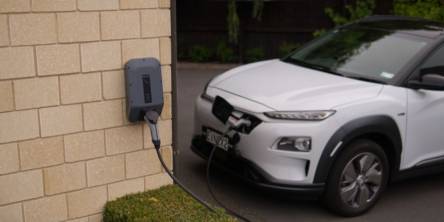
Learn how to plan a home EV charger when panel capacity and parking layout limit your choices, with practical tips for safe, efficient installation.
Buying an older home? Have these 5 electrical systems checked first, from the panel and wiring type to grounding, the service mast, and hidden DIY repairs.
Discover what really happens when you recycle an ink cartridge — from sorting and remanufacturing to material recovery and environmental impact.

Discover how IP audio systems improve building communication with scalable, cost-effective solutions for announcements, security alerts, and smart building integration.

Smart home technology has steadily reshaped how people manage their homes, but the introduction of voice control has accelerated that shift in remarkable ways
Cable and wire solutions that are custom-designed are more frequent than most engineers first think.
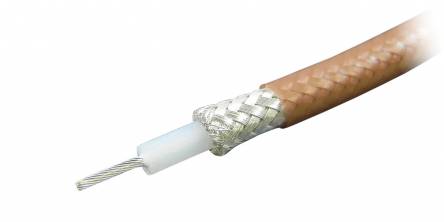
Finding the ideal RF/microwave cable assembly can be daunting due to the wide variety of available products and the numerous aspects of each
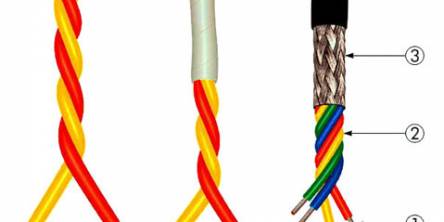
When it comes to high-performance materials for various industrial applications, PTFE (Polytetrafluoroethylene) stands out as a top choice