

Planning a Leather Sleeper Sofa for Daily Lounging and Overnight Guests
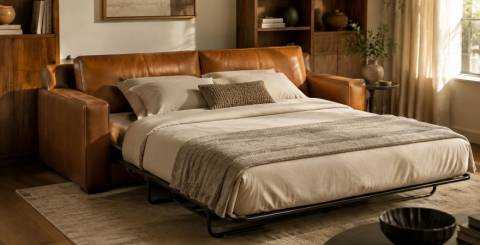
A sleeper sofa often has to satisfy two audiences. The household wants comfortable seating every day, while an overnight guest needs a stable place to rest without feeling like a temporary inconvenience.
The strongest plan starts with frequency. A bed used twice a year can accept more setup than one used every weekend, but both versions need enough space, clear controls, and a surface that suits the sleeper.
A top-grain leather sleeper sofa with stepless power adjustment offers a useful example: its wide, deep seats move between sitting and lying positions, while memory foam, springs, and a solid wood frame support the cushion system. The design also shows how material care and mechanical function must be planned together.
Decide Which Role Comes First
List how many nights per month someone is likely to sleep on the sofa. Then list how many hours per day the household will sit, read, watch television, or work there. These two numbers reveal which role deserves the most weight.
Daily seating usually calls for supportive back cushions, reachable controls, and a position that lets feet rest naturally. Frequent sleeping adds another requirement: an extended surface long and even enough for the expected guest.
Measure the Sofa in Every Position
A powered sleeper changes its footprint. Record the closed depth, the fully extended depth, and the space needed for someone to walk around the open bed. Add clearance for side tables, cords, and the control area.
Mark both outlines on the floor with two colors of tape. Live with the markings through an evening. If the extended line blocks a doorway or the route to a bathroom, the problem will feel larger at midnight than it does during shopping.
Compare Continuous Cushions With Pull-Out Beds
Traditional pull-out sleepers often place a separate mattress over a folding frame. A power design may extend the seat itself, producing a continuous upholstered platform without removing a mattress from inside the sofa.
Neither format is automatically best. A separate mattress can be replaced, while a continuous cushion platform can reduce setup steps and metal-frame pressure points. Ask how the surface becomes flat, where gaps appear, and which parts support the sleeper's hips and shoulders.
Look Beyond the Leather Label
Top-grain leather keeps much of the hide's natural surface and can show variation in color and texture. Those variations are normal, so a perfectly uniform sample should not become the only standard used to judge the delivered piece.
Read the care guidance before deciding that leather is low maintenance. The referenced product recommends avoiding direct sunlight and chemicals, blotting spills with a soft cloth, and gently buffing light scratches. Place the sofa away from strong heat and sun when possible.
Test the Transition, Not Only the End Positions
A sofa may feel good upright and flat while passing through awkward intermediate angles. Stepless adjustment can help because the user can stop at a reading, movie, or nap position rather than choosing from a few fixed settings.
Operate the controls while seated. Check whether the button is easy to reach, whether clothing can catch near moving sections, and whether the extension remains clear of rugs and tables. Children and guests should receive a short explanation before using powered movement.
Check Support for Different Bodies
Memory foam can contour around the body, while springs and frame structure resist deeper compression. The useful question is not which material sounds more advanced, but how the entire cushion system behaves after a long sitting or sleeping period.
Ask a shorter and taller person to try the upright position if possible. The shorter user may need a lumbar pillow, while the taller user may value the extra-deep extension. Keep removable pillows available rather than forcing one fixed posture on everyone.
Plan the Guest Setup as a Small Routine
Store sheets, a light blanket, and a protective pad in one nearby cabinet or basket. The host should be able to prepare the bed without searching several rooms or moving heavy furniture after a guest is tired.
Write a two-minute setup order: clear the floor, extend the seat, add protection, make the surface, and place controls within reach. A repeatable routine makes the sleeper function more useful than a feature that is rarely practiced.
Protect the Upholstery During Sleep
Skin oils, hair products, and bedding friction affect leather differently from ordinary seated use. A breathable fitted layer or smooth mattress pad can reduce direct contact without trapping excessive heat against the surface.
Avoid rough fasteners, exposed zippers, and bedding with abrasive decoration. Remove grit before closing the sofa, and never fold damp linens into the seating area. These small habits protect both the leather and the moving components.
Plan Power and Delivery Early
A powered sleeper needs an outlet located where the cord will not cross a walkway. Do not assume an extension cord is the best permanent answer. Check the manufacturer's electrical guidance and keep the plug accessible for inspection.
Large powered sofas may arrive in several heavy cartons. Compare package sizes with doors, elevators, stairs, and tight turns, then arrange enough help or an appropriate delivery service. The final room plan is incomplete until the sofa can reach it safely.
Set a Clear Buying Rule
Choose a model only after it passes four tests: comfortable upright support, a usable sleeping length, safe movement through the room, and care requirements the household will follow. Style and leather color come after those functional checks.
The right sleeper does not need to imitate a dedicated bedroom every night. It needs to perform its daily seating job well and create a prepared, respectful rest space when someone stays over.
Run an Overnight Trial at Home
Use the sleeper yourself before offering it to a guest. Extend it fully, add the planned bedding, lie in several positions, and check temperature, edge support, surface gaps, and access to a light or outlet.
The test should last longer than a few minutes. A surface that feels comfortable at first can reveal pressure or heat after several hours.
Record what solved the issue, such as a thinner pillow or breathable pad, then store those items with the guest linens. This rehearsal also confirms that the powered mechanism and room clearances work when people are tired.
Similar Articles

In the residential decoration market, bathrooms are transitioning from simple functional spaces to living spaces that combine comfort, aesthetics, and practicality.

Modern office design influences productivity, employee wellbeing, recruitment, and business performance. Learn why companies are treating workplace design as a strategic investment rather than a finishing touch.
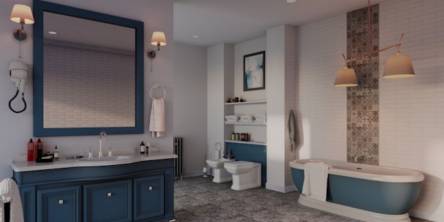
Discover 7 creative ideas to transform your bathroom into a farmhouse-style retreat with rustic charm, warmth, and timeless appeal.

Indoor plants have long earned their place in interior design—valued for the texture, color, and quiet calm they bring to a living space.
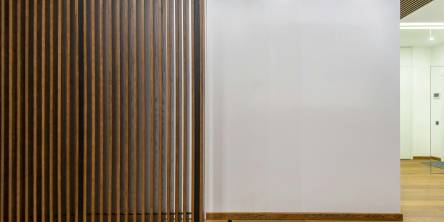
When it comes to enhancing the appearance of your interior walls, selecting the right material is crucial. Two popular choices are wood and MDF slat panels, each offering distinct features and benefits that make them suitable for various applications.
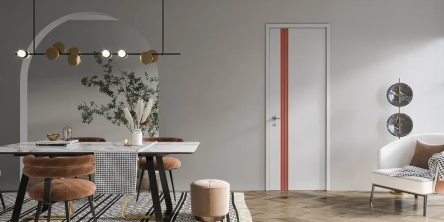
Interior door selection plays a crucial role in shaping the atmosphere and functionality of any living space. Today, interior doors are not just practical elements used to separate rooms

If you’ve spent any time looking at the high-end apartments popping up across Golf Course Road or near the Dwarka Expressway, you’ve likely noticed a massive shift in what "wealth" looks like.

Small office spaces are increasingly common, especially in busy cities where space is limited and rental costs are high. While compact offices can present challenges, they also offer an opportunity to create efficient, organised, and highly functional work environments.

Your home is more than just a space — it’s a reflection of your personality, your style, and how you live daily. But not everyone has the time, budget, or inclination to embark on a full renovation of their living space.