

Seasonal Affective Disorder (SAD) - Causes, Symptoms, Diet & Prevention

Abstract
Seasonal Affective Disorder (SAD) is a type of depression linked to seasonal changes, most commonly seen during the late fall and winter months when sunlight exposure decreases. It affects mood, energy levels, sleep, appetite, and overall emotional well-being. Though SAD is more frequently recorded in countries with long, dark winters, lifestyle stress, lack of sunlight exposure, and disturbed biological rhythm can cause similar symptoms in many regions around the world.
Understanding Seasonal Affective Disorder
SAD is often triggered by a drop in natural sunlight, which disrupts the body’s internal clock or circadian rhythm. Reduced sunlight affects serotonin—the neurotransmitter responsible for mood regulation—and increases melatonin production, which leads to excessive tiredness, lethargy, and mood instability. People with SAD often describe a persistent low mood, increased desire to sleep, reduced motivation, withdrawal from social interactions, and strong carbohydrate cravings.
Common symptoms may include
- Persistent sadness or low mood
- Low motivation and reduced interest in daily activities
- Oversleeping or difficulty waking
- Increased craving for sugary and starchy foods
- Weight gain due to overeating
- Tiredness and low energy throughout the day
- Irritability, anxiety, difficulty focusing
- Social withdrawal or desire to stay indoors
Early recognition and timely lifestyle correction can make a big difference in managing SAD naturally.
Diet for Managing Seasonal Affective Disorder
Nutrition plays a vital role in mental well-being. A balanced diet helps regulate hormones, improves gut health, stabilizes blood sugar, and enhances neurotransmitter activity.
Foods to Include
- Lean proteins - lentils, eggs, tofu, fish, and legumes help boost serotonin production.
- Omega-3 rich foods – walnuts, flaxseeds, chia seeds, and cold-water fish support brain health and reduce inflammation.
- Whole grains – oats, brown rice, and millets help maintain stable energy levels.
- Vitamin D rich foods – fortified dairy, mushrooms, egg yolks, and fatty fish are beneficial, especially in low sunlight seasons.
- Fresh seasonal fruits & vegetables – oranges, berries, spinach, carrots, beetroot, and broccoli supply antioxidants for mood balance.
- Nuts & Seeds – almonds, pumpkin seeds, and sunflower seeds support neurotransmitter activity.
Foods to Avoid or Limit
- Highly processed sugar & junk foods
- Excess caffeine and aerated drinks
- Deep-fried and heavy oily meals
- Alcohol consumption
- A warm, nourishing, fiber-rich, colourful meal pattern supports both gut and emotional health.
Home Remedies & Lifestyle Tips for SAD
1. Sunlight Exposure
- Spend at least 30–45 minutes outdoors daily, preferably during the morning. Sitting in natural light, walking barefoot on grass, or doing yoga outdoors uplifts mood instantly.
2. Light Therapy
- In regions with weak winter sunlight, light boxes or bright-light therapy lamps are extremely helpful. 20–40 minutes daily exposure can reduce symptoms significantly.
3. Regular Exercise
- Physical activity releases endorphins—natural mood enhancers. Even a 20-minute walk, cycling, dancing, yoga, or stretching boosts energy and lowers stress.
Maintain a Sleep Routine
- Go to bed at a fixed time and wake up early. Avoid excessive daytime sleep which worsens fatigue.
Mind-Body Techniques
- Meditation, deep breathing, mindfulness practice, chanting, journaling, and spending time with loved ones bring emotional balance.
Warm Herbal Tea Ritual
- Ginger–turmeric tea, cinnamon–cardamom tea, tulsi tea, or warm lemon honey water uplift mood and reduce sluggishness.
Herbs That Help Manage SAD
- Ayurveda and traditional herbal medicine offer effective herbs for mood balance, stress relief, and nervous system nourishment. Some beneficial herbs include
- Ashwagandha – Reduces anxiety, balances cortisol, and enhances energy.
- Brahmi (Bacopa monnieri) – Supports brain function, memory, and concentration.
- Jatamansi – Calms the nervous system and promotes better sleep.
- Shankhpushpi – Useful for stress, brain fog, and emotional imbalance.
- St. John’s Wort (Western herb) – Commonly used for depression-like symptoms (should be taken under supervision due to drug interactions).
- Turmeric – Reduces inflammation and supports neurotransmitter health due to curcumin presence.
- Tulsi & Ginger – Improve resilience, energy and fight fatigue in cold seasons.
- These herbs can be used in tea, powder, capsules or as herbal formulations after guidance from a qualified practitioner.
Prevention Tips for Seasonal Affective Disorder
- Start sunlight exposure early in winter months.
- Create a habit of daily exercise before symptoms worsen.
- Keep your home well-lit and ventilated.
- Spend more time in nature and socialize consciously.
- Practice meditation and grounding practices year-round.
- Maintain a healthy sleep-wake cycle and avoid screen overuse at night.
Conclusion
Seasonal Affective Disorder is not just “winter sadness”—it is a real mental health condition that requires attention, support, and mindful lifestyle adjustments. With proper diet, sunlight exposure, physical activity, herbs, and calming home remedies, SAD can be well-managed naturally. Listening to your body, staying socially active, cultivating positivity, and nurturing mental balance throughout the year can help prevent SAD and bring emotional stability and wellness even in low-sunlight seasons.
Similar Articles

A beautiful building tells you nothing about recovery outcomes. When you tour a Private Luxury Rehab in Los Angeles, comfort is often presented before clinical care, and families may pay a deposit before asking a single hard question.

Most advice about emotions assumes the hard part is identifying them.

Healthcare is built around people, but providing good care also depends on how well an organization manages the many tasks happening around each patient.
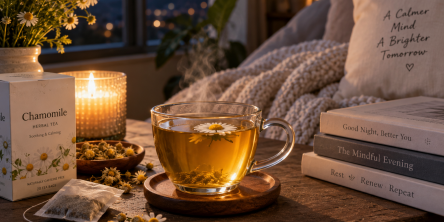
We live in an era where restorative rest is increasingly difficult to achieve. The relentless pace of contemporary work environments leaves little room for mental decompression.

Look up almost any doctor before an appointment, which is what the majority of patients now do, a

Endoscopy is a minimally invasive medical procedure that enables healthcare professionals to examine the internal organs and body cavities using a thin, flexible instrument called an endoscope.

Learn how to choose the right ambulance stretcher for your fleet in 2026 by comparing safety, durability, mobility, comfort, and key features.

Look at how people around you actually watch things. Captions on. Not in a noisy train carriage, not in a shared flat at midnight, but at home, alone, on a good television, by people whose hearing is fine.

Finding the right medical daycare involves more than choosing whichever center is closest to home.