

Endoscopy - Why It Is Done, Types, Benefits & Complications
Abstract
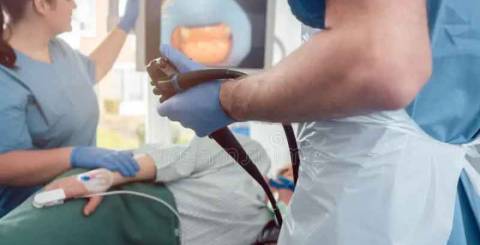
Endoscopy is a minimally invasive medical procedure that enables healthcare professionals to examine the internal organs and body cavities using a thin, flexible instrument called an endoscope. Equipped with a light source and a high-definition camera, an endoscope is introduced through a natural body opening, such as the mouth, nose, anus, urethra, or vagina, allowing physicians to visualize internal structures without the need for large surgical incisions. Besides diagnosis, endoscopy also plays an important therapeutic role by allowing tissue biopsy, removal of foreign bodies or polyps, treatment of bleeding, and management of various gastrointestinal, respiratory, urinary, gynecological, and joint disorders. Owing to its accuracy, safety, and quick recovery, endoscopy has become an indispensable tool in modern medicine.
What is Endoscopy?
Endoscopy is a diagnostic and therapeutic procedure that allows direct visualization of the inside of hollow organs and body cavities using an endoscope—a flexible tube fitted with a camera and light source. The live images are displayed on a monitor, enabling physicians to identify abnormalities such as inflammation, ulcers, bleeding, tumors, infections, blockages, or structural changes. Unlike conventional surgery, endoscopy requires little or no incision, making it a minimally invasive procedure with shorter recovery time and fewer complications. Depending on the organ being examined, specialized types of endoscopy are performed using different instruments and approaches.
Why is Endoscopy Important?
Endoscopy has revolutionized medical diagnosis and treatment by allowing physicians to directly inspect internal organs with remarkable precision.
Its major benefits include
- Early detection of diseases before complications develop.
- Accurate diagnosis of inflammation, ulcers, tumors, infections, and bleeding.
- Collection of tissue samples (biopsy) for laboratory examination.
- Removal of foreign bodies, polyps, or small growths.
- Treatment of bleeding lesions without open surgery.
- Assistance in placing stents or relieving obstructions.
- Reduced hospital stay and faster recovery compared to traditional surgery.
Because of these advantages, endoscopy is now routinely used across several medical specialties, including gastroenterology, pulmonology, urology, gynecology, orthopedics, and oncology.
Common Conditions Diagnosed by Endoscopy
Endoscopy is helpful in diagnosing numerous disorders affecting different organs, including:
- Gastroesophageal reflux disease (GERD)
- Gastritis and stomach ulcers
- Esophagitis and esophageal strictures
- Esophageal varices
- Inflammatory bowel disease (IBD)
- Crohn's disease and ulcerative colitis
- Colon polyps and colorectal cancer
- Irritable bowel syndrome (to exclude structural disease)
- Urinary tract abnormalities
- Kidney and ureteric stones
- Bladder tumors
- Uterine polyps and fibroids
- Airway infections and lung tumors
- Joint injuries and ligament tears
- Pancreatic, gallbladder, and lymph node abnormalities through endoscopic ultrasound
Types of Endoscopy
Different types of endoscopy are performed depending on the organ being examined.
1. Upper Gastrointestinal Endoscopy (Esophagogastroduodenoscopy – EGD)
During this procedure, the endoscope is passed through the mouth to examine the:
- Esophagus
- Stomach
- Duodenum
It helps diagnose conditions such as GERD, gastritis, stomach ulcers, esophageal ulcers, esophageal varices, strictures, bleeding, and upper gastrointestinal cancers.
2. Colonoscopy
A colonoscope is inserted through the anus to examine the rectum and large intestine.
It is commonly recommended for:
- Colorectal cancer screening
- Colon polyps
- Ulcerative colitis
- Crohn's disease
- Rectal bleeding
- Chronic diarrhea
- Unexplained abdominal pain
3. Hysteroscopy
Hysteroscopy involves passing a thin endoscope through the vagina and cervix into the uterus.
It is used to evaluate:
- Abnormal uterine bleeding
- Uterine polyps
- Fibroids
- Congenital uterine abnormalities
- Infertility
- Endometrial pathology
It can also assist in removing small uterine growths during the same procedure.
4. Cystoscopy and Ureteroscopy
These procedures examine the urinary system.
Cystoscopy evaluates
- Urethra
- Urinary bladder
Ureteroscopy examines
- Ureters
- Kidneys
They are useful for diagnosing urinary tract infections, urinary obstruction, bladder tumors, urethral strictures, kidney stones, ureteric stones, and unexplained blood in urine.
5. Bronchoscopy
Bronchoscopy allows examination of the:
- Larynx
- Trachea
- Bronchi
- Large airways
It helps diagnose infections, tumors, airway obstruction, chronic cough, unexplained bleeding, and lung diseases. Therapeutically, it can also remove foreign bodies and assist in airway stent placement.
6. Arthroscopy
Unlike other endoscopic procedures, arthroscopy is performed through a tiny skin incision to visualize joints using a specialized instrument called an arthroscope.
It is commonly used for:
- Ligament tears
- Meniscus injuries
- Cartilage damage
- Shoulder instability
- Rotator cuff tears
- Knee injuries
- Arthritis evaluation
7. Endoscopic Ultrasound (EUS)
Endoscopic ultrasound combines endoscopy with ultrasound imaging to visualize structures beyond the digestive tract lining.
It is particularly valuable for evaluating:
- Pancreas
- Gallbladder
- Liver
- Lymph nodes
- Stomach wall
- Esophagus
- Small intestine
- Pancreatic cysts and tumors
It also guides fine-needle biopsy of suspicious lesions.
Possible Risks and Complications
Endoscopy is generally considered a safe procedure when performed by trained specialists. However, as with any medical procedure, certain risks may occur, although they are uncommon.
Potential complications include
- Mild sore throat after upper GI endoscopy
- Temporary bloating after colonoscopy
- Minor bleeding, especially after biopsy or polyp removal
- Infection
- Allergic reaction to sedative medications
- Perforation of the examined organ (rare)
- Pancreatitis after specialized procedures such as ERCP
- Pneumothorax after bronchoscopy (rare)
- Urinary discomfort after cystoscopy
- Mild vaginal spotting following hysteroscopy
- Temporary joint swelling after arthroscopy
Patients should seek immediate medical attention if they develop severe abdominal pain, chest pain, persistent fever, heavy bleeding, difficulty breathing, or persistent vomiting following the procedure.
Approximate Cost of Endoscopy in India
The cost varies depending on the type of procedure, hospital, city, and whether additional interventions such as biopsy are required.
Approximate price ranges include:
- Upper GI Endoscopy: ₹4,000–₹8,000
- Colonoscopy: ₹5,000–₹10,000
- Bronchoscopy: ₹5,000–₹15,000
- Cystoscopy: ₹5,000–₹12,000
- Hysteroscopy: ₹8,000–₹15,000
- Laparoscopy (minimally invasive surgery): ₹10,000–₹50,000
Frequently Asked Questions
1. Is endoscopy safe?
Yes. Endoscopy is generally considered a safe, minimally invasive procedure when performed by experienced healthcare professionals. Most patients return home the same day after recovery from sedation.
2. Can I eat before an endoscopy?
Preparation depends on the type of endoscopy. For upper GI endoscopy and colonoscopy, patients are usually advised to fast for several hours before the procedure to ensure clear visualization. Your healthcare provider will provide specific preparation instructions.
3. How long does an endoscopy take?
Most diagnostic endoscopic procedures are completed within 20–45 minutes. Procedures involving biopsies or therapeutic interventions may take longer.
4. Is the procedure painful?
Most patients experience little to no pain. Depending on the type of endoscopy, local anesthesia, conscious sedation, or general anesthesia may be used to ensure comfort. Mild throat irritation, bloating, urinary discomfort, or temporary soreness may occur after the procedure but usually resolve within a short period.
Conclusion
Endoscopy has become one of the most valuable diagnostic and therapeutic tools in modern medicine. It allows physicians to examine internal organs with precision while avoiding the need for major surgery in many cases. From detecting gastrointestinal disorders and respiratory diseases to evaluating urinary, gynecological, and joint conditions, endoscopy plays a crucial role in early diagnosis, tissue sampling, and minimally invasive treatment. Although minor discomfort and rare complications may occur, the procedure is generally safe and offers significant benefits through early detection and timely medical intervention. Consulting a qualified healthcare professional can help determine the most appropriate type of endoscopy based on an individual's symptoms and medical condition.
Similar Articles
Learn what to do between shockwave therapy sessions, including managing soreness, adjusting activity levels, and tracking progress for better recovery.

A beautiful building tells you nothing about recovery outcomes. When you tour a Private Luxury Rehab in Los Angeles, comfort is often presented before clinical care, and families may pay a deposit before asking a single hard question.

Most advice about emotions assumes the hard part is identifying them.

Healthcare is built around people, but providing good care also depends on how well an organization manages the many tasks happening around each patient.

We live in an era where restorative rest is increasingly difficult to achieve. The relentless pace of contemporary work environments leaves little room for mental decompression.

Look up almost any doctor before an appointment, which is what the majority of patients now do, a
Learn how to choose the right ambulance stretcher for your fleet in 2026 by comparing safety, durability, mobility, comfort, and key features.

Look at how people around you actually watch things. Captions on. Not in a noisy train carriage, not in a shared flat at midnight, but at home, alone, on a good television, by people whose hearing is fine.

Finding the right medical daycare involves more than choosing whichever center is closest to home.